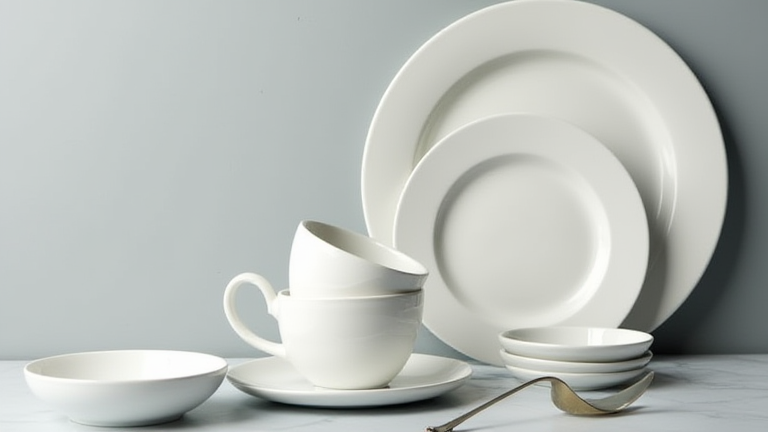
Is Porcelain Dinnerware Safe? Health Benefits & Myths Debunked
TL;DR: Yes, high-quality porcelain dinnerware is generally safe for daily use and does not leach harmful chemicals into food when intact. The primary health risk arises only if the glaze is cracked or damaged, potentially allowing trace amounts of lead or cadmium to migrate into meals.
For centuries, porcelain has been the gold standard for fine dining, celebrated for its elegance and durability. However, modern consumers are increasingly concerned about the chemical composition of their cookware and tableware. This article explores the science behind porcelain safety, separating factual risks from common misconceptions to help you make informed lifestyle choices for your home.
If you want to dig deeper, check out our guide on Premium Porcelain Dinnerware: 10 Best Sets for Elegant Dinin.
The Science of Porcelain Safety
Porcelain is a ceramic material made by heating a mixture of kaolin, feldspar, and quartz in a kiln at extremely high temperatures, typically between 1,200 and 1,400 degrees Celsius. This intense heat vitrifies the clay, creating a non-porous, glass-like surface. This structural integrity is crucial for safety because it prevents bacteria and food particles from penetrating the material, unlike porous earthenware or stoneware.
The safety of porcelain largely depends on the glaze applied to its surface. Modern, commercial porcelain produced in regulated countries like the United States, Europe, and Japan is subject to strict testing standards. The FDA and other regulatory bodies ensure that lead and cadmium levels in glazes are below detectable thresholds. Consequently, mass-produced porcelain plates, bowls, and mugs are considered inert and safe for storing acidic foods like tomato sauce or citrus juices, provided the surface is undamaged.
Debunking Common Myths
A persistent myth suggests that all porcelain contains toxic heavy metals. While this was a concern in the eighteenth and nineteenth centuries, modern manufacturing processes have largely eliminated this risk. Another myth is that porcelain is fragile and prone to shattering, releasing hazardous shards. In reality, modern porcelain is stronger and more chip-resistant than many other ceramics, though it is still harder than stoneware. Finally, some believe that microwave use is dangerous. In fact, plain porcelain without metallic accents is generally microwave-safe, as it does not absorb radiation significantly.
Health Benefits and Lifestyle Tips
Choosing porcelain for your dinnerware offers subtle health and wellness benefits. Because it is non-porous and easy to clean, it reduces the risk of bacterial growth compared to scratched non-stick pans or porous wood boards. This hygiene factor supports overall gastrointestinal health. Additionally, the aesthetic appeal of porcelain can enhance the dining experience, promoting mindful eating and social connection, which are key components of mental well-being.
To maximize safety, inspect your dishes regularly. If you notice chips, cracks, or crazing (fine cracks in the glaze), replace the item immediately. Avoid using abrasive scrubbers that can degrade the glaze over time. Hand washing is often recommended for antique or high-end pieces to preserve the integrity of the finish. For everyday use, ensure that your porcelain is labeled “lead-free” or “cadmium-free,” especially if purchasing from artisanal sources or importing from regions with less stringent regulations. By maintaining your dinnerware properly, you enjoy the beauty and safety of porcelain without compromising your health.
FAQ
Q: Is lead-free porcelain completely safe for children?
A: Yes, lead-free porcelain is safe for children, but parents should monitor for cracks that could create choking hazards or allow glaze migration.
Q: Can I put hot coffee directly into a cold porcelain mug?
A: It is best to avoid extreme thermal shock; letting the mug warm up slightly or avoiding boiling water on cold porcelain can prevent cracking.
Q: How can I tell if my old porcelain contains lead?
A: Look for bright, shiny glazes on older items; if in doubt, use a lead test kit or replace items older than thirty years with modern, certified safe alternatives.
Leave a Reply