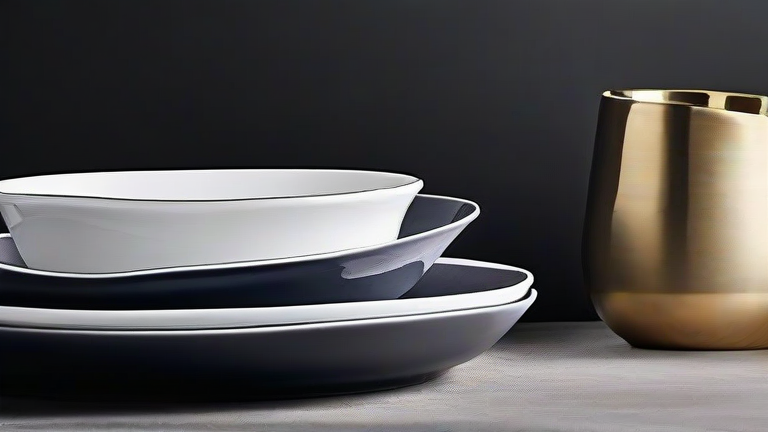
How to Care for Porcelain Dinnerware: A Complete Tutorial
TL;DR: To keep your porcelain dinnerware pristine, wash it gently with mild detergent and dry it immediately to prevent water spots. Avoid extreme temperature shocks and abrasive scrubbers to maintain the integrity of the glaze and prevent chipping.
Understanding Your Porcelain
Porcelain is a sophisticated ceramic material known for its translucency, strength, and elegant appearance. However, despite its durability, it is susceptible to thermal shock and physical impact. Understanding the specific characteristics of your collection, such as whether it is bone china or hard porcelain, helps you tailor your care routine effectively. Most modern porcelain is lead-free and dishwasher-safe, but hand washing is often recommended to preserve the longevity of intricate patterns and gold rims.
If you want to dig deeper, check out our guide on Elevate Your Dining: The Timeless Charm of Porcelain Dinnerw.
Washing Instructions
Start by filling a basin with lukewarm water. Avoid using hot water directly on cold plates, as this sudden temperature change can cause micro-cracks. Use a soft sponge or cloth with a gentle, pH-neutral dish soap. For stubborn stains, let the soapy water soak for a few minutes rather than scrubbing aggressively. If you choose to use a dishwasher, place items securely in the rack to prevent them from touching each other or the metal components of the machine. Ensure that the rinse cycle is short to minimize exposure to high heat and intense water pressure.
Drying and Storage
After washing, dry your porcelain immediately with a soft, lint-free towel. This step is crucial for preventing mineral deposits from hard water, which can leave unsightly white spots on the surface. Do not air dry in direct sunlight or near heat sources. When storing your dinnerware, use soft dividers or paper towels between plates to prevent them from rubbing against one another. Store the set in a closed cabinet to protect it from dust and accidental bumps. Never stack heavy items on top of delicate porcelain pieces, as the weight can cause stress fractures over time.
Essential Maintenance Tips
Never use abrasive pads, steel wool, or harsh chemical cleaners, as these will scratch the glaze and dull the shine. If you notice chips, address them promptly to prevent further damage and potential contamination. For items with gold or silver accents, always hand wash them with a mild soap and cold water. Avoid using bleach or acidic cleaners like vinegar, which can strip decorative finishes. Regular inspection of your collection allows you to catch minor issues before they become major problems. By following these simple guidelines, you ensure that your porcelain dinnerware remains a beautiful centerpiece for years to come.
FAQ
Q: Can I microwave porcelain plates?
A: Yes, most plain porcelain plates are microwave-safe, but avoid those with metallic decorations or gold rims as they can cause sparking.
Q: How do I remove stains from porcelain?
A: Soak the stained area in a mixture of baking soda and water for several hours, then gently scrub with a soft cloth and rinse thoroughly.
Q: Is porcelain durable enough for daily use?
A: Yes, high-quality porcelain is very durable and resistant to chipping, making it suitable for daily use if handled with basic care.
Leave a Reply