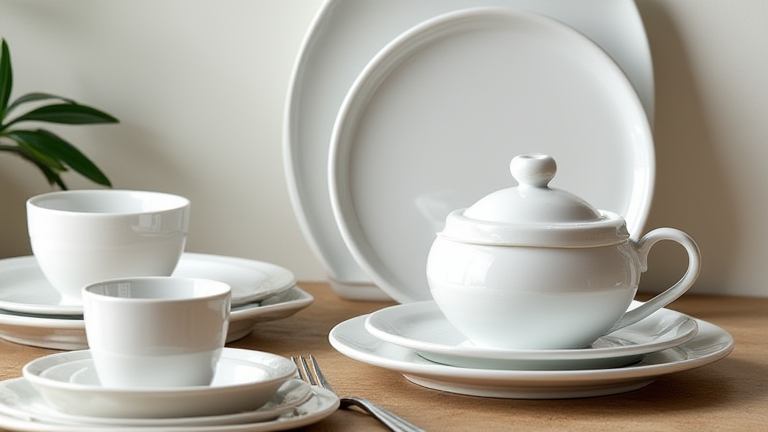
TL;DR: Porcelain dinnerware transforms everyday meals into ritualistic moments of mindfulness, blending centuries of craftsmanship with modern table aesthetics. Investing in quality porcelain elevates not just your dining space, but your relationship with food, slowing you down to savor texture, color, and communal connection.
The Art of the Everyday Table
In an era of disposable plates and microwave-safe plastics, the simple act of setting a table with porcelain is a quiet rebellion. Unlike stoneware or earthenware, porcelain is fired at extreme temperatures—around 1,300°C—resulting in a vitrified, non-porous surface that is both translucent and incredibly durable. This isn’t just dinnerware; it’s a cultural artifact. From the Ming dynasty’s blue-and-white export ware to the delicate Limoges of French châteaux, porcelain has long been the canvas for culinary artistry. When you lift a porcelain rim to your lips, you’re engaging in a tradition that spans a thousand years and three continents.
If you want to dig deeper, check out our guide on Tech-Enabled Porcelain Dinnerware: Smart Features & Trends.
Mindful Eating, Elevated Senses
The weight and resonance of a porcelain plate change how you perceive your meal. A thin, high-fired rim allows food to take center stage, while the glossy glaze reflects light, making a simple grain bowl look like a Michelin-starred entrée. But the deeper benefit is psychological: eating from a material that demands gentle handling forces you to slow down. You become present. The clink of porcelain against a fork is a sound that says, “This matters.” For travelers, this is the essence of the Japanese concept ichigo ichie—one time, one meeting. Each meal becomes a unique, unrepeatable event, not a rushed fuel stop.
Curating Your Collection: A Personal Growth Journey
Building a porcelain set is not about buying a 12-piece box set. It’s a curation. Start with a few versatile pieces: a deep pasta bowl, a flat dinner plate, and a small espresso cup. Mix brands and eras—pair a contemporary matte-black plate with a vintage floral saucer. This eclectic approach mirrors personal growth: you learn to blend disparate influences into a cohesive identity. Moreover, porcelain is forgiving. It won’t absorb stains or odors, so a turmeric-laced curry won’t ruin your investment. It’s a sustainable choice, too—quality porcelain lasts decades, reducing the cycle of cheap replacements that clog landfills.
Hosting with Intention
When guests see porcelain, they subconsciously raise their standards—and their appreciation. A dinner party served on mismatched, chipped stoneware feels casual; the same food on crisp white porcelain feels like a celebration. You’re not just feeding people; you’re honoring them. The material’s thermal properties keep food warmer longer, but its true magic is emotional. It whispers, “I planned this. I care.” That intentionality is the ultimate luxury, and it costs less than a single restaurant bill per plate.
FAQ
Q: How do I care for porcelain dinnerware without damaging it?
A: Hand wash with mild soap and warm water for delicate gold or hand-painted rims; for plain glazed porcelain, dishwasher-safe is fine, but avoid rapid temperature changes (no cold rinse on a hot plate) to prevent crazing. Stack with felt pads between plates to prevent scratching.
Q: Can porcelain go in the microwave and oven?
A: Yes, most high-fired porcelain is microwave-safe and oven-safe up to 350°F (175°C), but always check the manufacturer’s label. Avoid broiler use and sudden thermal shock—let the dish come to room temperature before heating.
Q: What’s the difference between porcelain and bone china?
A: Bone china contains 25–40% bone ash, making it whiter, lighter, and slightly more translucent than porcelain, but also more delicate and expensive. Porcelain is more chip-resistant and versatile for daily use, while bone china is best reserved for formal tea or special occasions.
Leave a Reply