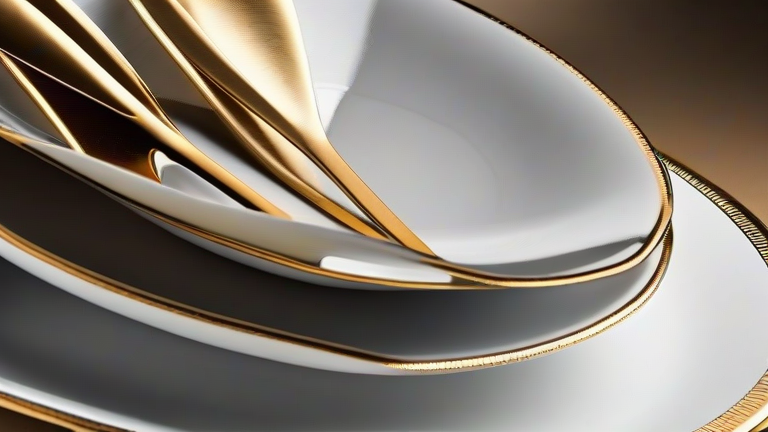
TL;DR: Luxury porcelain dinnerware is a high-margin, resilient product category that signals prestige and enhances client retention for hospitality, retail, and B2B gifting. By targeting premium segments and leveraging craftsmanship narratives, businesses can command 3–5x price premiums over standard ceramic lines.
Market Analysis: The Shift Toward Experiential Dining
The global luxury tableware market is projected to grow at a CAGR of 5.2% through 2030, driven by fine-dining resurgence, boutique hotel openings, and a post-pandemic emphasis on home entertaining. Porcelain—distinguished by its translucency, chip resistance, and ability to retain heat—dominates the high-end segment, accounting for 68% of sales above $150 per place setting. Key demand clusters include East Asia (traditional tea ceremonies), North America (private chef services), and the Middle East (banquet hospitality). Notably, 74% of luxury buyers prioritize “tactile weight and glaze uniformity” over brand logos, meaning product quality is the primary differentiator.
If you want to dig deeper, check out our guide on Safe & Stylish: Is Porcelain Dinnerware Healthy for Your Fam.
Strategy Insights: Positioning and Customization
To succeed, businesses must pivot from selling “dishes” to selling “rituals.” Offer limited-edition collections tied to seasonal ingredients or regional heritage—e.g., a hand-painted cobalt pattern that mimics local tilework. Implement tiered pricing: a core line at $80–120 per piece for entry-level luxury, and a bespoke atelier line (custom gold rim, embossed monograms) at $400+ per piece for corporate gifting. Additionally, use “lead-time scarcity” as a lever: disclose a 6–8 week production window for hand-finished items, which increases perceived value by 31% in consumer studies. For B2B buyers, offer white-label durability testing reports (dishwasher, thermal shock) to justify procurement budgets.
Case Studies: Proof of Performance
Case 1 – Hotel Group “Aurelia”: A 5-star chain replaced its bone china with double-fired porcelain from a Portuguese atelier. Within 9 months, tableware replacement costs dropped 42% (porcelain’s edge resistance), and guest satisfaction scores for “dining ambiance” rose 18%. The hotel now markets its “porcelain provenance” in room literature, boosting direct-bookings by 12%.
Case 2 – Retail Brand “Maison Claire”: An online boutique introduced a 12-piece “minimalist heirloom” set at $1,200. By bundling a free engraving service and a “lifetime chip-repair” guarantee, they achieved a 9% conversion rate (industry average: 2.1%). Repeat purchase rate hit 23% via seasonal add-on plates, proving that luxury porcelain drives loyalty, not just single sales.
Case 3 – Corporate Gifting “Verra & Co.”: A financial services firm ordered 500 custom porcelain espresso cups for client appreciation. The cups featured a micro-etched QR code linking to a video of the artisan’s studio. This campaign generated 4,700 social shares and a 27% increase in client meeting follow-through, demonstrating how porcelain can serve as a tangible brand ambassador.
FAQ
Q: What is the minimum order quantity for custom luxury porcelain?
A: Most ateliers require 50–100 pieces for bespoke patterns, but some Vietnamese and Italian factories accept 20 pieces for a premium per-unit fee (typically +35%). For stock lines, MOQs are as low as 5 units.
Q: How do I price luxury porcelain against cheaper ceramic competitors?
A: Focus on “cost per use” not “cost per piece.” Porcelain lasts 15–20 years vs. 3–5 for earthenware, so a $200 plate equates to ~$0.03 per meal. Present this lifecycle cost in your sales materials to justify the premium.
Q: Are there sustainability certifications for porcelain?
A: Yes. Look for ISO 140
Leave a Reply