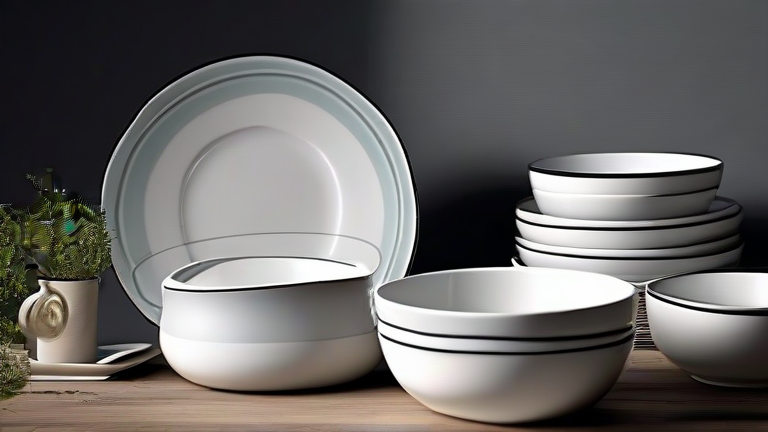
TL;DR: Yes, high-quality porcelain is generally considered one of the safest dinnerware materials for your family due to its non-porous, lead-free composition. When selecting pieces, always look for reputable brands that explicitly guarantee compliance with FDA and EU safety standards to ensure long-term health protection.
The Science Behind Porcelain Safety
Porcelain is a unique material created by firing kaolin clay, feldspar, and silica at extremely high temperatures, often exceeding 1,400 degrees Celsius. This intense heat vitrifies the clay, creating a glass-like surface that is dense and non-porous. Unlike lower-quality ceramics or earthenware, which may remain porous and absorb liquids, true porcelain does not leach chemicals into food. Scientific studies consistently show that properly fired porcelain is inert, meaning it does not react with acidic foods like tomatoes or citrus, ensuring that your meal remains chemically pure and uncontaminated.
If you want to dig deeper, check out our guide on Premium Porcelain Dinnerware: Elevate Your Dining Business.
Lead, Cadmium, and Regulatory Standards
The primary health concern regarding ceramic dinnerware involves the presence of heavy metals, specifically lead and cadmium, which are sometimes used in decorative glazes. However, modern manufacturing practices have largely eliminated these risks in reputable products. In the United States, the Food and Drug Administration (FDA) sets strict limits on lead and cadmium migration from ceramic products intended for food contact. Similarly, European Union regulations are among the most stringent globally. To ensure safety, consumers should purchase dinnerware from established brands that provide certificates of compliance. Avoid buying vintage or antique porcelain unless it has been professionally tested, as older glazes may not meet contemporary safety protocols.
Lifestyle Tips for Maintaining Healthy Dishes
While porcelain is inherently safe, proper care ensures longevity and maintains its structural integrity. First, avoid sudden temperature shocks. Moving a scalding hot plate directly from the oven to a cold sink can cause thermal shock, leading to cracks or chips. These imperfections can harbor bacteria and make the dish more susceptible to breakage. Always allow hot dishes to cool slightly before washing. Second, hand washing is often recommended for fine porcelain to prevent abrasive damage from dishwashers, though most modern porcelain is dishwasher-safe. Check the manufacturer’s guidelines. Finally, inspect your dinnerware regularly. If you notice any chips, cracks, or worn glaze, replace the item immediately. Damaged porcelain can expose the underlying clay body, which may be porous and less safe for food contact.
Choosing the Right Aesthetic
Health does not have to come at the expense of style. Porcelain offers a versatile canvas for various designs, from minimalist white plates to intricate floral patterns. When selecting a new set, prioritize quality over quantity. Invest in a smaller set of high-grade pieces rather than a large collection of lower-quality items. Look for a smooth, glossy finish that feels cool to the touch, which indicates proper vitrification. By choosing aesthetically pleasing yet scientifically sound dinnerware, you elevate your dining experience while safeguarding your family’s well-being. This balance of form and function makes porcelain an ideal choice for health-conscious households looking to upgrade their table setting.
FAQ
Q: Is porcelain safe for microwaving and dishwashing?
A: Yes, most modern porcelain is both microwave and dishwasher safe, but you should always verify the specific manufacturer’s instructions to ensure the glaze is heat-resistant and stable.
Q: How can I tell if my porcelain contains lead?
A: You cannot determine this visually; you must rely on the manufacturer’s certification. If you have vintage items, send them to a laboratory for X-ray fluorescence testing to check for heavy metal content.
Q: Does porcelain absorb odors or stains from food?
A: No, because true porcelain is non-porous, it does not absorb liquids, odors, or stains, making it easier to clean and more hygienic than porous alternatives like stoneware.
Leave a Reply