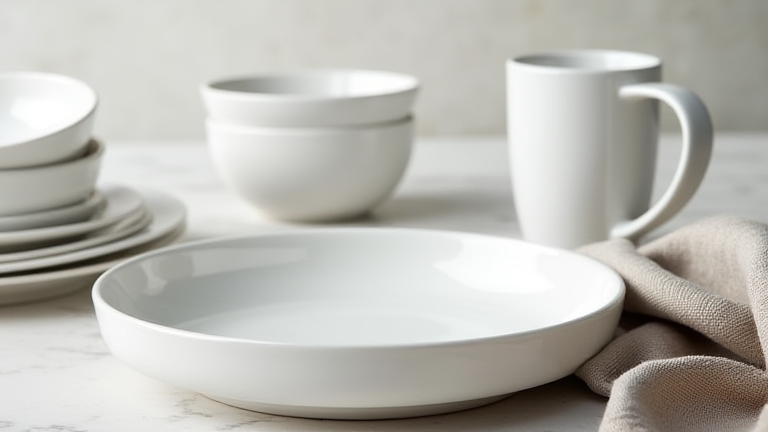
**12 Porcelain Dinnerware Care Tips: A Beginner’s Guide** (58 chars)
TL;DR: To maintain the brilliance of your porcelain, wash it gently with mild soap and avoid abrasive scrubbers. Always hand-wash delicate pieces and stack them securely with soft dividers to prevent chipping.
1. Understand Porcelain’s Strengths
Porcelain is fired at high temperatures, making it dense and durable. Unlike stoneware, it is nearly non-porous, which prevents staining. Understanding this helps you realize that it can handle hot liquids without cracking, provided thermal shock is avoided.
If you want to dig deeper, check out our guide on Best Porcelain Dinnerware: Top 10 Durable & Elegant Sets.
2. Start with a Soak
For stuck-on food, soak plates in warm, soapy water for ten minutes. This softens residue, reducing the need for aggressive scrubbing that could scratch the glaze. Never use boiling water on cold porcelain, as rapid temperature changes can cause cracks.
3. Choose the Right Sponge
Always use a soft sponge or cloth. Avoid steel wool or abrasive scouring pads, which can dull the glossy finish. A gentle circular motion is sufficient to lift grease and food particles without damaging the delicate surface of your fine dining sets.
4. Use Mild Detergent
Opt for a pH-neutral dish soap. Harsh chemicals or bleach can degrade the glaze over time, leading to a hazy appearance. Mild soaps clean effectively while preserving the vibrant colors and patterns of your porcelain plates and bowls.
5. Hand-Wash Delicate Items
While many modern porcelain pieces are dishwasher-safe, hand-washing is the safest bet for antique or hand-painted items. The high heat and aggressive jets of a dishwasher can loosen glazes or cause micro-cracks in intricate designs.
6. Rinse Thoroughly
Ensure all soap residue is rinsed away completely. Soap spots can appear as cloudy streaks once the water evaporates. Running cool water over the piece ensures a crystal-clear finish that reflects light beautifully during your next dinner party.
7. Dry Immediately
Use a clean, lint-free microfiber towel to dry your dinnerware. Air drying can leave water spots, especially in hard water areas. Drying immediately also prevents any remaining moisture from causing potential issues with stacked items.
8. Store with Care
Never stack plates tightly together. Use felt or cloth dividers between each piece to prevent friction and chipping. If space is limited, store bowls upside down to protect their interiors from dust and accidental knocks.
9. Avoid Thermal Shock
Do not transfer porcelain directly from the freezer to a hot oven or vice versa. Allow items to reach room temperature gradually. Sudden temperature extremes can expand or contract the material unevenly, leading to fractures.
10. Handle with Clean Hands
Oils from your skin can attract dirt and dull the surface over time. Always handle porcelain with clean, dry hands. This simple habit preserves the pristine white or colored background of your dinnerware for years to come.
11. Address Chips Immediately
If a small chip occurs, stop using the item for eating. Sharp edges can cut your lips or tongue. Small chips can sometimes be repaired with porcelain repair kits, but severe damage often requires professional restoration.
12. Regular Inspection
Periodically inspect your collection for hairline cracks or crazing. Crazing is a network of tiny cracks in the glaze. While not always structural, it can trap food and bacteria. Keeping track of the condition ensures your dining experience remains safe and elegant.
FAQ
Q: Is porcelain microwave safe?
A: Most modern porcelain is microwave-safe, but check for metallic accents or gold trim, which can spark and damage the appliance
Leave a Reply