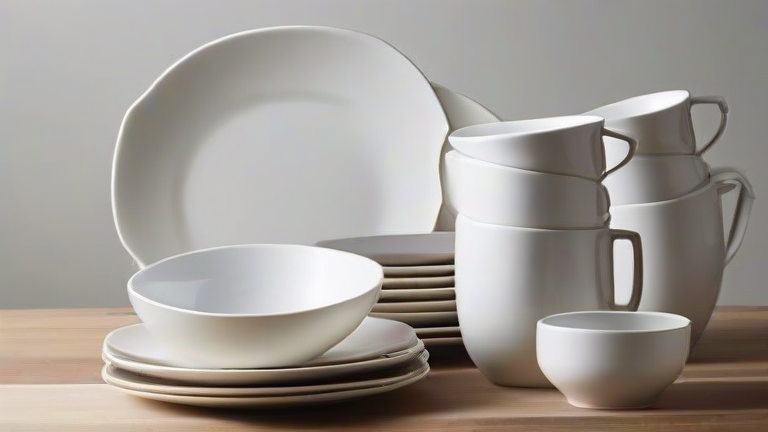
TL;DR: Yes, porcelain dinnerware is generally a healthier choice for your family compared to many ceramic or melamine alternatives, because it is non-porous, lead-free when properly fired, and resists bacterial growth. However, the safety depends entirely on the glaze and manufacturing standards, so you must choose reputable brands and avoid chipped pieces.
Why Porcelain Beats Plastic and Earthenware
Porcelain, fired at over 1,300°C, becomes vitrified—meaning it fuses into a glass-like, non-porous surface. This is the key to its health advantage. Unlike earthenware or stoneware, which can have microscopic pores, porcelain does not absorb food juices, oils, or cleaning chemicals. This makes it far less likely to harbor harmful bacteria like Salmonella or E. coli, especially important when serving raw meat, eggs, or dairy to children or elderly family members.
If you want to dig deeper, check out our guide on Top 10 Porcelain Dinnerware Sets: Buy Guide & Reviews.
The Lead and Cadmium Question
The real health risk in dinnerware comes from glazes. Low-quality ceramics often use lead or cadmium in decorative paints or glazes to achieve bright colors. When acidic foods (tomatoes, citrus, vinegar) touch these surfaces, toxic metals can leach into your meals. High-quality porcelain, especially from countries with strict safety regulations (like Japan, Germany, or the USA), uses food-safe, lead-free glazes. Always look for “lead-free” or “cadmium-free” labels, and avoid hand-painted porcelain with metallic rims unless it explicitly states compliance with FDA or EU standards.
Practical Tips for Everyday Safety
First, retire any porcelain plate that shows crazing (fine hairline cracks) or chips. Those damaged areas can trap bacteria and allow glaze chemicals to leach. Second, avoid using porcelain in microwaves if it has metallic gold or platinum trim—these can spark and release particles. Third, hand-wash your finest porcelain; dishwasher detergents can slowly erode the glaze over years, reducing its protective barrier. For everyday family use, choose simple, solid-color porcelain with a glossy, smooth finish—it’s easier to inspect for damage and cleans more effectively.
Stylish Yet Safe: The Modern Choice
You don’t need to sacrifice aesthetics for safety. Minimalist Japanese porcelain or Scandinavian-style matte finishes are both trendy and rigorously tested. When buying, hold the plate to light—a true porcelain piece is slightly translucent at the edges. Also, check for a “stoneware” vs. “porcelain” label; they are not the same. Porcelain’s density means it’s more durable against knife scratches, which double as bacterial hideouts. For kids, choose heavyweight porcelain with a wide base to prevent tipping, and avoid very thin bone china, which can shatter more easily.
FAQ
Q: Can I use porcelain dinnerware for baking or serving very hot food?
A: Yes, most porcelain is oven-safe up to 350°F (175°C) if it has no metallic trim. However, avoid sudden temperature shocks (e.g., moving from freezer to oven), as this can cause micro-cracks that compromise its non-porous seal.
Q: Is all porcelain automatically lead-free?
A: No. The porcelain body itself is safe, but decorative overglaze paints can contain lead. Only buy from brands that provide third-party lab testing (e.g., California Prop 65 compliance) or explicitly state “lead-free glaze” on the packaging.
Q: How do I clean porcelain to keep it healthy over time?
A: Use a soft sponge with mild dish soap and warm water. Avoid abrasive scrubbers, which can scratch the glaze. For stubborn stains, soak in a baking soda paste (not bleach). Replace any piece that develops visible scratches or rough spots.
Leave a Reply