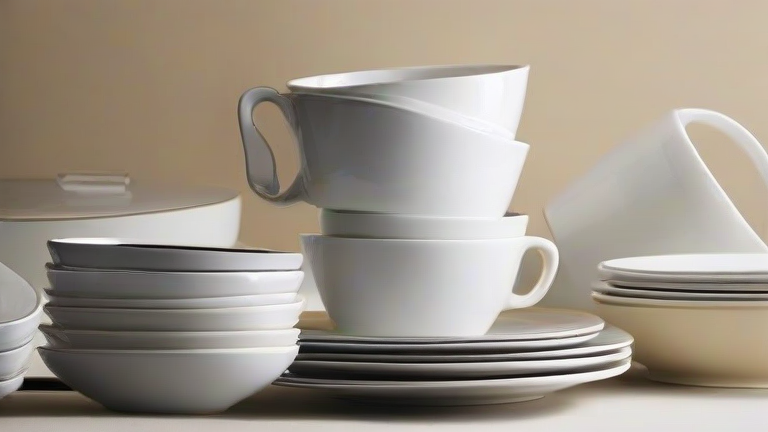
TL;DR: Porcelain dinnerware is worth the investment because it offers superior durability, non-porous hygiene, and timeless elegance that outlasts cheaper stoneware or earthenware. You pay once for a set that survives daily use, microwave, oven, and dishwasher without cracking, chipping, or absorbing stains.
Why Porcelain Beats the Alternatives
Unlike stoneware, which is fired at lower temperatures and remains slightly porous, porcelain is fired at over 2,300°F, vitrifying the clay into a glass-like, non-porous surface. This means no bacteria harboring in micro-cracks, no red wine or curry staining, and no metallic fork marks. Compare that to earthenware, which often requires hand-washing and glazes that craze over time. Porcelain’s dense body also resists thermal shock—you can pull a porcelain plate from a 400°F oven and place it on a cold granite counter without it shattering. Stoneware, while heavy, is more prone to chipping at the rim. Porcelain’s thinner profile feels refined in hand yet hides a surprising strength: it can withstand 10+ years of dishwasher cycles without losing its glossy finish.
If you want to dig deeper, check out our guide on Elevate Your Dining: The Timeless Art of Porcelain.
Feature Highlights: What to Look For
First, check the “vitrified” label—this guarantees non-porosity. Second, look for a rolled edge or reinforced rim, which prevents the most common chip point. Third, opt for a lead-free, food-safe glaze; premium brands like Villeroy & Boch or Le Creuset use ceramic-printed patterns that never fade. Fourth, weight matters: a quality porcelain plate should feel slightly heavier than bone china but lighter than stoneware—that balance indicates high clay density. Finally, choose a stackable, multipurpose set with dinner plates, salad plates, and bowls that nest efficiently for storage. Many top-tier sets now include a 10-year warranty against chipping, which most stoneware brands refuse to offer.
Cost vs. Value: The Real Math
A 12-piece porcelain set costs $150–$300, while a comparable stoneware set runs $60–$120. But stoneware replacement pieces—if you can find them—cost $20 each, and you’ll likely replace 4–6 pieces over a decade. Porcelain, with its resilience, sees zero replacements in that same period. Add in the fact that porcelain never loses its shine, so you won’t need to rebuy for aesthetic reasons. Over 10 years, porcelain saves you $100–$200 and eliminates the frustration of a mismatched table. For entertaining, porcelain’s bright white base makes food pop, mimicking restaurant presentation that earthenware’s earthy tones simply cannot achieve.
Call to Action
Stop replacing cheap dinnerware every other year. Upgrade to a vitrified porcelain set today—check our top-rated picks below, and take advantage of the limited-time 20% off on full sets. Your future self (and your dinner guests) will thank you.
FAQ
Q: Can I put porcelain dinnerware in the microwave and dishwasher?
A: Yes—if it’s fully vitrified and has a food-safe glaze. Avoid metallic trims (gold or platinum), which can spark in microwaves and tarnish in dishwashers. Plain white or ceramic-printed porcelain is 100% safe for both.
Q: How is porcelain different from bone china?
A: Bone china contains 25–30% bone ash, making it lighter and more translucent, but also more fragile and expensive. Porcelain is denser, more chip-resistant, and typically costs 30–50% less. For daily family use, porcelain is the better choice; bone china is for formal occasions.
Q: Will porcelain scratch or show knife marks?
A: No—its Mohs hardness of 7 (similar to quartz) resists scratches from stainless steel utensils. However, avoid cutting directly on the plate; use a cutting board to protect your knife blades,
Leave a Reply