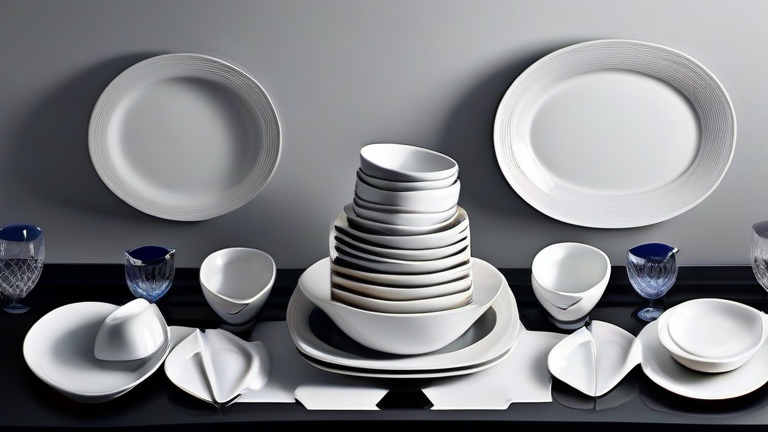
TL;DR: Top porcelain dinnerware brands for business prioritize durability, consistent aesthetics, and cost-efficiency over decorative flair. Choosing the right partner requires balancing high-heat resistance and chip tolerance against bulk pricing to maximize long-term operational savings in the hospitality sector.
Market Analysis: The Shift in Commercial Demand
The commercial porcelain dinnerware market is undergoing a significant transformation, driven by the post-pandemic recovery of the hospitality industry and a heightened focus on sustainability. Businesses are no longer satisfied with merely functional plates; they demand high-impact visuals that align with brand identity while withstanding the rigors of industrial dishwashing. The global market for commercial tableware is projected to grow steadily, fueled by an increase in fine-dining establishments and the rise of ghost kitchens that still require premium packaging aesthetics for delivery. However, supply chain volatility has forced operators to re-evaluate their inventory strategies. There is a noticeable shift from single-use plastics to durable, high-quality porcelain and stoneware, which reduces long-term waste and enhances the perceived value of the brand. Furthermore, consumers are increasingly aware of the environmental footprint of their dining experiences, pushing businesses to source from manufacturers who utilize eco-friendly production methods and recycled materials. This dual pressure of consumer expectation and operational efficiency defines the current landscape, making the selection of a dinnerware brand a critical strategic decision rather than a mere logistical task.
Strategy Insights: Balancing Cost and Quality
Effective procurement strategy for porcelain dinnerware hinges on understanding the total cost of ownership rather than just the initial purchase price. Cheap, low-fired ceramics may offer lower upfront costs but often fail prematurely, leading to higher replacement rates and potential liability issues if shards contaminate food. Conversely, premium bone china offers superior translucency and heat retention but requires careful handling. The ideal strategy involves a tiered approach. For high-volume casual dining, mid-range porcelain with a high chip resistance rating is optimal. For fine dining, investing in brands that offer custom glazing and robust warranties is essential. Additionally, businesses should negotiate bulk contracts that include a breakage allowance. A standard industry practice is to purchase 10% to 15% more stock than strictly necessary to account for inevitable breakage during service and transport. This buffer stock ensures service continuity and prevents the need for emergency, high-cost replacements. Furthermore, aligning the dinnerware aesthetic with the overall interior design of the establishment creates a cohesive brand experience that justifies higher menu prices.
Case Studies: Success Stories in the Industry
Consider the case of a mid-sized restaurant chain that transitioned from generic white plastic to a specific brand of reinforced stoneware porcelain. By investing in heavier, thicker plates, they reduced their breakage rate by 40% over six months. Although the initial investment was 20% higher than their previous plastic costs, the reduction in replacement frequency and the enhanced customer perception of quality led to a 15% increase in average check size. Another case involves a hotel group that standardized their porcelain across all properties. By consolidating their supplier base, they negotiated a 12% discount on bulk orders and streamlined their inventory management. This standardization allowed for easier training of new staff, as they only needed to be familiar with one type of tableware care and presentation. These examples demonstrate that the right dinnerware choice is a lever for both cost control and revenue growth, proving that quality materials are an investment in the brand’s longevity and profitability.
FAQ
Q: What is the most durable type of porcelain for commercial use?
A: Reinforced stoneware porcelain is generally considered the most durable for high-traffic commercial environments due to its high thermal shock resistance and chip tolerance.
Q: How many plates should a business order per cover?
A: A standard guideline is to order at least 1.5 to 2 plates per cover to account for breakage, lost items, and the time required for restocking during peak service hours.
Q: Can custom branding be applied to commercial porcelain?
A: Yes, most major manufacturers offer custom glazing, edge decoration, or logo imprinting
Leave a Reply