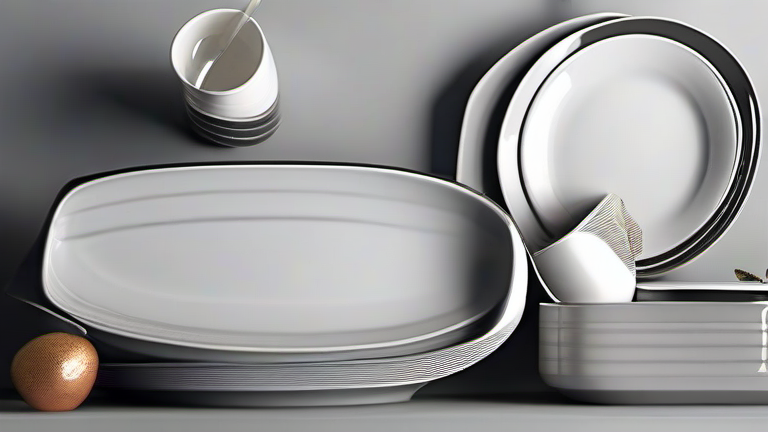
Tech in Porcelain Dinnerware: Innovations for Modern Dining
TL;DR: Modern porcelain dinnerware integrates advanced material science and IoT connectivity to enhance durability, hygiene, and user interaction. These innovations transform traditional ceramics into smart, sustainable, and high-performance dining solutions for the contemporary kitchen.
The landscape of fine dining is undergoing a silent revolution, driven not by changes in culinary trends but by breakthroughs in ceramic engineering. Porcelain, once a static material defined by its elegance and translucency, is now evolving into a dynamic platform for technological integration. The latest developments focus on three core areas: nanotechnology-enhanced glazes, embedded sensor capabilities, and sustainable manufacturing processes that leverage artificial intelligence.
If you want to dig deeper, check out our guide on Elevate Your Dining: The Timeless Luxury of Porcelain Dinner.
Material Science and Durability
Recent advancements in porcelain composition have introduced nano-composite structures that significantly improve thermal shock resistance and scratch hardness. Manufacturers are now incorporating rare earth oxides into the clay body, resulting in dinnerware that can withstand rapid temperature changes without cracking. This is crucial for modern kitchens where dishes frequently move from freezer to oven. Furthermore, new glaze technologies utilize hydrophobic nanocoatings. These surfaces repel water and grease, making cleaning faster and reducing the need for harsh chemical detergents. This not only extends the lifespan of the dinnerware but also aligns with consumer demands for eco-friendly products. The specs for these new materials often boast a Mohs hardness rating above 7, a significant leap from traditional porcelain which typically scores around 5 or 6. This increased durability reduces the frequency of replacement, thereby lowering the overall environmental footprint of household dining ware.
Smart Integration and IoT
Perhaps the most intriguing development is the integration of micro-electronics into porcelain items. While full-function smart plates remain niche, experimental prototypes now feature embedded NFC tags and low-power sensors. These components allow users to track the provenance of the dish, access care instructions via mobile apps, or even monitor surface temperature during service. For high-end hospitality sectors, this data can optimize kitchen workflows by identifying which dishes are in circulation and when they require deep cleaning. The power consumption is negligible, often powered by kinetic energy from handling or ambient light harvesting. This seamless integration ensures that the aesthetic purity of the porcelain is not compromised by visible wires or bulky components. The technology is invisible yet functional, bridging the gap between analog elegance and digital utility.
Industry Impact and Sustainability
The industry impact of these innovations is profound. AI-driven kilns now monitor firing conditions in real-time, adjusting temperature curves to minimize energy consumption and reduce defect rates. This precision manufacturing leads to a reduction in waste, a critical factor for companies aiming to achieve carbon neutrality. Additionally, the rise of 3D-printed porcelain prototypes allows for rapid design iteration, enabling brands to launch custom collections faster than ever before. This agility is essential in a market where consumer preferences shift rapidly. By combining robust material science with subtle digital enhancements, the porcelain industry is redefining what it means to dine with technology. It is no longer just about sustenance or aesthetics; it is about a smarter, more sustainable, and connected dining experience.
FAQ
Q: Are smart porcelain dishes safe for food contact?
A: Yes, reputable manufacturers ensure that any embedded electronic components are fully encapsulated within the ceramic body and sealed with food-grade, non-toxic glazes that meet FDA and EU safety standards.
Q: Can I put tech-enhanced porcelain in the dishwasher?
A: Most modern smart porcelain dishes are designed to be dishwasher safe, but users should check specific product guidelines, as extreme heat cycles or aggressive detergents could potentially affect sensitive electronic components over time.
Q: How does the cost of high-tech porcelain compare to traditional options?
A: Tech-enhanced porcelain is generally more expensive due to the complexity of manufacturing and the inclusion of micro-electronics, though the increased durability and functional features often justify the premium price for consumers and commercial clients.
Leave a Reply