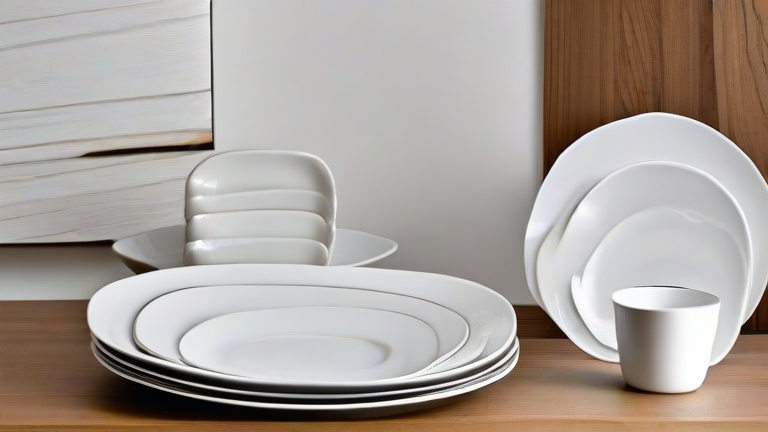
TL;DR: Porcelain dinnerware offers a safer, non-toxic alternative to plastic and lead-glazed ceramics, supporting digestive health by eliminating harmful chemical leaching. Its durable, heat-resistant properties also promote sustainable living, reducing the environmental footprint associated with frequent dish replacement.
In the pursuit of a healthier lifestyle, we often scrutinize our food choices and exercise routines, yet we frequently overlook the surfaces on which we consume our meals. The materials that hold our food can significantly impact our well-being. While plastic containers and lower-grade ceramics may seem convenient or cost-effective, they pose subtle health risks that can accumulate over time. Porcelain, a high-end ceramic material fired at extremely high temperatures, has emerged as the gold standard for safe and stylish dining, offering tangible benefits for both your health and your home environment. Understanding why porcelain is the superior choice for your tableware can empower you to make informed decisions that protect your long-term wellness.
If you want to dig deeper, check out our guide on Porcelain Dinnerware 101: Complete Beginner’s Guide.
The Science of Non-Toxic Materials
One of the most critical health concerns regarding traditional dinnerware is the potential for lead and cadmium leaching. Many inexpensive ceramic plates and bowls are coated with glazes that contain these heavy metals. When exposed to acidic foods, such as tomatoes, citrus fruits, or wine, or when subjected to microwave heating, these metals can migrate into your food. Chronic exposure to lead, even in small amounts, has been linked to neurological issues, kidney damage, and developmental problems in children. Porcelain, however, is chemically stable and non-porous when properly manufactured. High-quality porcelain is free from lead and cadmium, ensuring that no harmful substances leach into your food regardless of what you are eating or how you are storing it. This inert nature makes it a safer option for families, particularly households with young children or pregnant individuals who are more vulnerable to toxin exposure.
Microbial Resistance and Hygiene
Hygiene is another pillar of health and wellness. Porcelain’s dense structure, resulting from being fired at temperatures exceeding 1,400 degrees Celsius, makes it virtually non-porous. This characteristic is a significant advantage over stoneware or earthenware, which can have microscopic pores that trap bacteria, mold, and food odors. Because porcelain does not absorb moisture, it is much easier to clean and sanitize effectively. Studies on food safety indicate that smooth, non-porous surfaces are less likely to harbor pathogens like Salmonella or E. coli compared to textured or porous materials. By choosing porcelain, you are reducing the risk of cross-contamination and ensuring that your dishes remain hygienic between washes. This ease of maintenance also encourages more frequent washing, further supporting a clean and healthy kitchen environment.
Sustainability as a Health Factor
Health extends beyond the individual to include environmental well-being. The concept of “planetary health” recognizes that ecological degradation directly impacts human health. Porcelain is a highly durable material that can last for decades if handled correctly. Unlike plastic, which breaks down into microplastics that contaminate water supplies and enter the food chain, porcelain is inert and does not shed harmful particles. Its longevity means that you are less likely to need to replace your dishes frequently, thereby reducing the demand for raw materials and the energy consumption associated with manufacturing new products. Furthermore, porcelain is often made from natural materials like kaolin clay, feldspar, and quartz, which are abundant and have a lower environmental impact than synthetic plastics. By investing in durable porcelain, you are making a sustainable choice that supports a cleaner ecosystem, which ultimately benefits your own health through cleaner air and water.
Choosing porcelain is not just an aesthetic decision; it is a strategic move toward a healthier lifestyle. It eliminates the risk of heavy metal exposure, supports superior hygiene, and contributes to environmental sustainability. As you look to upgrade your kitchen, consider the long-term benefits of investing in high-quality, lead-free porcelain. Your body will thank you for the safety, and the planet will thank you for the sustainability.
FAQ
Q: Is all porcelain safe for microwave use?
A: Yes, high-quality, lead-free porcelain is generally safe for microwave use. It is important to ensure
Leave a Reply