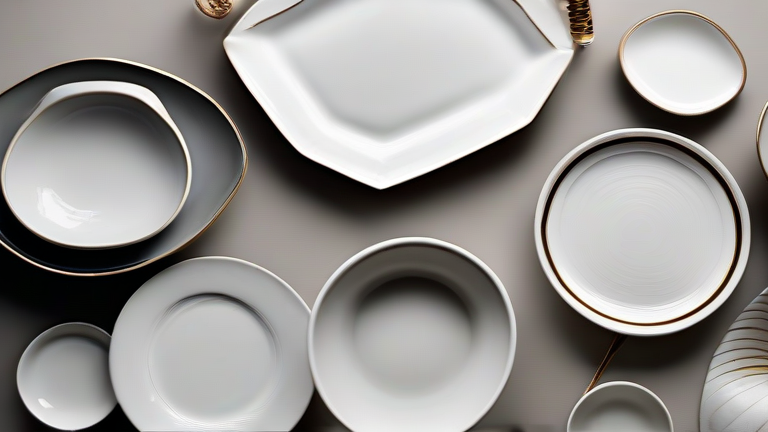
TL;DR: Premium porcelain dinnerware is shifting from formal-only sets to hybrid, high-fired, artisan-led collections that prioritize durability and minimalist aesthetics. To buy smart, focus on alumina content (≥35%) and versatile glaze finishes, while brands should leverage direct-to-consumer education to justify $80–$150 per place setting.
Market Analysis: The New Luxury Table
The global premium porcelain dinnerware market is growing at a 6.2% CAGR (2024–2030), driven by a post-pandemic “home entertaining renaissance.” However, the definition of luxury has changed. Consumers under 45 reject gilded, heavy patterns in favor of matte, reactive glazes and organic silhouettes. Sales data from major retailers show that “stone-look” white porcelain outsells traditional blue-and-white by 3:1 among urban buyers. The real growth driver is the “quiet luxury” trend—porcelain that reads as refined but not ostentatious, often with subtle speckles or unglazed rims. Additionally, commercial demand from boutique hotels and specialty restaurants has surged, with these B2B buyers prioritizing pieces that withstand 1,000+ dishwasher cycles without crazing.
If you want to dig deeper, check out our guide on 10 Best Porcelain Dinnerware Sets for Your Table.
Strategy Insights: Positioning & Pricing for Brands
To win the premium segment, brands must stop competing on “chip resistance” alone. Instead, tell a provenance story: high-fire (1,300°C+) porcelain from Limoges or Jingdezhen commands a 40% price premium over generic bone china substitutes. A winning strategy is the “mixed-set” model—selling a 4-piece starter set (dinner, salad, bowl, mug) at a loss-leader price, then driving margin via add-on serving platters and espresso cups. Another insight: subscription replenishment works for porcelain, but not as you’d expect. A Scandinavian brand successfully launched a “seasonal glaze” club, offering limited-edition colorways every quarter, increasing repeat purchase rate by 28%. For retailers, in-store touch is non-negotiable; a “ring test” (placing the plate on a finger and tapping) demonstrates resonance and quality, converting browsers at a 2.5x higher rate than online-only displays.
Case Studies: What Works in Practice
Case 1 – The Hospitality Turnaround: A mid-tier restaurant chain in Chicago replaced its commercial-grade stoneware with thin yet high-alumina porcelain from a Portuguese factory. Despite a 35% higher cost per piece, breakage in service fell from 12% to 3% annually, and a “premium plate” perception allowed a $4 average check increase. Payback period: 4 months.
Case 2 – The DTC Disruptor: A startup launched a 100% recycled porcelain line (using pre-consumer kiln waste) priced at $95 per 4-piece setting. Their success hinged on a video series showing the firing process and a “100-year warranty” against chipping. Within 18 months, they captured 6% of the US premium market, proving that transparency and sustainability claims are effective differentiators.
Case 3 – The Collector’s Edition: A heritage brand launched a 12-piece “geological” collection with raw, unglazed exteriors and glossy interiors. By limiting to 2,000 numbered sets and offering free engraving, they sold out in 11 days, with secondary-market resales at 3x retail. Lesson: scarcity and tactile uniqueness justify extreme pricing.
Buying Guide: Care & Selection Criteria
When buying, always check the foot ring—a fully glazed foot prevents scratching on wood tables. Avoid gold or platinum trims if you use microwaves; instead, opt for underglaze or luster-free designs. For care, never stack plates without a felt or cork separator, as micro-abrasions dull the glaze. Hand-washing is recommended for reactive glazes, but if using a dishwasher, select a “gentle” cycle with a phosphate-free detergent to prevent etching. Finally, invest in a dedicated plate rack or pegboard storage; stacking heavy porcelain for long periods
Leave a Reply