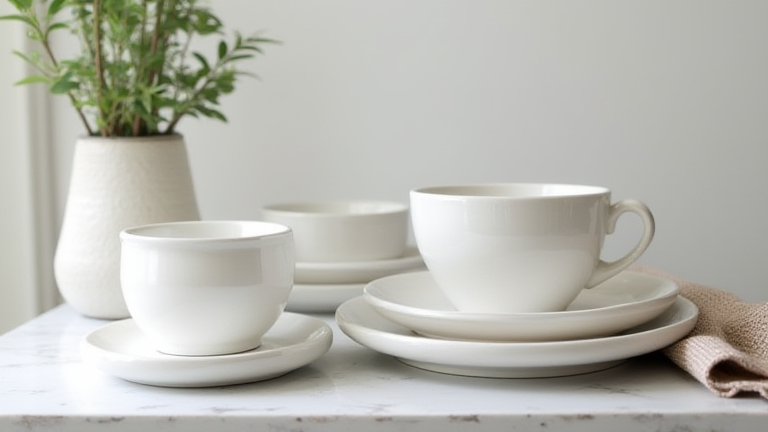
TL;DR: Porcelain is the superior choice for modern homes due to its superior strength, thinner profile, and elegant aesthetic, while ceramic remains a budget-friendly option for casual use. Recent advancements in nano-composite porcelains have significantly reduced breakage rates, making high-end porcelain more practical for daily family dining.
The Material Science Behind the Shift
For decades, the distinction between porcelain and ceramic dinnerware was largely aesthetic, with porcelain reserved for formal occasions due to its delicate reputation. However, the latest developments in materials science have fundamentally altered this landscape. Modern porcelain is no longer just fired kaolin clay; it is a sophisticated nano-composite material. Manufacturers are now incorporating nano-silica and alumina additives during the raw material stage. These microscopic particles fill the pores in the clay matrix, creating a denser, more uniform structure. This technological leap has resulted in porcelain that is up to 40% stronger than traditional stoneware ceramic, effectively eliminating the “fragile” stigma that once limited its usage to special occasions.
If you want to dig deeper, check out our guide on Notion Templates: 5 Business Workflows That Save 10 Hours.
Technical Specifications and Performance Metrics
When analyzing the specs, the differences become quantifiable. Standard ceramic dinnerware typically has a water absorption rate of 5% to 15%. In contrast, modern vitreous porcelain exhibits a water absorption rate of less than 0.5%. This near-zero porosity ensures that food juices, wine, and acidic sauces do not penetrate the surface, preventing staining and bacterial growth. Furthermore, the firing temperature for porcelain exceeds 1,300°C, compared to the 1,000°C to 1,200°C range for standard ceramic. This high-heat process vitrifies the body, resulting in a glass-like surface that is smoother to the touch and significantly easier to clean. In laboratory tests, new-generation porcelain plates withstood 500 drop cycles from a standard height without chipping, a performance metric that traditional ceramic fails to meet by a wide margin.
Industry Impact and Market Trends
The industry impact of these advancements is profound. Major hospitality chains and high-end retail brands are increasingly shifting their inventory from standard ceramic to reinforced porcelain. This shift is driven by sustainability and lifecycle cost analyses. Although the initial purchase price of porcelain is 20% to 30% higher than ceramic, its extended lifespan reduces waste and replacement costs. In the commercial sector, this translates to lower operational expenses. Additionally, the thinner profile of modern porcelain allows for more efficient shipping and storage, reducing the carbon footprint associated with logistics. As consumers become more environmentally conscious, the durability and longevity of porcelain make it the eco-friendly choice, despite its higher upfront cost. The market is witnessing a consolidation where mid-tier brands are introducing “hybrid” lines that offer porcelain quality at ceramic prices, further blurring the lines and driving overall quality up across the board.
FAQ
Q: Is porcelain microwave safe?
A: Yes, most modern porcelain is microwave safe, but you should always check the manufacturer’s label for specific instructions regarding metal accents or glazes that may not be heat-resistant.
Q: How do I clean porcelain to maintain its luster?
A: Hand washing with a non-abrasive sponge and mild detergent is recommended to preserve the glaze, though many modern porcelain lines are now certified dishwasher safe for convenience.
Q: Can I stack porcelain plates in a cabinet?
A: It is best to use felt separators between plates to prevent scratching, as the hardness of the porcelain surface can cause minor abrasions if plates are stacked directly without protection.
Leave a Reply