TL;DR: Properly care for porcelain dinnerware by hand-washing with mild detergent and avoiding thermal shock to prevent chipping. Style your table by mixing matte and glossy finishes to create visual depth while maintaining a cohesive color palette.
Understanding Porcelain Durability
Porcelain is one of the most durable and elegant materials available for tableware. Unlike stoneware or earthenware, porcelain is fired at much higher temperatures, resulting in a denser, non-porous surface. This density makes it exceptionally resistant to stains and liquids, meaning you do not need to seal your dishes. However, this strength comes with specific handling requirements. While porcelain is tough, it is still susceptible to thermal shock and physical impact. Understanding these nuances is the first step toward preserving the beauty of your collection for decades to come.
If you want to dig deeper, check out our guide on Why Your Morning Coffee Routine Needs a Real Pour-Over Kettl.
Cleaning and Maintenance Protocol
Although many porcelain pieces are labeled dishwasher safe, hand-washing is the recommended method for long-term preservation. Use warm water, a soft sponge, and a mild, non-abrasive dish soap. Avoid using steel wool or harsh scouring pads, as these can scratch the glaze and dull the finish. For stubborn stains, such as red wine or turmeric, soak the dish in warm, soapy water for fifteen minutes before gently scrubbing. Always rinse thoroughly to remove all soap residue, which can leave a film on the glassy surface. Dry immediately with a soft, lint-free towel to prevent water spots, especially in areas with hard water. If your porcelain has gold or silver rim accents, be extra gentle, as these metallic details can wear down over time with aggressive scrubbing.
Preventing Damage and Cracks
The primary enemy of porcelain is thermal shock. Never move a dish directly from a hot oven to a cold surface, or from a hot dishwasher rack to a cold countertop. Allow dishes to cool down to room temperature before washing or storing them. When stacking your dinnerware, place a soft cloth or paper towel between each piece to prevent direct contact. This simple buffer absorbs minor impacts and prevents the delicate edges from chipping against one another. Inspect your plates regularly for hairline cracks. If you find a small chip or crack, consider retiring the piece from active use, as these imperfections can spread and potentially cause the dish to break under pressure.
Styling Your Table Setting
Porcelain’s versatility allows for endless styling possibilities. For a classic, formal look, choose a uniform set in white or cream. This neutral canvas highlights the colors of your food and creates a clean, sophisticated aesthetic. For a more contemporary vibe, try mixing different shapes and patterns. Combine solid white plates with patterned bowls or napkins to add visual interest without overwhelming the senses. Matte finish porcelain offers a modern, tactile experience, while glossy finishes reflect light and add elegance. Play with texture by pairing smooth porcelain plates with woven placemats or rustic wooden serving boards. Remember the rule of thirds: leave some negative space on the plate to make the food presentation look intentional and balanced.
Storage Best Practices
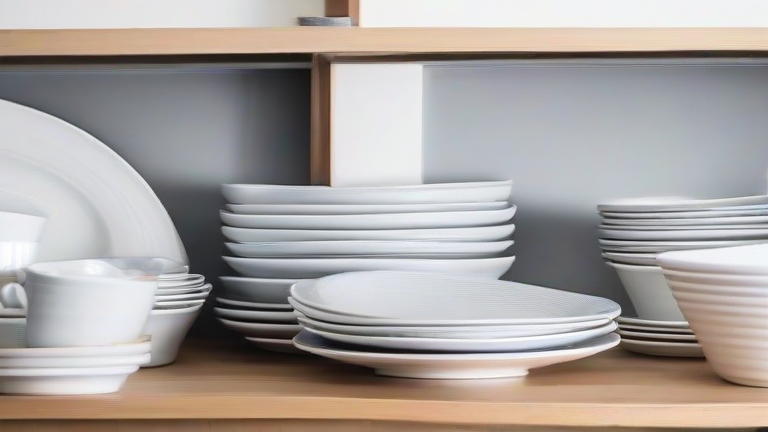
Store your porcelain dinnerware in a dry, cool place with adequate ventilation. Ensure that cabinets are not overly cramped, as shifting items can cause accidental knocks. Use shelf dividers if necessary to keep heavy pieces from tipping over. If you have a large collection, consider storing less frequently used items in a lower cabinet to minimize the risk of dropping them. Regularly check for any signs of wear and tear, and rotate your usage to ensure no single piece is subjected to excessive wear.
FAQ
Q: Can I put hot dishes directly into the dishwasher?
A: No, you should allow dishes to cool to room temperature first to prevent thermal shock, which can cause cracking or chipping in porcelain.
Q: How do I remove permanent stains from porcelain?
A: Create a paste of baking soda and water, apply it to the stain, and let it sit for an hour before gently scrubbing with a soft cloth and rinsing well.
Q
Leave a Reply