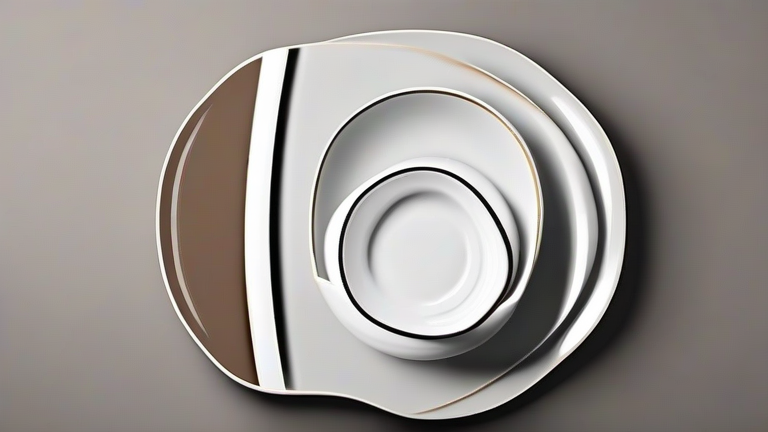
TL;DR: Advanced ceramic engineering and digital manufacturing have transformed porcelain dinnerware into a high-tech product with superior thermal shock resistance and structural integrity. These innovations elevate the table by combining aesthetic precision with functional durability that outperforms traditional clay methods.
The Digital Kiln Revolution
Historically, porcelain production was a craft reliant on artisan intuition, but the modern era is defined by data-driven precision. Leading manufacturers are now utilizing AI-driven kilns that monitor temperature fluctuations at millisecond intervals. This technology ensures that the vitrification process—the stage where the clay body becomes glass-like and non-porous—is executed with absolute consistency. By analyzing millions of data points from previous firings, these systems predict optimal firing curves for specific batch compositions. The result is a dinnerware set with a uniform density and zero micro-fractures, significantly extending the lifespan of the product. This shift from analog to digital control has reduced waste rates by up to thirty percent, making high-end porcelain more sustainable without compromising its premium status.
If you want to dig deeper, check out our guide on Smart Porcelain: 7 Tech Innovations Changing Dinnerware.
Nano-Ceramic Compositions
Beyond the firing process, the raw materials themselves have undergone a technological renaissance. Modern porcelain blends now incorporate nano-sized silica and alumina particles, which enhance the material’s mechanical properties. These nano-structures create a denser lattice structure, resulting in dinnerware that is exceptionally thin yet incredibly strong. The latest specifications indicate that these plates can withstand thermal shock from temperatures as low as minus twenty degrees Celsius to as high as two hundred and fifty degrees Celsius. This means you can move a plate directly from the freezer to the oven without fear of cracking. Furthermore, the surface finish has evolved. Laser etching and robotic glazing apply ultra-thin, food-safe coatings that are virtually scratch-resistant. These surfaces repel stains more effectively than standard glazes, reducing the need for abrasive cleaning agents and preserving the pristine white or colored aesthetic over thousands of uses.
Industry Impact and Sustainability
The integration of technology into porcelain production has had a profound impact on the global tableware industry. Mass customization is now possible through 3D printing and digital design workflows, allowing brands to offer intricate patterns and shapes that were previously impossible to mold by hand. This capability has blurred the line between industrial manufacturing and artisanal design, appealing to a broader consumer base. Moreover, the efficiency gains from digital kilns and optimized material usage have lowered the carbon footprint per unit produced. Industry leaders are reporting a twenty percent reduction in energy consumption per kiln load compared to a decade ago. This environmental benefit is becoming a key selling point, as consumers increasingly demand products that are both luxurious and ethically responsible. The convergence of high-tech manufacturing and timeless design has established porcelain as the premier material for modern dining, proving that tradition and innovation can coexist harmoniously to elevate the everyday meal into a refined experience.
FAQ
Q: Is tech-enhanced porcelain more durable than standard stoneware?
A: Yes, due to nano-ceramic reinforcements and precise vitrification, it offers superior thermal shock resistance and breakage protection.
Q: Does the new technology affect the taste of food?
A: No, the materials remain inert and non-porous, ensuring no chemical leaching or flavor transfer occurs during use.
Q: Are these high-tech plates compatible with induction cooktops?
A: Porcelain is not magnetic, so it will not heat on induction surfaces, but it is fully compatible with all other stove types.
Leave a Reply