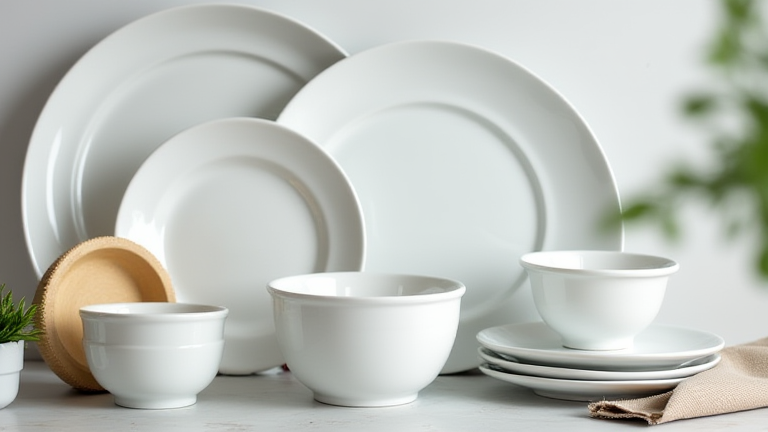
TL;DR: To clean porcelain dinnerware safely, hand-wash with mild dish soap and warm water using a soft sponge, avoiding abrasive scrubbers and sudden temperature changes. For stubborn stains, use a baking soda paste or a non-abrasive porcelain cleaner, then rinse and dry immediately to prevent water spots and crazing.
Porcelain Dinnerware Care: A Step-by-Step Cleaning Tutorial
Porcelain is prized for its delicate beauty and durability, but it requires a gentler touch than stoneware or earthenware. The key to long-lasting porcelain is preventing micro-scratches, chipping, and thermal shock. Follow this tutorial to keep your dinnerware looking pristine for years.
Step 1: Pre-Rinse Immediately After Use
As soon as your meal is finished, rinse each piece under lukewarm running water to remove food residue. Do not let food dry on the surface—acidic foods like tomato sauce or citrus can etch the glaze if left to sit. Use your fingers or a soft silicone spatula to dislodge any stuck bits. Avoid cold water on a hot plate, as the sudden temperature change can cause cracking (thermal shock).
Step 2: Prepare a Gentle Wash Solution
Fill a plastic or ceramic basin (never a metal sink—metal can scratch porcelain) with warm water—not hot, not cold. Add a few drops of mild, grease-cutting dish soap. Avoid detergents with bleach, citrus, or harsh enzymes, as these can dull the glaze over time. For everyday plates and bowls, this simple solution is all you need.
Step 3: Hand-Wash with a Soft Sponge
Use a non-abrasive sponge, microfiber cloth, or soft-bristled brush (like a baby bottle brush). Wash each piece individually, using gentle circular motions. Focus on the rim and foot (bottom edge) where grime accumulates. Never use steel wool, scouring pads, or abrasive powders—these will leave permanent fine scratches that trap bacteria and dull the finish.
Step 4: Tackle Stubborn Stains with a Baking Soda Paste
For tea, coffee, or rust stains, make a paste of 3 parts baking soda to 1 part water. Apply it to the stained area with your fingertips or a soft cloth, and let it sit for 10–15 minutes. Gently rub in a circular motion, then rinse thoroughly. For stubborn residue, you can also soak the piece in a solution of 1 part white vinegar to 3 parts warm water for 30 minutes—but never use vinegar on gold or metallic-trimmed porcelain, as it will dissolve the decoration.
Step 5: Rinse Thoroughly in Warm Water
Hold each piece under a stream of warm water, turning it to ensure all soap and loosened debris are washed away. Pay special attention to the underside and any crevices where soap residue can hide. Residue left to dry can cause a filmy haze on the glaze.
Step 6: Dry Immediately with a Soft Cloth
Do not let porcelain air-dry—hard water minerals will leave white spots or a cloudy film. Use a clean, lint-free cotton or microfiber towel to dry each piece immediately. This also prevents water from pooling in the foot ring, which can weaken the glaze over time. For extra shine, buff the surface with a dry, soft cloth after initial drying.
Step 7: Store with Care
Stack plates with a soft cloth or paper towel between each piece to prevent scratching from the foot ring of the plate above. For cups and bowls, place them upright, never nested tightly, as the inner surface can be scratched. If you must stack, use a non-slip padding. Avoid hanging heavy mugs by the handle—the stress can cause cracks.
FAQ
Q: Can I put porcelain dinnerware in the dishwasher?
A: Only if the manufacturer explicitly labels it “dishwasher-safe.” Most
Leave a Reply