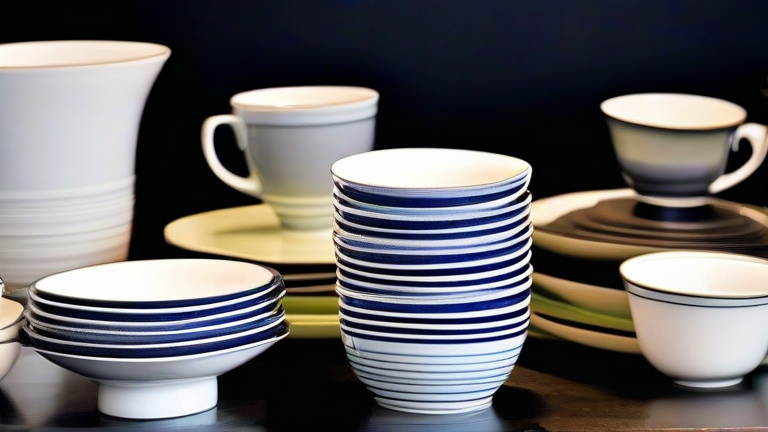
Porcelain Dinnerware Care: A Complete Cleaning & Maintenance Guide
TL;DR: To keep porcelain dinnerware pristine, wash it gently by hand with mild soap and a non-abrasive sponge, avoiding sudden temperature shocks. For maintenance, store pieces vertically in a padded cabinet and inspect regularly for chips or hairline cracks that can compromise integrity.
Initial Setup and Handling
Before your first use, run new porcelain plates through a hot water cycle to remove any factory dust or glaze impurities. Handle each piece with clean, dry hands to prevent oils from transferring to the glossy surface. Always lift plates by the edges rather than the center to distribute weight evenly and reduce the risk of bending or cracking the delicate rim.
If you want to dig deeper, check out our guide on Is Porcelain Dinnerware Safe? Health Benefits & Care Guide.
Daily Cleaning Procedures
While many modern porcelain sets are dishwasher safe, hand washing is the safest method for long-term preservation. Fill a basin with warm, not hot, water and add a small amount of pH-neutral dish soap. Use a soft microfiber cloth or a non-scratch sponge to gently wipe the surface. Avoid using steel wool, scouring pads, or abrasive powders, as these can scratch the glaze, creating tiny pits where bacteria can grow and where stains may settle permanently. Rinse thoroughly with clean water to ensure no soap residue remains, which can leave a hazy film on the white surface.
Drying and Storage Techniques
After washing, dry each piece immediately with a soft, lint-free towel to prevent water spots. Allow the plates to air dry completely before storing to ensure no moisture is trapped. Store porcelain vertically in a padded cabinet or use felt dividers to keep pieces separated. Never stack porcelain plates loosely, as the weight of the top piece can crack the rims of the bottom ones over time. If space is limited, use foam inserts to cushion the contact points between plates.
Special Care for Stains and Chips
For stubborn stains like tea or coffee, soak the affected area in a mixture of warm water and vinegar for thirty minutes before gently scrubbing. Never place hot porcelain directly into cold water, as thermal shock can cause immediate cracking. If you notice a small chip, use a food-safe ceramic repair kit to fill the gap, preventing it from expanding and keeping the piece safe for use. Discard any piece with a deep crack or flaking glaze, as these materials can leach into food.
FAQ
Q: Can I microwave my porcelain dinnerware?
A: Yes, most modern porcelain is microwave safe, but avoid using it if it has metallic trim or gold accents, which can cause arcing and damage.
Q: How do I remove silver stains from the glaze?
A: Create a paste of baking soda and water, apply it to the stained area, let it sit for ten minutes, and then gently rub with a soft cloth before rinsing.
Q: Is it safe to use bleach on porcelain?
A: No, avoid chlorine bleach as it can degrade the glaze over time and pose a health risk if residues remain; stick to mild soap or vinegar solutions.
Leave a Reply