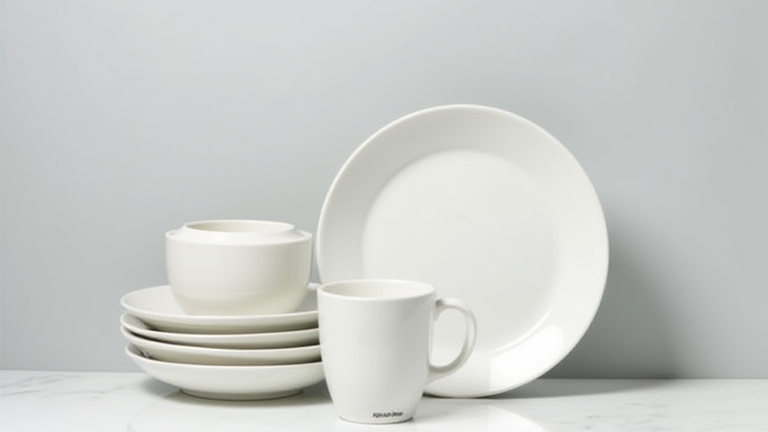
TL;DR: To maintain porcelain dinnerware, always hand wash with warm water and mild detergent using a soft sponge to prevent micro-scratches that dull the glaze. Avoid placing cold plates directly into a hot dishwasher or oven, as thermal shock can cause the delicate material to crack or shatter unexpectedly.
Understanding Porcelain’s Unique Properties
Porcelain is distinct from other ceramics because it is fired at extremely high temperatures, resulting in a dense, non-porous, and vitreous surface. This structure makes it highly resistant to staining and absorbing odors, which is a major advantage for daily use. However, this density also makes the material brittle compared to stoneware or earthenware. The primary enemy of porcelain is not dirt, but thermal stress and physical impact. Unlike plastic or metal, porcelain cannot expand and contract significantly without breaking. Therefore, every care decision must prioritize temperature stability and gentle handling to preserve the integrity of the glaze and the body of the dish.
If you want to dig deeper, check out our guide on Porcelain Dinnerware Care: A Step-by-Step Cleaning Tutorial.
Step-by-Step Cleaning Instructions
Begin by rinsing the dish under lukewarm running water to remove loose food particles. Avoid using boiling water on a cold plate, as the sudden temperature change can weaken the structure over time. Apply a few drops of pH-neutral dish soap to a soft, non-abrasive sponge or cloth. Gently wipe the surface in circular motions, paying extra attention to areas where food may have baked on. For stubborn stains, create a paste of baking soda and water, apply it to the stain, and let it sit for ten minutes before gently scrubbing. Never use steel wool, abrasive scrub pads, or harsh chemical cleaners like bleach, as these can permanently scratch the glaze and create rough surfaces that trap bacteria and dirt. Rinse thoroughly to ensure no soap residue remains, which can affect the taste of food and cloud the surface. Dry immediately with a clean, soft towel to prevent water spots, especially if your water supply is hard. Air drying is acceptable, but hand drying is superior for maintaining a pristine shine.
Storage and Handling Tips
Proper storage is crucial to preventing accidental damage. Place felt or cloth liners between each plate in your cabinet to prevent them from clinking together. This simple step prevents chipping at the rims, which is the most common form of porcelain damage. Avoid stacking heavy items on top of lighter porcelain pieces. If you must stack, ensure the bottom layer is the heaviest and most stable. When transporting dishes, wrap them individually in bubble wrap or soft cloth. Never leave porcelain in extreme heat or cold for extended periods. While many modern porcelains are oven-safe, always check the manufacturer’s specifications. Sudden transitions, such as moving a dish from a freezer directly to a hot stove, should be avoided at all costs.
Repairing Minor Damage
If a small chip occurs, it is important to address it immediately to prevent it from spreading. You can use a food-safe porcelain repair kit, which typically includes a specialized adhesive and color-matching paste. Apply a tiny amount of adhesive to the chipped area, press it firmly, and allow it to cure according to the instructions. For larger cracks or breaks, professional restoration is recommended, as amateur attempts may compromise the structural safety of the dish. If the damage is extensive, it is safer to retire the item from active use and repurpose it for decorative purposes where it will not be used for food.
FAQ
Q: Can I put porcelain in the dishwasher?
A: Yes, most modern porcelain is dishwasher safe, but hand washing is recommended to extend the lifespan and keep the glaze shiny, as high heat and harsh detergents can degrade the finish over time.
Q: How do I remove tea or coffee stains from porcelain?
A: Create a paste with baking soda and water, apply it to the stained area, let it sit for fifteen minutes, and then gently scrub with a soft cloth before rinsing thoroughly with warm water.
Q: Is it safe to use porcelain with metal utensils?
A:
Leave a Reply