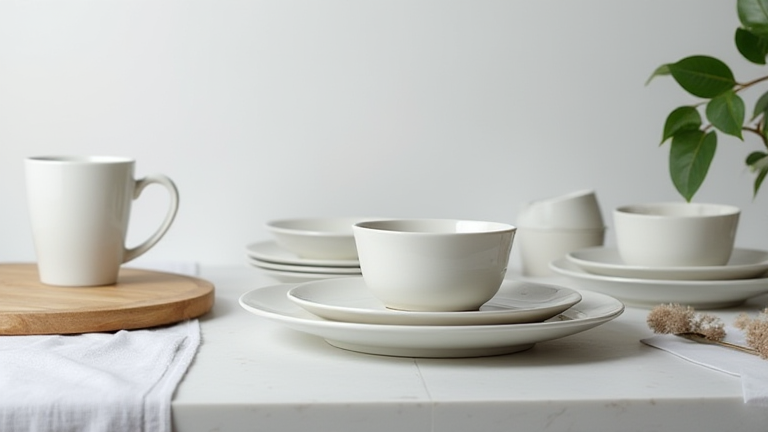
TL;DR: Porcelain dinnerware offers five science-backed health benefits: it is non-porous and hygienic, free of harmful leaching chemicals, microwave- and oven-safe for healthier cooking, naturally lead- and cadmium-free when certified, and durable enough to reduce waste and bacterial buildup. Choosing certified porcelain supports safer, cleaner, and more sustainable meals.
1. Non-Porous Surface Resists Bacteria
Porcelain is fired at extremely high temperatures, around 1,200–1,400°C, which fuses its surface into a dense, glass-like finish. Unlike wood, plastic, or porous stoneware, this non-porous surface leaves bacteria, mold, and food residue nowhere to hide. A study in the Journal of Food Protection found that non-porous surfaces harbor significantly fewer bacteria than scratched plastic or wood. For everyday wellness, this means less risk of cross-contamination—especially important when serving raw or lightly cooked foods.
If you want to dig deeper, check out our guide on Tech in Porcelain: 5 Smart Dinnerware Innovations.
2. No Harmful Chemical Leaching
Many plastics contain BPA, phthalates, or melamine, which can migrate into food, particularly when heated. Porcelain is inert. Research shows that properly glazed, certified porcelain does not release these endocrine-disrupting chemicals. Lifestyle tip: avoid vintage or hand-painted ceramics unless labeled “lead-free,” as older glazes may leach heavy metals.
3. Microwave and Oven Safe for Healthier Cooking
Porcelain tolerates microwave and oven heat, so you can reheat leftovers or bake without transferring food to plastic containers. This reduces exposure to microplastics and chemical leaching. A 2020 review in Environmental Science & Technology warned that microwaving plastic can release millions of microplastic particles. Using porcelain sidesteps that risk entirely.
4. Naturally Lead- and Cadmium-Free (When Certified)
High-quality porcelain uses lead-free glazes. Look for “prop 65 compliant” or “lead-free” labels. Chronic lead exposure is linked to hypertension and cognitive decline, per the CDC. Choosing certified porcelain protects your family from these heavy metals.
5. Durability Reduces Waste and Bacterial Buildup
Porcelain resists chipping and scratching better than earthenware. Scratched surfaces trap bacteria; intact porcelain stays hygienic. Its longevity also means fewer replacements, cutting landfill waste—a win for both personal and planetary health.
FAQ
Q: Is porcelain dinnerware safer than plastic for hot food?
A: Yes. Porcelain is inert and heat-stable, while heated plastic can leach BPA, phthalates, and microplastics into food.
Q: How can I tell if my porcelain is lead-free?
A: Check for “lead-free,” “cadmium-free,” or “Prop 65 compliant” labels. Avoid antique, hand-painted, or unmarked glazes unless tested.
Q: Does porcelain dinnerware need special cleaning for hygiene?
A: No. Its non-porous surface washes clean with warm soapy water or a dishwasher, resisting bacterial buildup better than wood or scratched plastic.
Leave a Reply