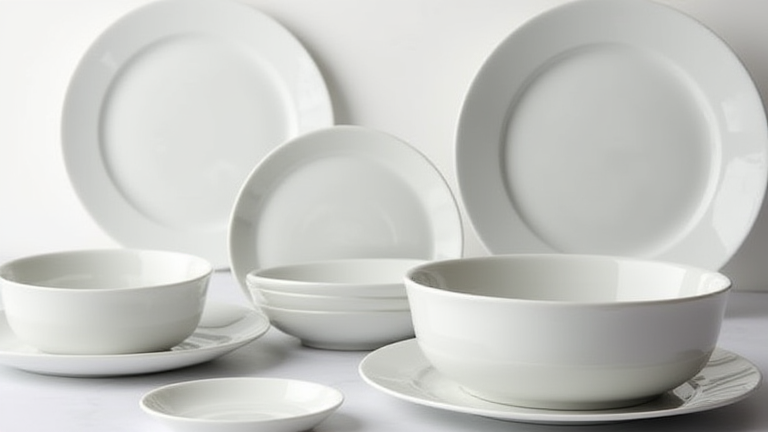
TL;DR: Porcelain dinnerware is a durable, elegant choice that enhances dining aesthetics while withstanding daily use. To master it, learn to distinguish true porcelain from bone china, care for it properly to prevent chipping, and store it securely to maintain its pristine appearance.
Understanding Porcelain Basics
Before purchasing, understand what makes porcelain unique. True porcelain is made from kaolin clay, fired at extremely high temperatures. This process creates a dense, non-porous material that is stronger than ceramic or earthenware. Look for pieces that ring like a bell when tapped; this indicates a high-quality, hard-fired glaze. Avoid “porcelain” labels on low-fire ceramics, as these are more prone to staining and chipping. True porcelain is white, translucent when held up to light, and smooth to the touch. It is the ideal material for formal dining because it does not absorb food odors or flavors, ensuring that your dishes always look and taste fresh.
If you want to dig deeper, check out our guide on 10 Trend Forecasting Tools to Spot Viral Products Before The.
Selecting the Right Sets
When buying dinnerware, consider your lifestyle and household size. Standard sets usually include eight place settings, consisting of dinner plates, salad plates, and bowls. If you host frequently, consider adding extra bowls and platters. Check the rim thickness; thicker rims are less likely to chip. Ensure the pieces are microwave and dishwasher safe, which is standard for most modern porcelain. Pay attention to the shape and size. Dinner plates should be approximately 10.5 to 11 inches in diameter. Salad plates are typically 8 to 9 inches. Coordinate with your silverware; modern flatware often has a specific width that complements certain plate diameters. Choose a color that fits your kitchen decor. White is timeless and versatile, while colored or patterned porcelain adds personality. Ensure the glaze is even and free of bubbles or pinholes, which can trap bacteria over time.
Care and Maintenance Tips
Proper care extends the life of your porcelain. Although dishwasher safe, hand washing is recommended for antique or hand-painted pieces. Use a mild detergent and a soft sponge. Avoid abrasive scrubbers that can scratch the glaze. When washing, do not stack plates tightly, as friction can cause micro-abrasions. Dry plates with a soft towel immediately to prevent water spots. Store plates vertically in a cabinet with felt dividers to prevent them from rubbing against each other. If you must stack them, place a piece of parchment paper or a cloth between each plate. Avoid sudden temperature changes, such as moving a cold plate directly into a hot oven, as this can cause thermal shock and cracking. Check for chips regularly; even small chips can grow larger and become safety hazards.
Repairing and Replacing
Small chips can often be repaired with a food-safe epoxy or clear nail polish, though this is a temporary fix. For major cracks, replacement is usually the best option. Keep a few spare plates in case of accidents. When replacing pieces, try to match the specific brand and series number to ensure color and texture consistency. Porcelain is an investment in your home’s elegance. By choosing quality pieces and caring for them correctly, you will enjoy beautiful, functional dinnerware for decades. Remember that porcelain is not just a dish; it is an artistic element that frames your food and elevates the dining experience. Treat your dinnerware with respect, and it will serve you faithfully for many years.
FAQ
Q: Is porcelain better than ceramic?
A: Porcelain is denser and more durable than standard ceramic, making it less porous and more resistant to chipping and staining.
Q: Can I put porcelain in the freezer?
A: While porcelain is generally freeze-safe, avoid putting empty, cold porcelain into a hot microwave or oven, as thermal shock can cause cracking.
Q: How do I remove stains from porcelain?
A: Most stains can be removed with a paste of baking soda and water; for stubborn stains, a dilute bleach solution can be used, followed by thorough rinsing.
Leave a Reply