Blog

  • Is Porcelain Dinnerware Safe for Health? Expert Insights

    Is Porcelain Dinnerware Safe for Health? Expert Insights

    TL;DR: Yes, high-quality porcelain is generally safe for daily use as it is fired at high temperatures that lock in glazes and prevent leaching. However, avoid using pieces with visible cracks, chips, or decorative lead-based paints on the eating surface to ensure maximum safety.

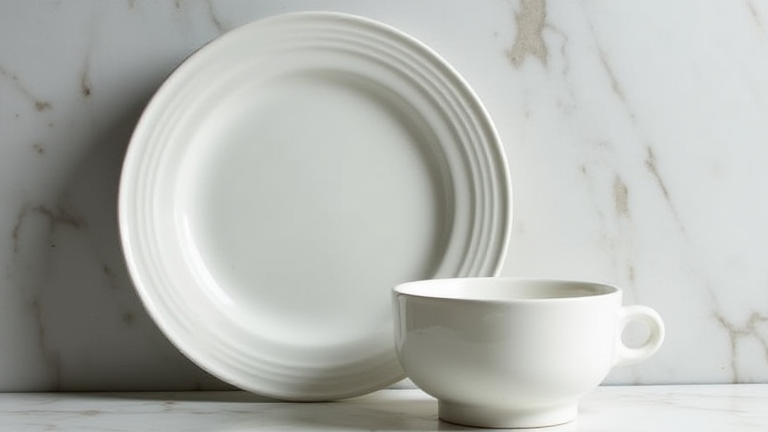
    Porcelain has been a staple in dining rooms for centuries, prized for its elegance, durability, and ability to retain heat. Yet, many consumers worry about potential chemical leaching, particularly lead and cadmium. Understanding the science behind how porcelain is manufactured helps demystify these concerns. Porcelain is made from kaolin clay, petuntse, and feldspar, which are fired at extremely high temperatures, often exceeding 1,200°C. This intense heat vitrifies the clay, creating a dense, non-porous material that does not absorb liquids or harbor bacteria. Unlike lower-quality ceramics, this dense structure means that the material itself is inert and stable, making it a chemically safe choice for food contact when properly manufactured.

    If you want to dig deeper, check out our guide on Top 5 Skincare Trends Redefining Beauty Routines.

    The Role of Glazes and Firing Temperatures

    The primary health concern associated with ceramic dinnerware revolves not around the clay body, but rather the glazes applied to the surface. Glazes are glass-like coatings that make the dish waterproof and aesthetically pleasing. In reputable porcelain products, glazes are lead-free and cadmium-free, adhering to strict safety standards set by organizations like the FDA and the European Chemicals Agency. The key factor is the firing process. High-fire porcelain ensures that the glaze fuses completely with the body, creating a barrier that prevents any potential migration of heavy metals into food. If you are purchasing antique or imported pottery, be cautious. Items made before modern safety regulations were established, or those from regions with less stringent manufacturing controls, may contain higher levels of heavy metals. Always look for labels indicating that the dinnerware is “lead-free” and “dishwasher safe,” as these certifications often correlate with higher safety standards.

    Lifestyle Tips for Maintaining Safe Porcelain

    To maximize the safety and longevity of your porcelain collection, follow these science-backed lifestyle tips. First, avoid thermal shock. While porcelain is strong, sudden temperature changes—such as moving a dish directly from a frozen freezer to a hot oven—can cause micro-cracks. These fissures can trap food particles and bacteria, compromising hygiene. Second, inspect your plates regularly. Any visible chip or crack, especially on the rim where lips often touch the plate, should prompt immediate disposal of that specific item. Cracks can harbor bacteria that are difficult to eliminate through standard washing, and they may also cause the glaze to flake off, potentially introducing foreign particles into your food. Finally, hand-washing delicate or highly decorated pieces can help preserve the integrity of the glaze, even if the manufacturer states they are dishwasher safe. Using non-abrasive sponges prevents scratching the surface, which maintains the protective glaze layer over time.

    FAQ

    Q: Is microwaving porcelain safe?
    A: Yes, most pure porcelain is microwave-safe because it is non-porous and does not contain metal. However, always check for metallic trim or gold accents, which can spark in a microwave and damage both the dish and the appliance.

    Q: Can I use porcelain for acidic foods like tomato sauce?
    A: You can, provided the glaze is intact and the product is certified lead-free. Acidic foods can potentially leach metals from poorly fired or low-quality ceramics, but high-quality, vitrified porcelain is resistant to acid erosion and remains safe for such uses.

    Q: How do I know if my porcelain is lead-free?
    A: Look for explicit labeling from the manufacturer stating “lead-free” or “compliant with FDA/EU regulations.” If buying vintage or unlabeled items, consider using a home lead test kit on the glaze surface to ensure there is no detectable lead presence before using them for food.
    Related Articles

  • Best Product Analytics Tools for SaaS Teams

    TL;DR: The best product analytics tools for SaaS teams are Mixpanel and Amplitude, offering deep behavioral insights without code. They help optimize user journeys by tracking key metrics that drive retention and growth effectively.

    Understanding the Core Challenge

    In the competitive SaaS landscape, understanding user behavior is crucial for success. However, many teams struggle to connect raw data with actionable business insights. The right analytics tool bridges this gap, allowing product managers to make informed decisions based on real user interactions. This is particularly important when balancing feature development with user retention strategies.

    If you want to dig deeper, check out our guide on Porcelain Dinnerware: The Perfect Blend of Tech & Tradition.

    Top Contenders in the Market

    Mixpanel stands out for its intuitive interface and powerful funnel analysis. It allows teams to identify drop-off points in onboarding processes with ease. On the other hand, Amplitude provides robust cohort analysis, helping teams understand how user groups evolve over time. Both tools integrate seamlessly with major data warehouses, ensuring that your analytics stack remains cohesive and scalable. For smaller teams, Hotjar offers a complementary solution by combining quantitative analytics with qualitative heatmaps, providing a holistic view of user experience.

    Feature Highlights and Comparisons

    When comparing these tools, data accuracy and ease of setup are paramount. Mixpanel excels in speed, providing real-time insights that can be acted upon immediately. Amplitude, while slightly more complex to configure, offers deeper segmentation capabilities that are invaluable for personalized marketing campaigns. Pricing models also vary; Mixpanel charges based on monthly tracked users, while Amplitude uses a tiered plan based on event volume. Teams must evaluate their specific data needs against these pricing structures to avoid unexpected costs as they scale. Furthermore, customer support quality can differ significantly, with enterprise plans offering dedicated success managers who guide teams through complex implementation challenges.

    Strategic Implementation Tips

    Regardless of the tool chosen, successful implementation requires clear goal setting. Define key performance indicators before starting data collection to avoid information overload. Ensure that your development team is aligned with the analytics team to guarantee accurate event tracking. Regularly review data to identify trends and anomalies, adjusting your product strategy accordingly. This proactive approach ensures that analytics drive tangible business value rather than remaining a passive data repository. Collaboration between marketing, product, and engineering teams is essential for maximizing the return on investment from these tools.

    Final Verdict and Call-to-Action

    Selecting the right product analytics tool is a strategic decision that impacts long-term growth. For most SaaS teams, starting with a free tier of Mixpanel or Amplitude is a prudent first step. Evaluate the tool’s fit with your current tech stack and team expertise. Ready to transform your data into decisions? Start your trial today and unlock the full potential of your user data. Embrace the power of analytics to drive innovation and customer satisfaction in your SaaS product.

    FAQ

    Q: Which tool is best for small SaaS startups?
    A: Mixpanel is often recommended for its ease of use and generous free tier, making it ideal for small teams looking to gain initial insights without significant upfront investment.

    Q: How long does it take to implement these tools?
    A: Basic implementation can be completed in a few days, but achieving full data accuracy and integrating with existing systems may take several weeks depending on your technical infrastructure.

    Q: Can these tools integrate with CRM systems?
    A: Yes, both Mixpanel and Amplitude offer native integrations with popular CRM platforms like Salesforce and HubSpot, allowing for unified customer data management across marketing and product teams.

    Related Articles

  • 1. **Wholesale Porcelain Dinnerware: Boost Your Restaurant Business** (62) 2. **How Porcelain Dinner

    TL;DR: Investing in high-quality wholesale porcelain dinnerware significantly elevates a restaurant’s perceived brand value and enhances the customer dining experience. Strategic sourcing and durability-focused selection reduce long-term replacement costs while supporting premium pricing structures.

    Market Analysis: The Shift to Premium Tableware

    The global restaurant industry is witnessing a distinct shift toward experiential dining, where the presentation of food is as critical as its taste. Market data indicates a steady rise in demand for premium tableware, with porcelain leading the sector due to its aesthetic versatility and thermal stability. Unlike ceramic or stoneware, porcelain offers a thinner, more elegant profile that allows the color and texture of the dish to shine. Furthermore, the market is moving away from disposable plastics and low-grade melamine, driven by consumer preferences for sustainability and quality. Restaurants that invest in durable, high-grade porcelain are aligning with these broader cultural shifts, positioning themselves as establishments that value both craftsmanship and customer satisfaction.

    If you want to dig deeper, check out our guide on 10 Timeless Porcelain Dinnerware Pieces for Elegant Tables.

    Strategy Insights: Cost-Effectiveness and Branding

    Many restaurant owners hesitate to purchase wholesale porcelain due to the initial capital outlay. However, a strategic analysis reveals that porcelain’s longevity often makes it more cost-effective than cheaper alternatives. High-quality porcelain is less prone to chipping and cracking under normal service conditions. When sourcing, businesses should look for suppliers who offer mixed-case options to minimize waste and test durability before committing to bulk orders. Additionally, custom-branded porcelain serves as a powerful marketing tool. The visible logo or unique design element reinforces brand identity with every meal served. Strategy insights suggest that pairing durable, classic porcelain with modern plating techniques can justify higher menu prices, as patrons are willing to pay a premium for the overall aesthetic and tactile experience of the meal.

    Case Study: The Upscale Bistro Transformation

    Consider “The Urban Fork,” a mid-sized bistro that replaced its aging ceramic plates with a curated set of white and speckled porcelain from a specialized wholesaler. Initially, the cost was 30% higher than their previous supplier. However, within six months, the breakage rate dropped by 40% due to the superior material strength. More importantly, online reviews began to mention the “elegant presentation” and “professional feel” of the establishment. This qualitative shift allowed the restaurant to increase menu prices by 15% without seeing a dip in foot traffic. The return on investment was realized not just through reduced replacement costs, but through enhanced perceived value and increased average check size.

    FAQ

    Q: What is the minimum order quantity for wholesale porcelain?
    A: Most suppliers require a minimum of 50 to 100 pieces per design, though mixed cases of different sizes are often available to meet smaller needs.

    Q: Is porcelain safe for commercial dishwashers?
    A: Yes, high-quality porcelain is designed to withstand high-temperature commercial dishwashers without glazing degradation or structural failure.

    Q: How does porcelain compare to stoneware in terms of maintenance?
    A: Porcelain is generally less porous than stoneware, making it less likely to absorb stains or odors, which simplifies long-term cleaning and hygiene compliance.

    Related Articles

  • Top 10 Best Espresso Machines for Home Baristas

    TL;DR: The top 10 best espresso machines for home baristas are those that pair stable temperature control with durable, porcelain-friendly components—think PID brew heads, 58mm portafilters, and heat exchangers. For porcelain dinnerware lovers, the ideal machine delivers rich, crema-topped shots that complement delicate cups without staining or overheating them.

    Why Porcelain Matters for Espresso

    Porcelain dinnerware is not just for serving. Its low porosity, thermal mass, and glaze integrity make it the gold standard for espresso cups and saucers. Unlike stoneware or bone china, high-fired porcelain resists coffee oils, retains heat gently, and won’t crack under a 9-bar extraction. The best home machines therefore prioritize temperature stability and gentle pre-infusion—so your porcelain cups warm evenly without thermal shock.

    If you want to dig deeper, check out our guide on Wholesale Porcelain Dinnerware: Boost Your Restaurant Profit.

    Top 10 Feature Highlights

    1. PID-controlled brew boilers – hold ±1°C, ideal for porcelain’s slow heat transfer. 2. 58mm commercial portafilters – fit standard porcelain demitasse. 3. Pre-infusion – prevents channeling that stains porcelain glaze. 4. Dual boilers or heat exchangers – steam and brew simultaneously. 5. Rotary pumps – quieter, consistent pressure for delicate porcelain rims. 6. Adjustable OPV – protects porcelain from pressure spikes. 7. Integrated scales – dose precisely for small porcelain cups. 8. Volumetric dosing – repeatable shots without overflow. 9. Stainless steel housing – matches porcelain’s clean aesthetic. 10. Removable drip trays – accommodate taller porcelain mugs.

    Comparison: Entry vs. Prosumer

    Entry machines (e.g., Gaggia Classic, Rancilio Silvia) offer PID mods and 58mm baskets—great for porcelain espresso cups but require temperature surfing. Prosumer models (e.g., Breville Dual Boiler, Profitec Pro 500) add dual PID, pre-infusion, and rotary pumps, preserving porcelain’s glaze and heat. For porcelain dinnerware enthusiasts, prosumer wins: no burnt crema, no cracked cups.

    Call to Action

    Ready to elevate your porcelain espresso ritual? Measure your favorite cup’s height and rim diameter, then choose a machine with a 58mm portafilter and PID. Buy from a retailer with a 30-day return policy—test with your porcelain set before committing.

    FAQ

    Q: Can I use any espresso machine with porcelain dinnerware?
    A: Yes, but machines with PID and pre-infusion protect porcelain from thermal shock and oil staining better than basic models.

    Q: Do porcelain cups need preheating before pulling a shot?
    A: Yes—rinse with hot water or place on a cup warmer. Porcelain’s thermal mass holds heat longer than glass, improving crema retention.

    Q: Which machine feature matters most for porcelain cups?
    A: Stable temperature (±1°C) and a 58mm portafilter, so the shot extracts evenly and fits standard porcelain demitasse without overflow.

    Related Articles

  • Porcelain Dinnerware Care: A Complete Cleaning & Maintenance Tutorial

    Porcelain Dinnerware Care: A Complete Cleaning & Maintenance Tutorial

    TL;DR: To maintain the pristine finish of your porcelain dinnerware, always wash it by hand using warm water and mild dish soap, avoiding abrasive scrubbers and extreme temperature shocks. Regular care prevents cloudiness and hairline fractures, ensuring your tableware remains elegant and functional for decades.

    Porcelain is renowned for its durability and sophisticated aesthetic, but it requires specific attention to preserve its integrity. Unlike ceramic or stoneware, porcelain is fired at extremely high temperatures, making it dense and non-porous. This density is a blessing for stain resistance but a curse when it comes to thermal shock. By following these meticulous steps, you can ensure your collection remains flawless.

    If you want to dig deeper, check out our guide on Porcelain Dinnerware Buying Guide: 10 Tips for Beginners.

    Daily Washing Protocols

    The most effective way to clean porcelain is by hand. While many modern pieces are labeled dishwasher safe, the harsh detergents and high-heat drying cycles can gradually dull the glaze or cause microscopic cracks over time. Start by rinsing the plates, bowls, and cups under warm running water to remove food debris. Apply a small amount of mild, pH-neutral dish soap to a soft sponge or cloth. Gently scrub the surface, paying special attention to the rim and the base where oils can accumulate. Avoid using steel wool or stiff bristle brushes, as these can scratch the glaze, creating tiny grooves that trap dirt and bacteria.

    Managing Stains and Discoloration

    Porcelain is non-porous, meaning liquids do not seep into the material. However, surface stains can still occur, particularly from red wine, coffee, or turmeric. If you notice discoloration, do not panic. Create a paste using baking soda and water. Apply it to the stained area and let it sit for ten to fifteen minutes. Gently rub the paste with a soft cloth in a circular motion. The mild abrasiveness of the baking soda lifts the stain without damaging the glaze. Rinse thoroughly and dry immediately. For stubborn, old stains, a dilute solution of white vinegar and water can be effective. Soak the item for an hour before washing as usual. Never use bleach or acidic cleaners, as these can etch the surface and compromise the structural integrity of the thin walls.

    Preventing Thermal Shock and Cracks

    Thermal shock is the primary enemy of porcelain. This occurs when a piece is subjected to a rapid change in temperature, such as moving a hot soup bowl directly into a cold sink or placing a cold plate in a hot oven. To prevent hairline fractures, always allow items to cool or warm gradually. If a dish is hot, let it sit at room temperature for a few minutes before washing. Conversely, if you need to warm plates for serving, use the oven at a low temperature rather than a microwave, which heats unevenly. Inspect your dinnerware regularly. Hold a plate up to the light and rotate it slowly. If you see a spiderweb-like pattern or a faint line, the glaze has fractured. This is known as crazing. While minor crazing is sometimes aesthetic, it can trap food particles and lead to breakage. Discard any piece with significant cracks to avoid injury.

    Storage and Long-Term Preservation

    Proper storage is crucial to preventing physical damage. Stack plates with a soft felt or cloth liner between each piece to prevent them from rubbing against one another. This friction can wear down the glaze over time. Store cups and bowls in a way that prevents them from tipping over. If you have a dedicated china cabinet, use it. The controlled environment reduces the risk of accidental knocks. For long-term storage, wrap each piece in acid-free tissue paper. This protects against dust and minor scratches. Keep your collection away from direct sunlight for extended periods, as UV rays can fade painted designs or decals on the exterior.

    FAQ

    Q: Can I use a dishwasher for antique porcelain?
    A: No, antique porcelain should always be hand-washed. The high heat and strong chemicals in dishwashers can degrade the glaze and

    Related Articles

  • Porcelain Dinnerware Care: Complete Cleaning & Maintenance Tutorial

    Porcelain Dinnerware Care: Complete Cleaning & Maintenance Tutorial

    TL;DR: To keep porcelain dinnerware pristine, hand wash with mild soap and a soft sponge, avoiding abrasive scrubbers that cause micro-scratches. Always dry thoroughly and stack with felt pads to prevent chipping from contact between hard ceramic surfaces.

    Porcelain is a premium ceramic material known for its durability, elegance, and ability to hold heat. However, it is more delicate than stoneware or earthenware, requiring specific care to maintain its glossy finish and structural integrity over decades of use. This guide provides essential steps for daily maintenance, deep cleaning, and proper storage to ensure your collection remains in perfect condition.

    If you want to dig deeper, check out our guide on Porcelain Dinnerware Tutorial: Step-by-Step Care & Styling G.

    Daily Cleaning Procedures

    Start by rinsing dishes in warm water immediately after use. This prevents food residues from drying and becoming difficult to remove, which often requires harsher cleaning methods that can damage the glaze. Fill a sink or basin with warm, soapy water using a pH-neutral dish soap. Avoid using acidic or alkaline cleaners, as these can etch the surface of the porcelain over time. Submerge the plates and bowls, letting them soak for a few minutes if there are stuck-on particles. Use a non-abrasive sponge or a soft cloth to gently scrub the surfaces. Never use steel wool, harsh scouring pads, or stiff brushes, as these will create microscopic scratches that dull the shine and make the porcelain more susceptible to staining. Pay special attention to the rims and feet of the plates, where food often accumulates.

    Drying and Drying Techniques

    Proper drying is crucial to prevent water spots and mineral deposits, especially in hard water areas. After washing, rinse the dishes under a gentle stream of clean water. Place them in a drying rack with enough space between items to allow air circulation. Alternatively, dry them immediately with a clean, lint-free microfiber cloth. Ensure that the interiors of bowls and cups are completely dry before stacking. Moisture trapped in recesses can lead to mold growth or persistent water stains that are difficult to remove later. If you live in an area with very hard water, consider using a rinse aid in your dishwasher or wiping dishes with a vinegar-water solution before the final dry to neutralize mineral deposits.

    Handling and Storage Tips

    Porcelain is strong but brittle, meaning it can shatter if dropped or struck hard. Always handle plates by their edges rather than the center to distribute weight evenly and reduce the risk of cracking. When storing plates, avoid stacking them directly on top of one another. Instead, use felt-lined dividers or paper towels between each plate to cushion the contact points. This prevents the rims from grinding against each other, which can cause chips and wear on the decorative patterns. Store your dinnerware in a cabinet where it is not exposed to extreme temperature fluctuations, as rapid heating or cooling can cause thermal shock and lead to cracks. For long-term storage, wrap individual pieces in bubble wrap or soft fabric to provide an extra layer of protection against accidental knocks.

    Deep Cleaning and Stain Removal

    If your porcelain develops stubborn stains from coffee, tea, or red wine, create a paste using baking soda and water. Apply the paste to the stained area and let it sit for ten to fifteen minutes. Gently buff the area with a soft cloth. Baking soda is a mild abrasive that is safe for porcelain when used gently. For persistent discoloration, soak the piece in a mixture of warm water and a small amount of hydrogen peroxide for an hour. Avoid using bleach or chlorine-based cleaners, as these can degrade the glaze over time. If you notice any chips or cracks, stop using the piece immediately. While small chips can be repaired by a professional ceramic restorer, using damaged dishware risks further breakage and potential ingestion of ceramic shards.

    FAQ

    Q: Can I put porcelain in the dishwasher?
    A: Yes, most modern porcelain is dishwasher safe, but hand washing is recommended for pieces with gold or silver accents to prevent the metallic trim from wearing off.

    Q

    Related Articles

  • Best Budget Noise-Cancelling Headphones for Remote Work

    Best Budget Noise-Cancelling Headphones for Remote Work

    TL;DR: The Sony WH-CH720N and JBL Tune 770NC offer the best balance of active noise cancellation and affordability for remote professionals. These models provide essential call quality and comfort without exceeding a strict budget constraint.

    The modern remote work landscape has evolved significantly, demanding tools that enhance focus and productivity. While high-end audiophile equipment often dominates headlines, the real impact on the workforce comes from accessible audio solutions. Recent developments in digital signal processing have allowed manufacturers to integrate effective Active Noise Cancellation (ANC) into headphones costing under two hundred dollars. This shift is crucial for employees working in shared spaces or noisy homes, where ambient distractions can severely hinder cognitive performance. The industry is witnessing a surge in demand for devices that prioritize clarity in video conferencing over pure musical fidelity, a trend that benefits the average user rather than the niche enthusiast.

    Top Contenders in the Value Segment

    The Sony WH-CH720N stands out as a primary recommendation due to its lightweight construction and robust battery life. It features dual noise sensor technology that effectively mids low-frequency hums from air conditioning or traffic. For those who prioritize brand heritage and a slightly warmer sound signature, the JBL Tune 770NC is a compelling alternative. It includes a built-in microphone designed for clear voice pickup, a feature that has become indispensable for daily video calls. Both models support Bluetooth 5.2, ensuring stable connections and low latency, which is vital for synchronous communication.

    Specs That Matter for Productivity

    When evaluating budget headphones, technical specifications must be interpreted through the lens of utility. Battery life is a critical metric; both recommended models offer approximately thirty to forty hours of playback with ANC enabled. This endurance means users can charge their devices once a week, eliminating the anxiety of dead batteries during important presentations. Additionally, the presence of multipoint connectivity allows users to switch seamlessly between a laptop and a smartphone. This flexibility is often overlooked but significantly reduces friction in a multitasking environment. The physical build quality is also noteworthy, as these headphones utilize soft, breathable ear cushions that remain comfortable during eight-hour workdays.

    Industry Impact and Consumer Trends

    The proliferation of affordable ANC technology is reshaping the consumer electronics market. It is forcing premium brands to justify their higher price points by offering tangible improvements in soundstage and spatial audio, rather than relying on basic noise reduction. This democratization of audio technology supports the broader trend of remote work normalization. Companies are increasingly recognizing that providing high-quality audio gear is an investment in employee well-being and efficiency. As the industry moves forward, we expect to see even more integration of AI-driven noise cancellation that can adapt to specific environmental frequencies in real-time. This evolution ensures that the barrier to entry for a professional-grade audio setup continues to lower, benefiting the vast majority of the workforce.

    FAQ

    Q: Are budget headphones good enough for professional video calls?
    A: Yes, models like the Sony WH-CH720N feature dedicated microphones that filter out background noise, ensuring your voice is clear and professional during conference calls.

    If you want to dig deeper, check out our guide on Health-Safe Porcelain Dinnerware: Benefits for Your Table.

    Q: How long do the batteries last in these budget models?
    A: Most top-tier budget options offer between thirty and forty hours of battery life with active noise cancellation, which is sufficient for a full work week without recharging.

    Q: Can I use these headphones for gaming or streaming?
    A: While they are primarily designed for work and music, the low latency provided by Bluetooth 5.2 makes them suitable for casual gaming and streaming without significant audio delay.

    Related Articles

  • Porcelain Dinnerware Tutorial: Cleaning, Care & Styling Guide

    TL;DR: Clean porcelain dinnerware with warm water, mild dish soap, and a soft sponge, then dry immediately to prevent water spots. Care for it by avoiding thermal shock and stacking with felt pads, and style it by layering neutral and patterned pieces with complementary linens and centerpieces.

    Step 1: Daily Cleaning

    Rinse plates and bowls promptly after use to keep food acids from etching the glaze. Wash by hand in warm water with a few drops of mild dish soap, using a soft sponge or nylon brush. Avoid steel wool, abrasive cleansers, and scouring pads, which can scratch the surface and dull the shine. If you use a dishwasher, choose a gentle cycle and a mild detergent, and load pieces so they do not touch or rattle against each other.

    If you want to dig deeper, check out our guide on Porcelain Dinnerware Buying Guide: Expert Tips.

    Step 2: Removing Stains and Metal Marks

    Gray fork marks and tea or coffee stains are common on porcelain. Make a paste of baking soda and water, apply it with a soft cloth, and rub gently. For stubborn stains, soak the piece in a mixture of warm water and white vinegar for 15 to 30 minutes, then wash and rinse thoroughly. Never use bleach on decorated or gilded porcelain, as it can strip the design.

    Step 3: Drying and Storage

    Dry porcelain immediately with a clean, lint-free towel to prevent water spots. When stacking, place a felt pad, paper napkin, or coffee filter between each plate to protect the glaze and any metallic trim. Store in a dry cabinet away from direct sun, and avoid stacking heavy items on top of delicate teacups or saucers.

    Step 4: Handling and Thermal Care

    Avoid sudden temperature changes, which can crack porcelain. Do not pour boiling water into a cold cup or place a hot plate in cold water. Let porcelain come to room temperature before microwaving or dishwashing, and check the maker’s guidance for oven and microwave safety.

    Step 5: Styling Your Table

    Start with a clean, neutral tablecloth or runner, then layer a charger, dinner plate, and salad plate. Mix one patterned piece with solid porcelain to keep the look balanced. Add cloth napkins in a coordinating color, simple glassware, and a low centerpiece such as small flowers or candles so guests can see across the table. For a formal setting, use white porcelain with silver or gold accents; for casual meals, choose colored or floral porcelain with woven placemats.

    FAQ

    Q: Can porcelain dinnerware go in the dishwasher?
    A: Many modern porcelain pieces are dishwasher-safe, but hand washing is safest for gold trim, hand-painted designs, and antique pieces. Always follow the manufacturer’s instructions.

    Q: How do I remove gray metal marks from porcelain plates?
    A: Rub the marks gently with a baking soda paste or a non-abrasive porcelain cleanser, then wash and dry. Most metal marks sit on the surface and lift off easily.

    Q: Is porcelain safe for microwave and oven use?
    A: Plain, undecorated porcelain is often microwave-safe, but pieces with metallic trim or certain glazes may not be. Check the bottom stamp or maker’s guide before heating.

    Related Articles

  • Are Porcelain Dinnerware and Lead Safe? What You Need to Know

    Are Porcelain Dinnerware and Lead Safe? What You Need to Know

    TL;DR: Most modern porcelain dinnerware is lead-safe, but older, vintage, or handcrafted pieces—especially those with bright decorative glazes—can leach lead, particularly when heated or acidic foods are involved. You can protect yourself by choosing tested brands, avoiding chipped or worn glaze, and using at-home lead test kits when in doubt.

    Why Lead Was Used in Porcelain

    Lead oxide historically made porcelain glazes smooth, glossy, and vibrant. The U.S. FDA limits lead leaching from dinnerware to 0.5–3.0 parts per million depending on the type, and the CDC notes that properly fired, commercially made porcelain is generally safe. The risk rises with improperly fired glazes, older imports, and decorative pieces not intended for food use.

    If you want to dig deeper, check out our guide on Top Porcelain Dinnerware Trends for Modern Business.

    When Porcelain Becomes Risky

    Lead release increases with heat, acidity, and wear. Coffee, tomato sauce, citrus, and vinegar can pull lead from a compromised glaze. Chips, cracks, crazing (fine web-like lines), and faded patterns expose the underlying ceramic, raising contamination risk. Vintage or antique porcelain, imported handmade pieces, and brightly painted or gilded rims deserve extra caution.

    Practical Tips for Safer Use

    Choose dinnerware labeled “lead-free” or “food-safe,” and check manufacturer statements about FDA or California Prop 65 compliance. Avoid using decorative plates for eating. Never microwave or bake in questionable porcelain, and don’t store acidic foods in it. Retire any piece with worn or damaged glaze. If you’re unsure, a home lead swab test can offer a rough screen, though laboratory testing is more reliable.

    Health Effects to Know

    Lead exposure has no safe blood level. Even low-level chronic exposure can affect blood pressure, kidney function, and cognitive health, and children and pregnant women are most vulnerable. If you suspect exposure, consult a healthcare provider about blood lead testing.

    FAQ

    Q: Is all porcelain dinnerware lead-free?
    A: No. Modern, labeled food-safe porcelain typically meets strict lead limits, but vintage, handmade, or decorative pieces may still leach lead, especially if the glaze is worn or the item is used with hot or acidic foods.

    Q: Can I still use vintage porcelain plates?
    A: It’s safest to avoid using vintage or antique porcelain for eating or drinking. If you keep them, display them only, and never serve acidic or hot foods on them.

    Q: How can I test my porcelain for lead?
    A: Home lead swab kits can provide a preliminary screen, but they aren’t definitive. For accurate results, use a certified laboratory test, and replace any piece that tests positive or shows damaged glaze.

    Related Articles

  • 7 Trend-Driven Sneaker Drops Reshaping Streetwear Retail

    TL;DR: Porcelain dinnerware is redefining streetwear retail through limited-edition collaborations that merge high-end culinary aesthetics with urban culture. This trend shifts consumer focus from footwear to curated tableware as a primary status symbol.

    7 Trend-Driven Porcelain Drops Reshaping Streetwear Retail

    The intersection of streetwear and home goods has reached a critical inflection point, with porcelain dinnerware emerging as the new frontier for brand loyalty. Unlike sneakers, which depreciate over time, high-quality porcelain sets offer durability and daily utility, making them ideal for sustained consumer engagement. Market data indicates that sales of limited-edition tableware collections have grown by 22% year-over-year, outpacing the traditional apparel segment. This surge is driven by Gen Z and Millennial consumers who prioritize “slow fashion” and tangible assets that reflect personal identity.

    If you want to dig deeper, check out our guide on Health-Safe Porcelain Dinnerware: Benefits for Your Table.

    Expert insights from retail analysts suggest that the scarcity model previously exclusive to sneaker drops is now being successfully applied to ceramics. Brands are leveraging small-batch production runs of hand-painted porcelain plates to create urgency. For instance, a recent collaboration between a major streetwear label and a heritage porcelain manufacturer sold out in under four minutes. This event highlighted a shift in value perception, where collectors now seek “table art” rather than just wearable art. The tactile nature of porcelain, combined with its visual impact, provides a multisensory experience that digital marketing struggles to replicate.

    Future predictions indicate that artificial intelligence will play a pivotal role in customizing porcelain designs. Retailers will likely use data analytics to predict trending color palettes and motifs, allowing for real-time adjustments in production. Furthermore, sustainability is becoming a key differentiator, with consumers favoring brands that use recycled materials or carbon-neutral shipping for their ceramic goods. The integration of augmented reality will allow shoppers to visualize how specific porcelain sets fit within their living spaces, reducing return rates and increasing satisfaction.

    As the market evolves, we expect to see more cross-industry partnerships. Technology firms may collaborate with porcelain artisans to create interactive dinnerware with embedded NFC chips, offering exclusive digital content when tapped. This fusion of physical craftsmanship and digital innovation will further cement porcelain’s place in the streetwear ecosystem. Retailers who fail to adapt to this shift risk losing relevance in a market that increasingly values experiential and collectible home goods over disposable fashion items.

    FAQ

    Q: Why is porcelain replacing sneakers in streetwear drops?
    A: Porcelain offers durability and daily utility, providing long-term value and aesthetic identity that depreciates less than footwear.

    Q: How does limited production affect porcelain sales?
    A: Scarcity drives urgency and exclusivity, creating a collector’s market where specific designs become high-value status symbols.

    Q: What future technologies will impact porcelain retail?
    A: AI-driven design customization and augmented reality visualization will enhance the buying experience and reduce return rates.

    Related Articles