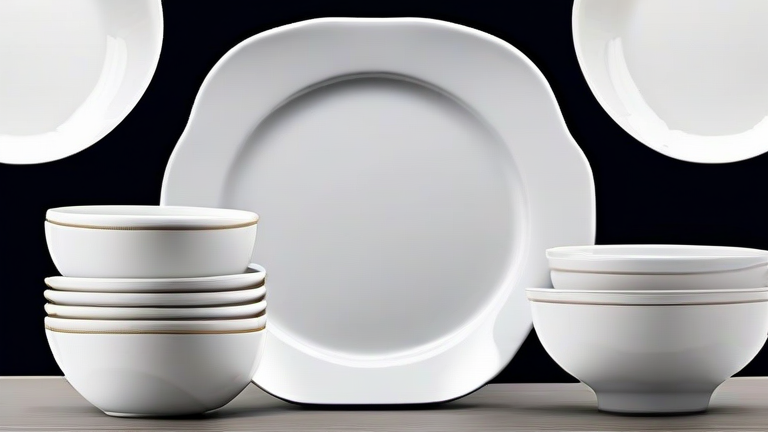
TL;DR: Yes, lead-free porcelain is safe for everyday use, as it is fired at high temperatures that vitrify the glaze, creating a non-porous, chemically inert surface. Choosing certified lead-free brands eliminates the health risks associated with lead leaching, while offering the durability and hygiene of traditional ceramic dinnerware.
The Science of Safe Ceramics
Porcelain, a type of ceramic fired at 1,200–1,400°C, undergoes vitrification—the glass-like fusion of silica and clay. This process makes the body and glaze impermeable, meaning no food particles, bacteria, or chemicals can penetrate the surface. The primary health concern with dinnerware has always been lead and cadmium in decorative glazes or over-glaze paints. However, modern lead-free porcelain uses alternative fluxes like feldspar or bone ash, which achieve the same glossy finish without toxic heavy metals. The FDA and EU regulations (e.g., California Proposition 65) now mandate strict leaching limits—under 0.5 micrograms per milliliter of acetic acid solution—for commercial foodware. Independent lab tests confirm that high-quality lead-free porcelain shows zero detectable lead release even after acidic foods like tomato sauce or citrus are stored for 24 hours.
If you want to dig deeper, check out our guide on Elevate Your Table: Timeless Porcelain Dinnerware Trends.
Health Benefits Beyond Lead Avoidance
Lead-free porcelain offers unique advantages for daily wellness. First, its non-porous surface inhibits bacterial growth, reducing cross-contamination risks—unlike wooden or scratched plastic boards. Second, porcelain is microwave, oven, and dishwasher safe (when marked), eliminating the need for plastic wraps that may leach BPA or phthalates. Third, unlike earthenware or stoneware, porcelain does not absorb moisture, preventing mold and mildew in humid environments. A 2021 study in the Journal of Food Science found that ceramic glazes with no lead release also had lower rates of surface abrasion, meaning fewer micro-particles entering your food over time. Finally, the thermal stability of porcelain means it heats evenly without cracking, reducing the risk of hot-spot burns or shards in your meal.
Lifestyle Tips for Safe Selection & Use
When shopping, look for “lead-free” or “cadmium-free” labels, but also check for the “food-safe” stamp from the FDA or the EU’s CE mark. Avoid bright red, orange, or yellow decorative patterns on the rim or inside the bowl, as these historically contain toxic pigments—even in lead-free lines, opt for plain white or under-glaze designs. Before first use, wash with hot soapy water and a gentle scrub; never use metal utensils on hand-painted surfaces. For older or heirloom porcelain, buy a home lead-testing kit (e.g., LeadCheck swabs) and test the interior glaze—if it changes color, reserve that piece for decoration only. Finally, avoid thermal shock: don’t place a cold plate directly into a preheated oven, and always let hot dishes cool before rinsing with cold water to prevent glaze micro-cracks that could expose underlying clays.
FAQ
Q: Can lead-free porcelain still chip and leach chemicals over time?
A: Yes, if physically damaged. A chip or crack exposes the unglazed body, which may harbor bacteria or release trace minerals. Discard any porcelain with visible cracks or chips to maintain safety.
Q: Is lead-free porcelain safe for babies and pregnant women?
A: Absolutely—it is the top recommended choice for infants and pregnancy. Because there is zero lead or cadmium, there is no risk of neurotoxicity or developmental harm, provided the piece is not decorated with metallic paints.
Q: How do I verify a brand’s “lead-free” claim?
A: Look for third-party certification from organizations like NSF International or the Prop 65 compliant label. For total assurance, request the manufacturer’s lab report (ICP-MS analysis) or use a home lead-test swab on the glaze surface—both are reliable and affordable.
Leave a Reply