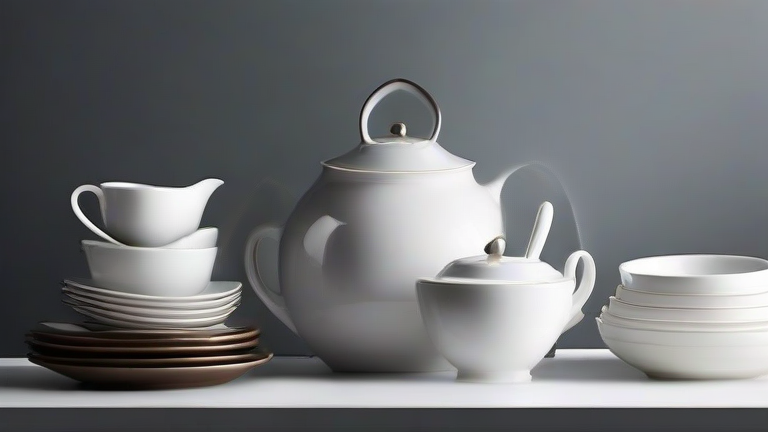
TL;DR: Porcelain dinnerware is generally safe for daily use because it is non-porous and resistant to leaching chemicals into food. However, always inspect pieces for cracks or chips, as damaged glazes can potentially release trace amounts of heavy metals.
The Science of Safe Porcelain
Porcelain is a type of fine ceramic made from kaolin clay, feldspar, and silica, fired at extremely high temperatures. This process creates a dense, vitrified material that is significantly different from stoneware or earthenware. Because the clay body is fully vitrified, porcelain has virtually zero porosity. This means liquids and food particles cannot penetrate the surface, preventing the growth of bacteria and mold within the material itself. Unlike plastic or low-quality melamine, porcelain does not contain Bisphenol A (BPA) or phthalates, making it a chemically inert choice for serving hot or acidic foods. Scientific studies consistently show that properly manufactured porcelain from reputable brands adheres to strict safety standards set by agencies like the FDA and the European Union regarding lead and cadmium leaching.
If you want to dig deeper, check out our guide on Porcelain Dinnerware Care: A Complete Cleaning & Maintenance.
Identifying Potential Risks
While high-quality porcelain is safe, the risk profile changes if the product is damaged or sourced from unregulated manufacturers. The primary concern with any ceramic dinnerware is the glaze. Older or poorly made glazed ceramics may contain lead or cadmium as part of the decorative pigments. If the glaze is intact, these metals remain locked in place. However, if the surface becomes scratched, chipped, or cracked, the protective barrier is compromised. This allows acidic foods, such as tomato sauce, citrus fruits, or vinegar-based dressings, to interact with the underlying material, potentially leaching heavy metals into your meal. Additionally, some very cheap, unbranded porcelain imports have been found to exceed safety limits for heavy metal content. Therefore, provenance matters. Buying from established brands that comply with international safety regulations minimizes this risk significantly. It is also wise to avoid using antique porcelain pieces with unknown origins for daily dining, reserving them for display purposes only.
Lifestyle Tips for Healthy Dining
To maximize the safety and longevity of your porcelain dinnerware, adopt a few simple maintenance habits. First, always inspect your plates and bowls before use. If you see any chips, cracks, or flaking glaze, retire that piece immediately. Do not attempt to repair structural damage with glue, as this is not food-safe. Second, wash porcelain in the dishwasher if it is marked as dishwasher-safe, as the high heat helps sanitize the surface. For hand washing, use mild dish soap and a soft sponge, avoiding abrasive scrubbers that can micro-scratch the glaze over time. Third, avoid extreme thermal shock. While porcelain is heat-resistant, plunging a piping hot plate into cold water can cause thermal stress, leading to hairline fractures. Allow hot dishes to cool naturally before washing. Finally, store your porcelain carefully. Use felt-lined racks or paper towel dividers to prevent pieces from knocking against each other, which is a common cause of glaze chipping. By treating your porcelain with care, you ensure a hygienic and safe dining experience for years to come.
FAQ
Q: Is porcelain microwave safe?
A: Yes, most plain porcelain is microwave-safe because it is non-reactive and does not contain metals. However, avoid microwaving pieces with metallic gold or silver rims, as this can cause sparks and damage the appliance.
Q: Can I use chipped porcelain for serving food?
A: No, you should not use chipped porcelain for serving food, especially acidic items. The chip exposes the underlying clay or glaze, which may leach lead or cadmium into your food, posing a health risk.
Q: How do I know if my porcelain is lead-free?
A: Look for certifications from recognized bodies like the FDA or California Prop 65 compliance labels on the packaging. Reputable brands usually state that their products are lead and cadmium-free. If you have old, unlabeled pieces, consider
Leave a Reply