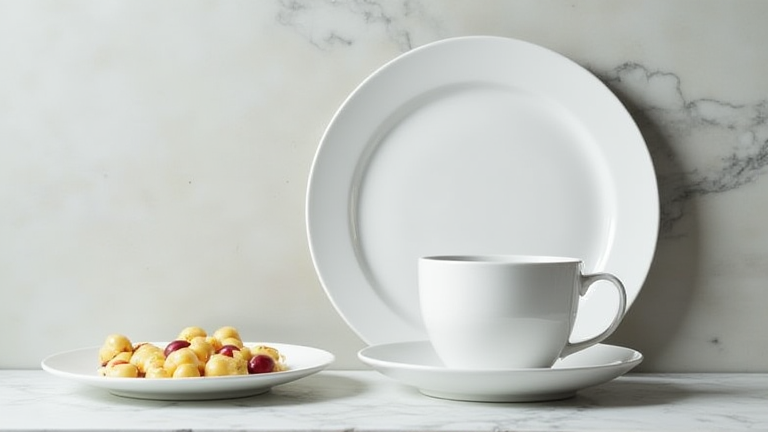
TL;DR: Porcelain dinnerware is generally safe for daily use because it is fired at extremely high temperatures, creating a non-porous surface that resists bacterial growth and leaching. While older or chipped pieces may contain lead or cadmium, modern, intact porcelain is chemically stable and offers a hygienic, durable alternative to reactive materials.
The Science of Safety and Stability
When evaluating the safety of household items, material composition is the primary factor. Porcelain is a type of ceramic made from fine kaolin clay, feldspar, and quartz, fired at temperatures exceeding 1,200 degrees Celsius. This extreme heat vitrifies the material, meaning it becomes glass-like and non-porous. Unlike lower-fired ceramics or stonewares, which may retain microscopic pores, true porcelain does not absorb liquids. This structural integrity is crucial for health, as it prevents moisture from penetrating the body of the dish, thereby inhibiting the growth of mold, mildew, and bacteria on the surface.
If you want to dig deeper, check out our guide on Elevate Your Dining: 10 Reasons to Choose Porcelain Dinnerwa.
Historically, concerns about porcelain safety have revolved around heavy metals like lead and cadmium, often used in older glazes for color and durability. However, modern regulations in the United States, Europe, and other major markets strictly limit the presence of these metals in food-contact ceramics. Reputable manufacturers adhere to these standards, ensuring that glazes are lead-free and cadmium-safe. For consumers, the key indicator of safety is the source: purchasing from established brands that explicitly label their products as “lead-free” and “dishwasher safe” significantly mitigates any risk. If you are using antique porcelain, particularly pieces from before the 1970s or those with vibrant, crackled glazes, it is advisable to test them with a lead swab or use them only for decorative purposes rather than food storage.
Health Benefits of Choosing Porcelain
Beyond mere safety, porcelain offers distinct hygiene benefits that contribute to overall wellness. Because the surface is impervious to staining, it does not harbor the odors and residues that can accumulate in porous materials like lower-grade stoneware or wood. This makes porcelain an excellent choice for individuals with allergies or sensitive immune systems, as there is no hidden reservoir for allergens or bacteria. Furthermore, porcelain is inert, meaning it will not react with acidic foods like tomato sauces or citrus-based dishes. This chemical stability ensures that the taste of your food remains pure and uncontaminated by off-flavors from the dishware itself.
From a lifestyle perspective, the durability of porcelain supports a sustainable wellness routine. High-quality porcelain is resistant to chipping and scratching, which extends its lifespan and reduces waste. By maintaining a robust set of dinnerware, you reduce the frequency of replacements, aligning with eco-conscious values that often correlate with broader health and wellness goals. Additionally, the aesthetic quality of porcelain can enhance the dining experience, encouraging slower, more mindful eating practices. Studies suggest that eating in a pleasant, visually appealing environment can improve digestion and satisfaction, making the choice of tableware a subtle but significant component of daily well-being.
Care Tips for Longevity and Safety
To maintain the safety and longevity of your porcelain dinnerware, proper care is essential. First, inspect your dishes regularly for chips, cracks, or crazing (fine cracks in the glaze). These defects can compromise the non-porous seal, allowing liquids to seep into the body of the ceramic where bacteria can thrive. If a piece is significantly damaged, it is best to retire it from food service and use it for decorative displays only. Avoid subjecting porcelain to thermal shock; while it is heat resistant, moving a dish from a hot oven directly to a cold surface can cause cracking. Always allow hot dishes to cool gradually before washing.
When cleaning, use mild detergent and a soft sponge. Avoid abrasive scrubbers that can scratch the glaze, as a damaged surface is less hygienic and more prone to retaining stains. Most modern porcelain is dishwasher safe, but hand washing is recommended for pieces with delicate gold or silver rims to prevent tarnishing. By following these simple maintenance steps, you ensure that your porcelain remains a safe, beautiful, and healthy
Leave a Reply