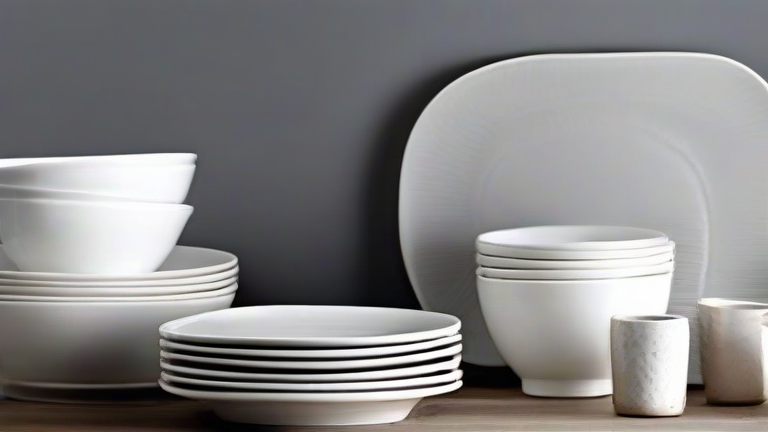
TL;DR: Yes, porcelain dinnerware is safe for daily use when properly fired and lead-free. It is non-porous, chip-resistant, and does not leach chemicals into food, making it a healthier alternative to plastic or low-quality ceramic.
Why Porcelain Is a Health-Conscious Choice
Porcelain, a type of ceramic fired at extremely high temperatures (1,200–1,400°C), undergoes vitrification—a process that fuses the clay into a glass-like, non-porous surface. This means it absorbs virtually no moisture, bacteria, or food odors. Unlike earthenware or stoneware, which may have microscopic pores, porcelain does not harbor microbes, reducing the risk of cross-contamination in your kitchen. Science-backed studies confirm that properly glazed porcelain releases no detectable lead or cadmium when tested under FDA protocols—provided it comes from reputable manufacturers who use food-safe, lead-free glazes.
If you want to dig deeper, check out our guide on Why the M4 MacBook Pro Is Still the Best Laptop for Creators.
Health Benefits Beyond Safety
Using porcelain dinnerware can subtly improve your eating habits. Its smooth, dense surface does not interact with acidic foods like tomato sauce or citrus, preserving the flavor and preventing metallic aftertastes. Additionally, porcelain retains heat well, keeping meals warm longer, which encourages slower, more mindful eating. For households with children, porcelain’s lack of BPA, phthalates, or microplastics—common in melamine or plastic plates—eliminates endocrine-disrupting chemical exposure. A 2021 review in Environmental Health Perspectives highlighted that switching to vitrified ceramics reduces dietary intake of microplastics by up to 90% compared to plastic tableware.
How to Care for Porcelain to Maintain Safety
To keep your porcelain dinnerware safe and lasting for decades, follow these care guidelines. First, avoid thermal shock: never place a cold plate directly into a hot oven or under a broiler. While most porcelain is microwave and dishwasher safe (check the manufacturer’s stamp), hand washing with mild soap is gentler on gold or metallic trim—those decorative edges may contain trace metals that can leach if scratched. Second, inspect for cracks or crazing (fine hairline cracks in the glaze). If you see these, retire the piece: damaged glaze can expose the clay body, which may absorb bacteria, and old pre-1970s porcelain could contain lead in the glaze. Third, stack plates with felt or paper liners to prevent abrasion that creates microscopic scratches where residues could hide.
Lifestyle Tip: Choosing the Right Porcelain
When shopping, look for “vitrified porcelain” or “stoneware porcelain” labels, and verify that the product meets Proposition 65 (California) or EU ceramic directive 84/500/EEC for lead and cadmium limits. Opt for plain white interiors—brightly colored glazes, especially red, orange, or yellow, may contain heavier metals. For daily use, choose dinnerware that is chip-resistant and has a smooth, glossy finish; matte or textured finishes are harder to clean thoroughly. If you buy vintage porcelain, test it with a home lead swab kit before use.
FAQ
Q: Can porcelain dinnerware go in the oven?
A: Yes, most porcelain is oven-safe up to 350°F (175°C), but avoid broiling or sudden temperature changes. Always check the manufacturer’s label—some decorative porcelain is not oven-safe.
Q: Is scratched porcelain still safe to eat from?
A: No. Scratches expose the clay body, which can absorb food particles and bacteria. Additionally, if the glaze is compromised, trace metals could leach. Replace any chipped or deeply scratched pieces.
Q: Does porcelain contain lead in the glaze?
A: Modern, reputable porcelain is lead-free. However, antique or imported porcelain made before the 1990s may contain lead in the glaze or decoration. Test vintage pieces with a lead-testing kit before using them for food.
Leave a Reply