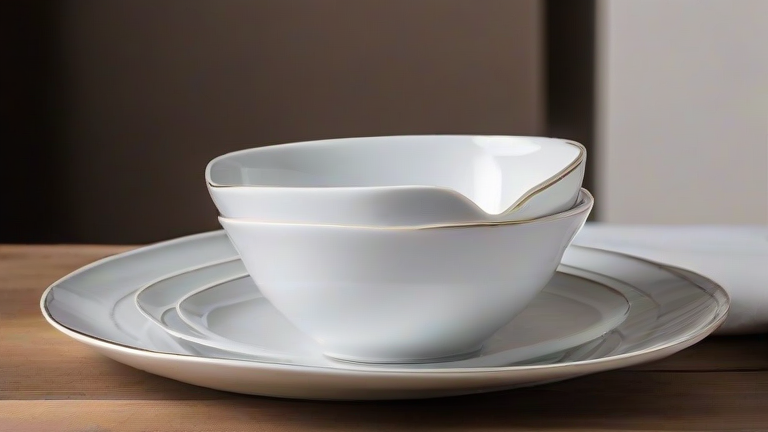
TL;DR: Porcelain dinnerware is generally considered safe and healthy for daily use, provided it is from reputable manufacturers that adhere to strict safety standards. The primary health risks, such as lead or cadmium leaching, are associated with low-quality, unglazed, or improperly fired pieces, not modern high-quality porcelain.
Understanding Porcelain Composition and Safety
Porcelain is a ceramic material made by heating a combination of raw materials, including kaolin, feldspar, silica, and quartz, to very high temperatures. This process creates a vitrified, non-porous surface that is stronger and more durable than standard stoneware or earthenware. Because the firing temperature is so high, the resulting material is chemically stable. For most consumers, this means that high-quality porcelain plates, bowls, and mugs do not leach harmful substances into food under normal usage conditions. The scientific consensus, supported by organizations like the FDA and the EU’s General Food Contact Materials Regulation, indicates that compliant porcelain is inert and safe for long-term use.
If you want to dig deeper, check out our guide on Elevate Your Dining: The Ultimate Guide to Porcelain Dinnerw.
The Lead and Cadmium Question
The most common concern regarding ceramic dinnerware is the potential presence of heavy metals, specifically lead and cadmium. These metals were historically used in glazes to create bright colors or to lower firing temperatures. In modern, regulated markets, the use of lead in food-contact ceramics has been largely banned or strictly limited. However, risks remain with imported, artisanal, or antique pieces that may have been manufactured without modern safety oversight. Lead exposure can cause serious neurological and developmental issues, particularly in children and pregnant women. Cadmium, while less common in standard white porcelain, can appear in decorative glazes. To mitigate these risks, consumers should avoid using decorative, brightly colored, or crackled-glazed ceramics for hot food and beverages, as heat and acidity can accelerate metal leaching. Stick to plain white or neutrally colored, high-fired porcelain for daily eating.
Lifestyle Tips for Healthy Dining
Adopting a few simple habits can ensure your porcelain remains safe and hygienic. First, always inspect your dishes before use. Avoid using porcelain with visible cracks or chips, as these imperfections can harbor bacteria and, in the case of older or lower-quality glazes, may allow glaze components to leach into food. Second, follow the manufacturer’s care instructions. While many modern porcelains are microwave and dishwasher safe, thermal shock can cause cracking. To prevent this, avoid moving dishes directly from the freezer to the oven or placing a cold dish on a hot stove. Third, choose products labeled “lead-free” or “cadmium-free” and look for certifications from recognized safety bodies. Finally, consider the source. Purchasing from established brands or those with transparent supply chains reduces the likelihood of encountering substandard materials. By prioritizing quality and maintaining your dinnerware properly, you can enjoy the aesthetic and functional benefits of porcelain without compromising your health.
FAQ
Q: Is white porcelain safer than colored porcelain?
A: Generally, yes. White porcelain is less likely to contain the heavy metals sometimes found in colored glazes used to achieve bright pigments. While both should be safe if manufactured correctly, white offers a lower risk profile regarding lead and cadmium leaching.
Q: Can I use chipped porcelain plates?
A: It is not recommended. Cracks and chips can harbor bacteria and mold, which are difficult to clean thoroughly. Additionally, if the glaze is damaged, it may expose the underlying clay or release glaze components into your food, posing a potential health risk.
Q: How can I test my porcelain for lead?
A: You can purchase a lead swab test kit from a hardware or online retailer. Rub the swab on the glaze; if it turns pink or red, it indicates the presence of lead. However, this test is not perfect and cannot detect all forms of contamination, so consulting a professional laboratory is the most accurate method if you have significant concerns.
Leave a Reply