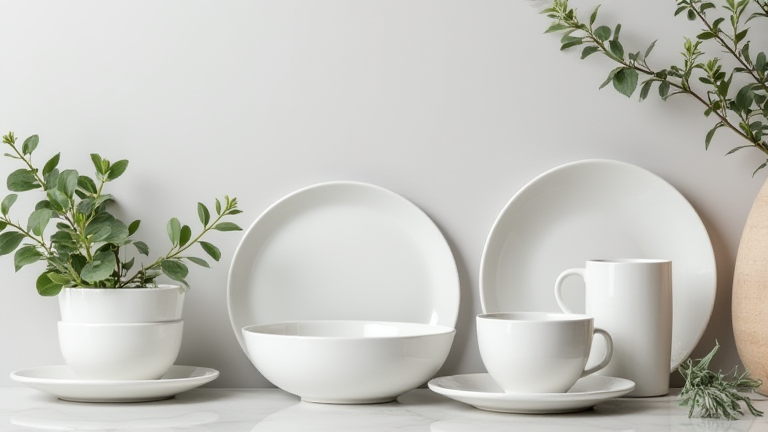
TL;DR: Care for porcelain by hand-washing with mild soap and soft sponges, avoiding thermal shock from sudden temperature changes, and stacking with protective padding between pieces. Always dry immediately and store in a dedicated, cushioned cabinet to prevent chips and crazing.
Step 1: Wash with the Right Technique
Fill a sink or basin with lukewarm water and a few drops of gentle, pH-neutral dish soap. Never use abrasive scouring pads, steel wool, or gritty cleansers—these will micro-scratch the glaze, making it dull and prone to staining. Wash each piece individually, using a soft microfiber cloth or sponge in a circular motion. For stubborn food residue, soak the item in warm, soapy water for 10 minutes before wiping. Avoid submerging gold-trimmed or hand-painted porcelain for long periods, as metallic accents can dissolve.
If you want to dig deeper, check out our guide on Is Porcelain Dinnerware Safe? Health Facts & Benefits.
Step 2: Rinse and Dry Immediately
Rinse thoroughly under warm running water to remove all soap residue. Then, dry each piece with a clean, lint-free towel right away. Letting porcelain air-dry causes water spots and mineral deposits, which can etch the glaze over time. For intricate patterns or raised details, use a soft-bristled brush (like a baby toothbrush) to gently dry inside crevices. Never stack wet plates or bowls—moisture trapped between surfaces encourages mold and micro-cracks.
Step 3: Avoid Thermal Shock at All Costs
Porcelain is vitrified but still sensitive to rapid temperature changes. Never place a cold plate into a hot oven, pour boiling water into a chilled mug, or transfer a hot dish directly onto a cold countertop. Always preheat or cool pieces gradually—for example, warm a cold serving bowl by rinsing it with lukewarm water before adding hot food. Similarly, after microwaving, let the item rest for 60 seconds before handling. Thermal shock is the #1 cause of invisible stress fractures that later become cracks.
Step 4: Store and Stack with Protection
When stacking plates, place a paper towel, felt pad, or thin cork liner between each piece. This prevents glaze-on-glaze friction, which causes “stacking marks”—scuffed, grey patches. For mugs and bowls, store them upright and never nest them without a soft barrier. Use a dedicated cabinet with padded shelves or rubber matting. Avoid hanging cups on hooks by their handles, as the weight stresses the handle joint. If you have a full service set, store the heaviest pieces at the bottom of the stack.
Step 5: Handle Stains and Scratches Safely
For tea or coffee stains, make a paste of baking soda and water, apply gently with a soft cloth, and rinse. For metal marks from cutlery, rub with a damp sponge dipped in a tiny bit of white vinegar—never bleach. If you notice a hairline crack, stop using the piece immediately; porous cracks can harbor bacteria and grow. For fine crazing (a network of tiny lines in the glaze), it’s cosmetic but can be reduced by avoiding extreme temperature shifts. Never use porcelain in a dishwasher unless it’s specifically labeled “dishwasher-safe”—most fine china is not.
FAQ
Q: Can I put porcelain dinnerware in the microwave?
A: Only if it lacks metallic trim or gold accents. Plain porcelain is microwave-safe, but always test a small piece first—heat for 30 seconds; if it gets hot to the touch, it’s not safe.
Q: How do I remove yellowing from old porcelain?
A: Mix equal parts water and white vinegar, soak for 15 minutes, then gently scrub with a soft cloth. For stubborn yellowing, use a specialized porcelain cleaner, but avoid any product with chlorine bleach.
Q: Is it okay to stack porcelain plates without padding if they’re glazed?
A: No. Even glazed surfaces can develop micro-scratches and gray marks from friction
Leave a Reply