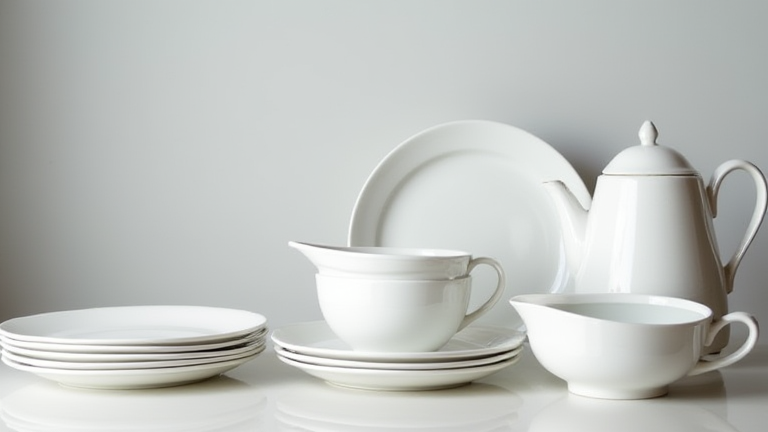
TL;DR: To care for porcelain dinnerware, hand wash pieces with delicate patterns using warm water and mild soap, reserving the dishwasher only for plain, high-quality stoneware or porcelain. Always avoid thermal shock by not moving hot plates directly into cold water to prevent cracking and preserve the glaze integrity.
Understanding Porcelain Durability
Porcelain is a unique type of ceramic material known for its high density and low porosity. This structure makes it stronger and more durable than earthenware or stoneware, but it is still susceptible to specific types of damage. Unlike other ceramics, porcelain can withstand high temperatures, making it ideal for oven use, but it is highly sensitive to sudden temperature changes. Understanding these properties is the first step in ensuring your dinnerware lasts for generations. By respecting the material’s physical limits, you protect the investment and maintain the aesthetic beauty of your collection. Proper care extends beyond simple cleaning; it involves handling, storage, and environmental considerations that prevent long-term wear and tear.
If you want to dig deeper, check out our guide on Safe & Stylish: Health Benefits of Porcelain Dinnerware.
Step-by-Step Cleaning Instructions
Begin by soaking any stubborn food residue in warm, soapy water for five to ten minutes. This softens dried-on particles without requiring aggressive scrubbing that could scratch the surface. Use a soft sponge or a cloth made of microfiber to gently clean the plates. Avoid abrasive pads, steel wool, or harsh chemical cleaners, as these can dull the glossy finish or etch the glaze. For gold or silver rimmed pieces, hand washing is mandatory. The high heat and acidic detergents used in dishwashers will strip metallic finishes rapidly. If you do choose to use a dishwasher for plain white porcelain, ensure the plates are loaded securely to prevent chipping from collision with other items. Place them on the top rack to minimize the risk of breakage from falling objects.
Expert Handling and Storage Tips
Thermal shock is the primary enemy of porcelain. Never place a hot plate directly under cold running water or into a freezer. Allow the item to cool to room temperature naturally before washing. When serving food, ensure there is a temperature difference of no more than two hundred degrees Fahrenheit between the plate and the food. For storage, avoid stacking plates too tightly. Use paper towels or felt dividers between each plate to prevent friction marks and accidental chipping. Store your dinnerware in a dry, climate-controlled environment. Humidity can sometimes affect older pieces, leading to crazing, which is the formation of fine cracks in the glaze. Regularly inspect your plates for signs of damage. If you notice hairline cracks, stop using that item immediately to prevent food from getting trapped, which can lead to bacterial growth and further structural failure.
Restoring Shine and Addressing Stains
Over time, porcelain may develop water spots or lose its luster. To restore shine, mix equal parts white vinegar and water. Dip a soft cloth in this solution and gently wipe the surface, then rinse thoroughly with clean water and dry with a lint-free towel. For tea or coffee stains that have penetrated the glaze, create a paste using baking soda and water. Apply the paste to the stained area, let it sit for thirty minutes, and then scrub gently with a soft brush. Always test any cleaning method on an inconspicuous area of the plate first to ensure it does not cause discoloration. Consistent care ensures that your porcelain remains a centerpiece of your dining experience, looking as pristine as the day it was purchased.
FAQ
Q: Can I put porcelain in the oven?
A: Yes, high-quality porcelain is generally oven-safe up to specific temperatures, but you should check the manufacturer’s guidelines to ensure it is rated for direct heat exposure.
Q: Why does my porcelain have fine cracks?
A: This is called crazing and is often caused by thermal shock or aging; while sometimes just cosmetic, it can harbor bacteria if food penetrates the cracks.
Q: How do I remove gold trim without damaging the plate?
A: You cannot remove gold trim without
Leave a Reply