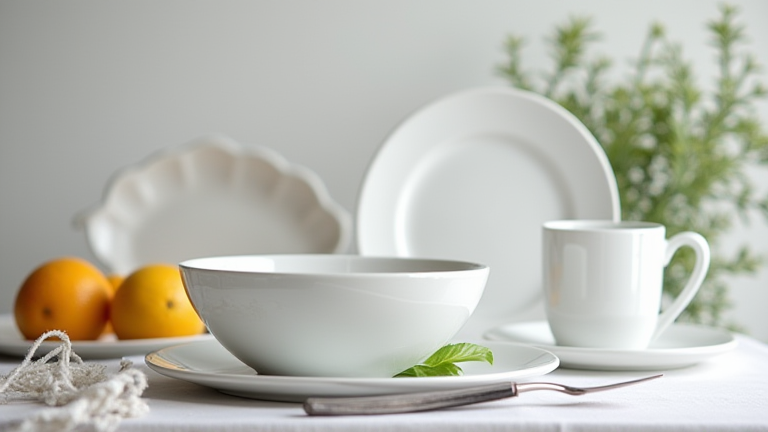
TL;DR: Yes, high-quality porcelain is generally safe for daily use because it is fired at extremely high temperatures, which vitrifies the material and prevents leaching of harmful substances. While low-quality or cracked pieces may pose minor risks, standard commercial porcelain does not release lead or cadmium into food under normal conditions.
The Science Behind Vitrification
Porcelain is distinct from other ceramics like stoneware or earthenware due to its manufacturing process. It is composed of kaolin clay, feldspar, and silica, which are fired at temperatures exceeding 1,200 degrees Celsius. At these extreme heat levels, the minerals fuse into a non-porous, glass-like structure known as vitrification. This dense matrix ensures that the material is impermeable to liquids and bacteria. Scientific consensus indicates that because the glaze is chemically bonded to the body of the ware during firing, there is no mechanism for heavy metals to leach into food or beverages, provided the glaze remains intact.
If you want to dig deeper, check out our guide on Why the Quiet Luxury Trend Is Driving Demand for Cashmere Kn.
Assessing Safety Standards
When evaluating the safety of your dinnerware, look for compliance with regulatory standards such as those set by the U.S. FDA or the European Union’s food contact material regulations. Reputable brands adhere to strict limits on lead and cadmium content. It is crucial to distinguish between “lead-free” marketing claims and actual safety certifications. Lead-free porcelain means the glaze does not contain added lead, but this does not automatically guarantee the absence of other heavy metals if the clay source is contaminated. However, modern industrial porcelain manufacturing uses highly refined clays that have been tested for purity, making them exceptionally safe for long-term use.
Lifestyle Tips for Longevity
To maintain the safety and aesthetic quality of your porcelain collection, adopt specific care routines. First, avoid sudden temperature changes, as thermal shock can cause micro-cracks that may eventually lead to visible fractures. While microwave-safe porcelain is common, it is best to avoid heating empty plates, as this can cause uneven expansion. Second, inspect your dishes regularly. If a piece is chipped or has a hairline crack, it is recommended to remove it from active service. Cracks can harbor bacteria and, in rare cases involving older or unknown origin wares, could potentially allow trace elements to interact with acidic foods like tomato sauce or citrus.
Maintenance and Cleaning
Hand washing is often recommended for preserving the integrity of delicate porcelain, particularly those with gold or silver accents, which can degrade under harsh dishwasher detergents. If you use a dishwasher, select a gentle cycle and use a mild, non-abrasive detergent. Avoid stacking heavy items directly on top of porcelain plates, as the material, while strong, can chip under significant impact. By treating your porcelain with care, you ensure it remains a hygienic and safe component of your daily meals for years to come.
FAQ
Q: Is porcelain better than melamine for health reasons?
A: Porcelain is generally considered safer for long-term health because it is inert and does not degrade over time, whereas melamine can potentially leach formaldehyde when exposed to high temperatures or acidic foods.
Q: Can I microwave porcelain plates?
A: Most modern porcelain is microwave-safe, but you should check the manufacturer’s label. Avoid microwaving porcelain with metallic trims, such as gold or silver edges, as this can cause sparks and damage the appliance.
Q: What should I do if my porcelain dish is chipped?
A: It is best to stop using the chipped dish for serving food. While the chip itself is rarely toxic, it can accumulate bacteria and may worsen over time, leading to larger breaks that compromise the structural integrity of the plate.
Leave a Reply