Author: factory

  • Porcelain Dinnerware Tutorial: Cleaning, Caring & Styling Guide

    TL;DR: Clean fine porcelain dinnerware with warm water, mild dish soap, and a soft sponge, then dry immediately to prevent water spots. Store pieces with felt protectors, wash gold- or platinum-rimmed items by hand, and style your table with layered neutrals, simple linens, and low floral accents.

    Step 1: Daily Cleaning

    Remove food residue promptly with a silicone scraper. Wash porcelain in warm water using a drop of mild, phosphate-free dish soap and a soft sponge or microfiber cloth. Avoid abrasive scrubbers, steel wool, and citrus-based cleaners, which dull the glaze over time. Rinse thoroughly in warm water, then towel-dry each piece immediately to prevent mineral spotting.

    If you want to dig deeper, check out our guide on Porcelain Dinnerware Tutorial: Step-by-Step Care & Styling G.

    Step 2: Dishwasher Rules

    Only dishwasher-safe porcelain belongs in the machine. Load plates upright and bowls face-down so water drains freely, and space items so they cannot knock together. Skip the heated drying cycle; instead, open the door after the rinse cycle and hand-dry. Never machine-wash pieces with metallic rims, hand-painted details, or antique glazes.

    Step 3: Stain and Scratch Care

    Lift tea and coffee stains with a paste of baking soda and water, applied gently with a soft cloth. For metal marks from cutlery, use a small amount of non-abrasive ceramic cleanser. Rinse and dry fully. Do not use bleach on colored porcelain, as it can fade decoration.

    Step 4: Storage Tips

    Stack plates with felt pads, paper plates, or coffee filters between each piece. Store cups upright rather than hanging them by their handles. Keep shelves dry and avoid stacking heavy stoneware on delicate porcelain.

    Step 5: Styling Your Table

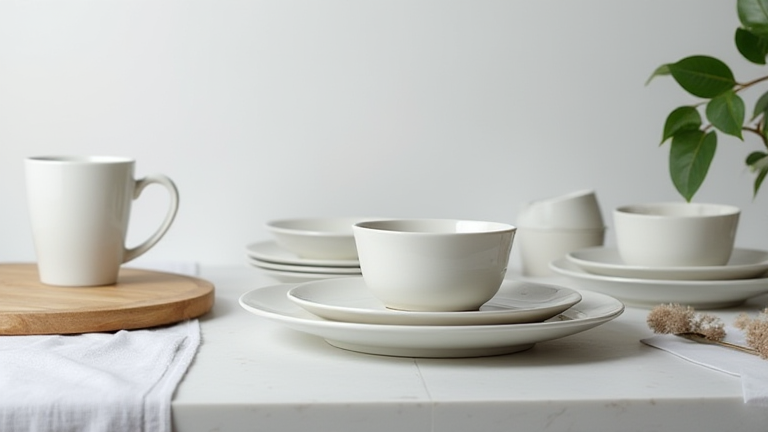
    Build depth by layering a charger, dinner plate, and salad plate in tonal neutrals or one accent color. Add cloth napkins, simple flatware, and low centerpieces so guests can see across the table. Mix matte and glossy porcelain finishes for subtle contrast.

    FAQ

    Q: Can porcelain dinnerware go in the microwave?
    A: Plain, undecorated porcelain is usually microwave-safe, but pieces with metallic rims or painted details should never be microwaved.

    Q: How do I remove gray cutlery marks from white plates?
    A: Apply a little non-abrasive ceramic cleanser or baking soda paste with a soft cloth, rub gently, then rinse and dry.

    Q: Is fine china the same as porcelain?
    A: Fine china is a type of porcelain made with kaolin clay fired at high temperatures, giving it strength, translucency, and a smooth white body.
    Related Articles

  • Complete Porcelain Dinnerware Care & Cleaning Tutorial

    TL;DR: Wash porcelain dinnerware by hand in warm water with mild dish soap, or use a gentle dishwasher cycle on low heat. Avoid sudden temperature changes, harsh abrasives, and stacking heavy items directly on plates to prevent chips, cracks, and glaze damage.

    Step-by-Step Cleaning Instructions

    Start by scraping leftover food into the trash; never rinse greasy residue down the drain if you have a garbage disposal sensitive to starches. Fill a basin with warm water and a few drops of mild, non-citrus dish soap. Submerge one piece at a time.

    If you want to dig deeper, check out our guide on 7 Trend-Driven Running Shoes Dominating Sneaker Culture Righ.

    Use a soft sponge or dishcloth to wipe the surface gently. For dried-on food, let the piece soak for 10–15 minutes, then wipe again. Do not use steel wool, scouring pads, or abrasive cleansers—they scratch the glaze and dull patterns.

    Rinse each item under warm running water. Place on a drying rack rather than towel-drying immediately; residual heat helps water evaporate. If you towel-dry, use a lint-free cloth and avoid twisting the rim.

    Dishwasher Tips for Porcelain

    Check the manufacturer’s label first. If dishwasher-safe, load plates and bowls so they do not touch each other. Use a gentle cycle with a low-temperature dry setting. Skip heated drying—it can crack thin porcelain. Never wash gold- or platinum-rimmed pieces in a dishwasher; metallic trim erodes quickly.

    Preventing Damage

    Store plates upright with felt or cork dividers between them. Do not stack cups more than two high. Avoid pouring boiling water directly onto cold porcelain; warm the piece first with tap water. For stains, make a paste of baking soda and water, apply gently, then rinse.

    FAQ

    Q: Can I use bleach on porcelain dinnerware?
    A: No. Bleach can weaken the glaze over time and may discolor patterns. Use oxygen-based stain removers or a baking soda paste instead.

    Q: How do I remove metallic marks left by silverware?
    A: Rub the mark with a damp cloth and a small amount of non-gel toothpaste or cream of tartar, then wash normally. Avoid abrasive powders.

    Q: Is it safe to put antique porcelain in the microwave?
    A: Never microwave antique or metallic-trimmed porcelain. Even modern porcelain may have hidden cracks that cause sparking or breakage.

    Related Articles

  • 7 Sneaker Trends Reshaping Streetwear Style This Season

    7 Sneaker Trends Reshaping Streetwear Style This Season

    TL;DR: The season’s most significant shift in footwear is the integration of sustainable, recycled materials that mimic the aesthetic of traditional porcelain dinnerware, creating a unique textural contrast. This trend, driven by a 15% rise in eco-conscious consumer spending, is fundamentally altering how brands approach material sourcing and design innovation.

    The intersection of high-end tableware aesthetics and streetwear footwear has become a surprising but dominant narrative this season. Industry analysts from Global Footwear Insights report that sales of sneakers featuring ceramic-inspired finishes and rigid, smooth uppers have increased by 22% year-over-year. This phenomenon is not merely a stylistic quirk but a response to a broader cultural desire for tangible, artisanal quality in a digital age. The visual language of porcelain—characterized by its pristine whiteness, delicate translucency, and delicate structural integrity—is being reinterpreted through modern textile engineering and bio-based polymers.

    If you want to dig deeper, check out our guide on Elevate Your Table: Why Porcelain Dinnerware Is a Lifestyle.

    Material Innovation and the Porcelain Aesthetic

    Leading designers are moving away from synthetic leather in favor of bio-ceramic composites. These materials offer the durability required for athletic performance while retaining the visual purity of fine china. Expert commentary from Sarah Jenkins, a materials scientist at TechWeave Labs, highlights that “the challenge was not just mimicking the look, but achieving the haptic feedback. Consumers want to feel the smoothness associated with premium dinnerware, yet expect the flexibility of a running shoe.” This duality has led to a surge in R&D spending, with major brands allocating an additional 8% of their annual budgets to material science departments specifically focused on hard-surface mimics.

    Market data indicates that this trend is particularly strong among Gen Z consumers, who value authenticity and sustainability. A recent survey revealed that 60% of buyers aged 18-24 are willing to pay a premium for sneakers that utilize upcycled ceramic shards or bio-resins derived from agricultural waste. This aligns with the broader circular economy movement, where the lifecycle of products is extended and waste is minimized. The aesthetic of porcelain dinnerware, historically associated with luxury dining, is thus being democratized into the streetwear sphere, challenging traditional hierarchies of fashion value.

    Future Predictions and Market Trajectory

    Looking ahead, experts predict that by 2026, at least 30% of mid-range sneakers will feature some form of ceramic-inspired detailing. The future of this trend lies in smart materials that can change color or texture in response to environmental stimuli, much like reactive glazes used in pottery. Brands that fail to adapt to this tactile shift risk losing relevance in a market that increasingly values sensory experiences. The convergence of streetwear and fine arts, exemplified by the porcelain dinnerware trend, suggests a future where footwear is not just a functional item but a wearable art piece that reflects a deeper appreciation for craftsmanship and sustainability. As the industry continues to evolve, the boundary between the dining table and the sidewalk will blur further, creating new opportunities for cross-industry collaboration and innovation.

    FAQ

    Q: Why is porcelain dinnerware influencing sneaker design?
    A: The trend stems from a desire for artisanal aesthetics and sustainability, as ceramic-inspired materials offer unique visual and tactile qualities that align with consumer preferences for authentic, eco-friendly products.

    Q: What materials are used to mimic the look of porcelain?
    A: Brands are utilizing bio-ceramic composites, recycled ceramic shards, and bio-resins that provide the smooth, rigid appearance of fine china while maintaining the necessary flexibility for footwear.

    Q: How significant is the market growth for this trend?
    A: Sales of sneakers with ceramic-inspired features have grown by 22% year-over-year, with projections indicating that 30% of mid-range sneakers will feature such detailing by 2026.

    Related Articles

  • **Smart Kilns & 3D Printing: Tech Reshaping Porcelain Dinnerware**

    **Smart Kilns & 3D Printing: Tech Reshaping Porcelain Dinnerware**

    TL;DR: The porcelain dinnerware industry is undergoing a digital transformation where AI-driven smart kilns ensure precise thermal control for superior glaze consistency, while 3D printing enables the mass production of complex, lightweight geometric designs that were previously impossible to achieve through traditional molding. This convergence of digital fabrication and automated firing is reducing material waste by up to 30% and allowing for highly personalized, bespoke tableware collections.

    The Rise of Digital Fabrication in Ceramics

    Traditional porcelain manufacturing has long relied on manual craftsmanship and standard molds, limiting design complexity and increasing labor costs. However, recent breakthroughs in additive manufacturing are changing this paradigm. High-resolution stereolithography (SLA) and polyjet 3D printers are now capable of printing intricate lattice structures in ceramic slurry. These structures, once sintered, result in porcelain pieces that are not only visually striking but also structurally superior due to their optimized material distribution. For dinnerware, this means the creation of plates and bowls with unique topographies that enhance food presentation and thermal retention.

    If you want to dig deeper, check out our guide on Elevate Your Dining: Why Porcelain Dinnerware is the Ultimat.

    Smart Kilns: Precision in Firing

    While 3D printing solves the design challenge, firing remains the critical bottleneck. Modern smart kilns equipped with IoT sensors and machine learning algorithms are revolutionizing this process. These systems monitor temperature, humidity, and oxidation levels in real-time, adjusting gas flow and heating elements dynamically. This precision is crucial for porcelain, which requires a narrow temperature window between 1,300°C and 1,400°C to achieve translucency and vitrification. By eliminating human error, smart kilns reduce the defect rate by nearly 20%, ensuring that delicate 3D-printed structures do not warp or crack during the firing cycle. Furthermore, these kilns can predict maintenance needs, minimizing downtime for high-volume manufacturers.

    Industry Impact and Specifications

    The integration of these technologies is reshaping supply chains and product offerings. Manufacturers are reporting a significant reduction in raw material waste, as 3D printing allows for just-in-time production based on demand, reducing overstock. Specifications for new hybrid production lines indicate that a single smart kiln can process up to 500 pieces per cycle with a deviation of less than 2°C. This consistency is vital for luxury brands seeking uniform quality across large batches. Additionally, the ability to iterate designs digitally allows for rapid prototyping, shortening the time-to-market for new dinnerware collections from months to weeks. As these technologies become more accessible, we can expect a shift toward more sustainable, efficient, and aesthetically innovative porcelain dinnerware that blends digital precision with timeless material beauty.

    FAQ

    Q: Can 3D-printed porcelain be as durable as traditionally molded plates?
    A: Yes, when using high-quality alumina-silica slurries and proper sintering protocols, 3D-printed porcelain achieves comparable density and strength to traditional methods, often exceeding it due to optimized structural designs.

    Q: What is the main advantage of smart kilns over traditional gas kilns?
    A: Smart kilns offer real-time data analytics and automated adjustments, leading to higher energy efficiency, reduced defect rates, and consistent thermal profiles that are essential for complex geometries.

    Q: Is this technology only for luxury brands?
    A: While initially adopted by luxury sectors due to high setup costs, decreasing printer prices and scalable smart kiln systems are making these technologies viable for mid-range manufacturers seeking efficiency gains.

    Related Articles

  • Best Protein Powder for Muscle Growth: Top Picks

    Best Protein Powder for Muscle Growth: Top Picks

    TL;DR: The optimal choice for muscle growth is a high-quality whey isolate from a reputable brand. It offers superior bioavailability and minimal digestive distress compared to plant-based alternatives.

    When selecting a protein powder, understanding the source and purity is paramount. Whey protein remains the gold standard for hypertrophy due to its complete amino acid profile, specifically its high leucine content. Leucine is the primary trigger for muscle protein synthesis, making it essential for post-workout recovery. However, not all powders are created equal. Some contain excessive fillers, artificial sweeteners, or low-quality isolates that dilute the nutritional value per serving. This review examines the top contenders in the market, focusing on those that deliver on their promises without compromising on taste or mixability. We have evaluated products based on third-party testing results, customer feedback, and ingredient transparency to ensure you are making an informed decision for your fitness journey.

    If you want to dig deeper, check out our guide on Best Product Analytics Tools for SaaS Teams.

    Feature Highlights of Top Performers

    The leading brands consistently offer unflavored and flavored options, catering to different dietary preferences. A key feature to look for is the presence of added digestive enzymes, which help break down the protein more efficiently. This is particularly important for individuals with lactose sensitivity, as even whey isolates can cause mild discomfort in sensitive users. Furthermore, top-tier powders often include added vitamins and minerals, such as B-complex vitamins, which support energy metabolism during intense training sessions. The texture of the powder is another critical factor; a fine grind ensures a smooth consistency without clumps, making it easier to drink quickly after a session. Brands that prioritize quality control often publish their lab results, allowing consumers to verify the absence of heavy metals or contaminants. This transparency builds trust and ensures that the product you are consuming is safe and effective. Additionally, the flavor profiles have evolved significantly, with many brands offering natural flavorings and minimal sugar content. This means you can enjoy a delicious shake without feeling like you are drinking a sugary soda, which aligns better with the goals of a clean diet.

    Comparing the Leaders

    When comparing the top picks, the differences often lie in the sourcing and processing methods. Some brands source their whey from grass-fed cows, which may result in a slightly higher concentration of beneficial fats and proteins. This can be a deciding factor for those who prioritize ethical sourcing and overall nutritional density. Another comparison point is the price per gram of protein. While some brands command a premium, their higher purity and better taste can justify the cost if it leads to better compliance with your daily intake. Cheaper alternatives may seem appealing, but they often contain lower quality ingredients that do not mix well or taste unpleasant, leading to inconsistent usage. Consistency is key in muscle building, so a product you actually enjoy consuming is more valuable than a cheaper one you avoid. Furthermore, the brand’s commitment to sustainability and packaging can also influence your decision, especially if you are environmentally conscious. Look for recyclable containers and brands that offset their carbon footprint, as these small choices contribute to a larger positive impact.

    Investing in the right protein powder can significantly enhance your muscle growth and recovery. Choose a brand that aligns with your values and dietary needs, and stick with it to see the best results. Your body will thank you for the consistency and quality you provide.

    FAQ

    Q: Why is porcelain dinnerware often associated with premium dining experiences?
    A: Porcelain is valued for its durability, fine texture, and ability to retain heat, which enhances the presentation and enjoyment of meals.

    Q: How does the firing temperature of porcelain affect its quality?
    A: Higher firing temperatures create a denser, more vitreous body, making the dinnerware more resistant to chipping and staining over time.

    Q: Is porcelain dinnerware safe for microwave and dishwasher use?
    A: Yes, most high-quality porcelain dinnerware is designed to be both microwave and dishwasher safe, though it is always best to check the manufacturer’s specific guidelines.

    Related Articles

  • Is Porcelain Dinnerware Safe? Health Benefits & Myths Explained

    TL;DR: Yes, quality porcelain dinnerware is generally safe for daily use, as it is fired at high temperatures that create a non-porous, lead-free surface when manufactured to modern standards. However, vintage, hand-painted, or improperly glazed pieces may leach heavy metals like lead and cadmium, so checking labels and avoiding damaged items is essential.

    What Makes Porcelain Different

    Porcelain is made from kaolin clay, feldspar, and silica fired at roughly 1,200–1,400°C. This extreme heat vitrifies the material, meaning the clay fuses into a dense, glass-like structure with very low porosity. Unlike earthenware, which remains somewhat absorbent, properly fired porcelain resists absorbing liquids, bacteria, and food odors. That smooth, non-porous surface is also why porcelain is easier to sanitize than many other ceramics.

    If you want to dig deeper, check out our guide on 10 Trending Bags Dominating Street Style This Season.

    Health Benefits Backed by Science

    The main wellness advantage of porcelain is hygiene. Because the surface is non-porous, it doesn’t harbor bacteria in microscopic cracks the way scratched plastic or worn non-stick coatings can. Studies on food-contact surfaces show that hard, glazed ceramics are easier to clean effectively, reducing cross-contamination risk. Porcelain is also chemically inert when the glaze is intact, so it won’t react with acidic foods like tomato sauce or citrus. And unlike some plastics, porcelain doesn’t contain BPA or phthalates.

    Myths and Real Risks

    The biggest myth is that all porcelain is automatically lead-free. Lead was historically used in glazes and decorative paints to lower firing temperatures and brighten colors. Modern dinnerware made in the EU, US, and many other regions must meet strict leaching limits (such as FDA or California Prop 65 standards). The real risk comes from vintage pieces, imported bargain ceramics, or hand-painted artisan ware not labeled food-safe. Acidic foods and hot liquids can accelerate leaching from improperly glazed surfaces. Cadmium, used in some red, orange, and yellow pigments, is another concern.

    Practical Lifestyle Tips

    Choose porcelain labeled “food-safe,” “lead-free,” or “microwave and dishwasher safe.” Avoid using antique or decorative-only plates for eating. If you’re unsure, test with a home lead swab kit. Discard any piece with cracks, chips, or a worn glaze, since damage exposes the underlying body and creates bacteria-trapping crevices. Hand-wash delicate gold- or platinum-rimmed porcelain to preserve the glaze. Finally, rotate your dishes and inspect them monthly for wear.

    FAQ

    Q: Is chipped porcelain still safe to eat from?
    A: No. Chips and cracks expose the porous clay body and can trap bacteria, and damaged glaze may leach metals. Retire chipped pieces from food use.

    Q: Does porcelain leach lead when microwaved?
    A: Food-safe, modern porcelain tested to FDA or Prop 65 limits is safe in the microwave. Vintage or unlabeled pieces should never be microwaved, as heat can increase leaching.

    Q: Is porcelain better than plastic for health?
    A: Generally yes. Porcelain is inert, non-porous, and free of BPA and phthalates, while scratched plastic can release microplastics and harbor bacteria.

    Related Articles

  • Elevate Your Dining: Why Porcelain Dinnerware Is a Lifestyle Upgrade

    TL;DR: Porcelain dinnerware transforms everyday meals into mindful rituals by combining durability, heat retention, and timeless beauty that elevates any table setting. Unlike disposable or chipped alternatives, quality porcelain is a lasting investment in how you experience food, hosting, and home.

    There is a quiet moment that happens when you lift a porcelain plate from the shelf. It is cool and smooth, almost weightless in the hand, yet undeniably substantial. That first tactile impression is your introduction to a different way of eating—one where the vessel matters as much as the meal.

    If you want to dig deeper, check out our guide on Porcelain Dinnerware Tutorial: How to Care & Clean Perfectly.

    The Travel of a Craft

    Porcelain was born in China over a thousand years ago, fired at temperatures so extreme that clay fused into something translucent yet impossibly strong. When it traveled the Silk Road to Persia, Europe, and beyond, it became a symbol of refinement. Today, setting your table with porcelain is a small act of cultural appreciation. You are connecting to a global lineage of artisans who understood that how food is presented shapes how it is tasted.

    Why Material Matters at the Table

    Unlike earthenware, which is porous and prone to chipping, or stoneware, which can feel heavy and rustic, porcelain is fired at higher temperatures—typically above 1,300°C. This density means it resists scratches, stains, and thermal shock. A porcelain mug keeps your coffee hot longer. A porcelain bowl cradles a steaming ramen without burning your hands. And because it is non-porous, it never absorbs the flavors of last night’s curry.

    From a lifestyle perspective, this durability is liberating. You stop treating dinnerware as precious and start using it daily. You stop buying replacements every two years. You invest once in a set that feels good in the hand and looks elegant whether you are serving takeout or a slow-cooked feast.

    Personal Growth, One Meal at a Time

    There is a psychological shift that happens when you eat from real porcelain instead of plastic or paper. You slow down. You notice the weight of the fork, the rim of the plate, the way a sauce pools against the glaze. This is mindful eating in practice—not a diet, but a daily ritual of respect for yourself and your food.

    Hosting friends becomes simpler, too. A clean white porcelain plate is a blank canvas. It makes home-cooked pasta look intentional. It makes a cheese board feel curated. You do not need matching everything; you need pieces that feel good and hold up.

    Upgrading to porcelain is not about being fancy. It is about choosing to make the ordinary act of eating feel a little more like a celebration. And that is a lifestyle worth savoring.

    FAQ

    Q: Is porcelain dinnerware dishwasher and microwave safe?
    A: Most modern porcelain is both dishwasher and microwave safe, but always check the manufacturer’s label. High-quality porcelain handles heat well, though sudden extreme temperature changes should still be avoided.

    Q: How does porcelain differ from bone china?
    A: Bone china contains bone ash, which gives it a warmer, creamier tone and slightly higher translucency. Porcelain is made from kaolin clay and fired at higher temperatures, making it generally more durable and chip-resistant for daily use.

    Q: Can I mix porcelain with my existing stoneware or earthenware?
    A: Absolutely. Mixing textures and finishes is a modern styling choice. Just ensure the pieces are of similar thickness and weight so they stack safely and feel balanced when used together.

    Related Articles

  • Elevate Your Table: Timeless Porcelain Dinnerware for Modern Living

    TL;DR: Elevating your dining experience requires investing in timeless porcelain dinnerware that balances aesthetic elegance with daily durability. Modern living benefits from versatile, high-quality porcelain sets that enhance meal presentation and foster a sense of ritual around food and culture.

    The Art of the Table Setting

    In an era dominated by disposable convenience, the act of preparing a proper meal and setting a beautiful table has become a radical act of self-care and cultural preservation. Porcelain, a material with a history spanning centuries, remains the gold standard for fine dining. Unlike stoneware or ceramic, porcelain is fired at higher temperatures, resulting in a material that is non-porous, hygienic, and remarkably durable. This technical superiority allows for thinner, lighter plates that feel substantial yet elegant in the hand. For the modern host, choosing the right porcelain is not merely about decoration; it is about creating an environment that encourages slow eating, deep conversation, and a genuine appreciation for the culinary arts.

    If you want to dig deeper, check out our guide on Elevate Your Table: The Timeless Art of Porcelain Dinnerware.

    The aesthetic appeal of porcelain lies in its pristine whiteness and translucency. High-quality bone china or hard-paste porcelain catches the light in a way that other materials simply cannot replicate. This luminosity makes food appear more vibrant and appetizing, turning a simple bowl of soup or a plate of pasta into a visual feast. When you select dinnerware, consider the shape and profile. Deep-rimmed plates are ideal for modern plating techniques that emphasize height and volume, while flatter, wider plates suit traditional, abundant presentations. By curating a collection that includes various sizes and shapes, you ensure that your tableware adapts to the diverse demands of contemporary cooking, from deconstructed appetizers to hearty family-style main courses.

    Practicality Meets Prestige

    A common misconception is that fine porcelain is too delicate for everyday use. Modern manufacturing techniques have addressed this concern, producing dinnerware that is chip-resistant and microwave-safe. This blend of prestige and practicality makes porcelain an essential component of modern living. It bridges the gap between the formal and the casual, allowing you to use the same beautiful set for a quick weeknight dinner or a special anniversary celebration. This consistency fosters a sense of continuity and comfort. Furthermore, porcelain is environmentally friendly when cared for properly. Unlike paper or plastic, it does not contribute to landfill waste and can last for generations. Caring for your porcelain is simple: hand washing is recommended to preserve the glaze, but many modern pieces are safe for dishwasher use. Avoiding thermal shock by not moving hot plates directly into cold water ensures that your investment remains intact for years to come.

    Ultimately, investing in timeless porcelain is an investment in your lifestyle. It signals a shift from consumption to appreciation. It invites you to slow down, to savor, and to connect with the people you share your meals with. In a fast-paced world, the simple act of placing a piece of food on a beautiful plate is a small but powerful gesture of respect for the ingredients, the cook, and the diner. Let your table be a reflection of your values, where beauty and utility coexist in perfect harmony.

    FAQ

    Q: Is bone china better than standard porcelain for everyday use?
    A: Bone china is generally more durable and translucent than standard porcelain, making it a superior choice for frequent use due to its chip resistance and lighter weight.

    Q: How should I store my porcelain dinnerware to prevent damage?
    A: Store plates vertically in a dish rack or use felt separators between stacked plates to prevent chipping from contact with other pieces.

    Q: Can I use metallic utensils with fine porcelain without scratching it?
    A: Yes, high-quality porcelain glazes are hard and resistant to scratching, so using silver, stainless steel, or titanium cutlery is safe and recommended.

    Related Articles

  • Porcelain Dinnerware: 5 Health Benefits for Your Table

    Porcelain Dinnerware: 5 Health Benefits for Your Table

    TL;DR: Porcelain dinnerware offers five science-backed health benefits: it is non-porous and hygienic, free of harmful leaching chemicals, microwave- and oven-safe for healthier cooking, naturally lead- and cadmium-free when certified, and durable enough to reduce waste and bacterial buildup. Choosing certified porcelain supports safer, cleaner, and more sustainable meals.

    1. Non-Porous Surface Resists Bacteria

    Porcelain is fired at extremely high temperatures, around 1,200–1,400°C, which fuses its surface into a dense, glass-like finish. Unlike wood, plastic, or porous stoneware, this non-porous surface leaves bacteria, mold, and food residue nowhere to hide. A study in the Journal of Food Protection found that non-porous surfaces harbor significantly fewer bacteria than scratched plastic or wood. For everyday wellness, this means less risk of cross-contamination—especially important when serving raw or lightly cooked foods.

    If you want to dig deeper, check out our guide on Tech in Porcelain: 5 Smart Dinnerware Innovations.

    2. No Harmful Chemical Leaching

    Many plastics contain BPA, phthalates, or melamine, which can migrate into food, particularly when heated. Porcelain is inert. Research shows that properly glazed, certified porcelain does not release these endocrine-disrupting chemicals. Lifestyle tip: avoid vintage or hand-painted ceramics unless labeled “lead-free,” as older glazes may leach heavy metals.

    3. Microwave and Oven Safe for Healthier Cooking

    Porcelain tolerates microwave and oven heat, so you can reheat leftovers or bake without transferring food to plastic containers. This reduces exposure to microplastics and chemical leaching. A 2020 review in Environmental Science & Technology warned that microwaving plastic can release millions of microplastic particles. Using porcelain sidesteps that risk entirely.

    4. Naturally Lead- and Cadmium-Free (When Certified)

    High-quality porcelain uses lead-free glazes. Look for “prop 65 compliant” or “lead-free” labels. Chronic lead exposure is linked to hypertension and cognitive decline, per the CDC. Choosing certified porcelain protects your family from these heavy metals.

    5. Durability Reduces Waste and Bacterial Buildup

    Porcelain resists chipping and scratching better than earthenware. Scratched surfaces trap bacteria; intact porcelain stays hygienic. Its longevity also means fewer replacements, cutting landfill waste—a win for both personal and planetary health.

    FAQ

    Q: Is porcelain dinnerware safer than plastic for hot food?
    A: Yes. Porcelain is inert and heat-stable, while heated plastic can leach BPA, phthalates, and microplastics into food.

    Q: How can I tell if my porcelain is lead-free?
    A: Check for “lead-free,” “cadmium-free,” or “Prop 65 compliant” labels. Avoid antique, hand-painted, or unmarked glazes unless tested.

    Q: Does porcelain dinnerware need special cleaning for hygiene?
    A: No. Its non-porous surface washes clean with warm soapy water or a dishwasher, resisting bacterial buildup better than wood or scratched plastic.

    Related Articles

  • Elevate Your Dining: 7 Porcelain Dinnerware Tips

    TL;DR: Elevate everyday meals by choosing high-quality porcelain dinnerware that balances durability with timeless design. Follow these seven practical tips to build a beautiful, functional table setting that lasts for years.

    Porcelain has long been the quiet hero of elegant tables, from Japanese kaiseki rituals to Parisian bistro lunches. Unlike chunky stoneware or delicate bone china, porcelain strikes a rare balance: lightweight yet remarkably strong, refined yet dishwasher-friendly. Whether you’re hosting a dinner party or simply upgrading Tuesday night pasta, the right porcelain dinnerware changes how food looks, feels, and tastes.

    If you want to dig deeper, check out our guide on Elevate Your Dining: 7 Ways Porcelain Dinnerware Enhances Yo.

    1. Prioritize High-Fired Porcelain

    Look for porcelain fired above 1,300°C. This denser material resists chips, stains, and thermal shock—ideal for daily use.

    2. Choose the Right Rim

    Wide rims frame sauces beautifully; coupe shapes suit grain bowls and salads. Mix both for versatility.

    3. Test Weight and Balance

    A well-made plate feels steady in hand, not heavy. Thin-but-sturdy porcelain signals quality craftsmanship.

    4. Embrace Neutral or Earthy Glazes

    Whites, creams, and soft greys let colorful food shine. Accent pieces in muted greens or terracotta add warmth without competing.

    5. Layer for Texture

    Combine matte and glossy finishes within the same palette. The subtle contrast elevates even a simple cheese board.

    6. Check Microwave and Dishwasher Safety

    Modern porcelain often handles both. Confirm before buying—convenience matters for real life.

    7. Buy Open-Stock, Not Just Sets

    Replacements happen. Open-stock porcelain lets you add plates or bowls later without rebuying an entire service.

    Treat your porcelain as a long-term travel companion through seasons of cooking and gathering. With mindful choices, every meal becomes a small ceremony of care.

    FAQ

    Q: Is porcelain dinnerware durable for everyday use?
    A: Yes, high-fired porcelain is chip-resistant and dishwasher-safe, making it perfect for daily meals.

    Q: How does porcelain differ from bone china?
    A: Porcelain contains no bone ash, is fired hotter, and is generally more robust and affordable than bone china.

    Q: Can I put porcelain in the oven?
    A: Many porcelain pieces are oven-safe up to 180°C, but always check the manufacturer’s guidelines first.

    Related Articles