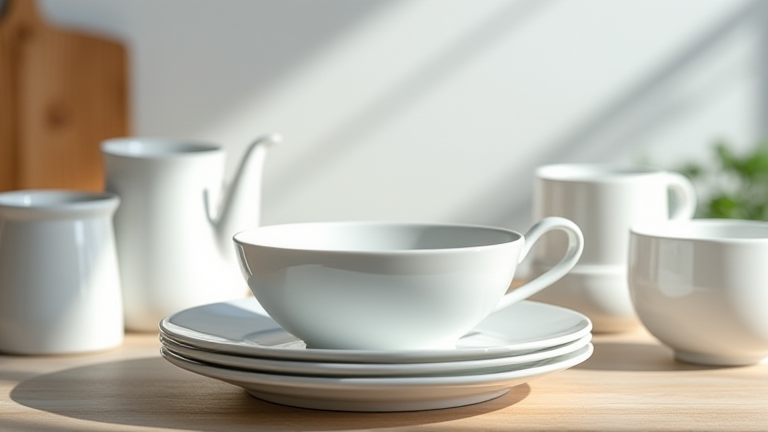
TL;DR: Most modern, high-quality porcelain dishes are safe for everyday use and do not leach harmful levels of lead or cadmium when properly manufactured. However, older or poorly regulated imports may contain toxic metals, so it is crucial to buy from reputable brands and avoid using non-food-safe decorative pieces for eating.
Understanding Porcelain Safety
Porcelain is a type of ceramic made from kaolin clay, feldspar, and quartz, fired at very high temperatures. This process creates a non-porous material that is inherently stable and resistant to bacterial growth. Unlike earthenware, which is porous and often requires a glaze that can contain heavy metals, high-fire porcelain is dense and generally inert. The primary concern among consumers is not the clay itself, but the glazes and decorative paints applied to the surface. These additives can sometimes contain lead, cadmium, or other heavy metals if they are not properly vitrified or if the manufacturer cuts corners to save costs.
If you want to dig deeper, check out our guide on Top 5 Tech Innovations Revolutionizing Porcelain Dinnerware.
The Role of Lead and Cadmium
Lead and cadmium are toxic heavy metals that have no beneficial role in human biology. In the context of dinnerware, the risk arises when acidic foods, such as tomato sauce, lemon juice, or vinegar-based dressings, come into contact with a porous or poorly fired glaze. This acid can dissolve trace amounts of metal, which then leaches into the food. Chronic exposure to lead can cause neurological damage, kidney issues, and developmental problems in children. Cadmium exposure can affect the kidneys and bones. However, regulatory standards in the United States, such as those from the FDA, and the European Union, such as REACH regulations, strictly limit the amount of these metals allowed to leach from food-contact surfaces. Compliant products must pass rigorous testing to ensure safety.
How to Choose Safe Porcelain
To ensure your dining experience is healthy, start by purchasing porcelain from reputable manufacturers who explicitly state that their products are lead-free and cadmium-free. Look for certifications or labels indicating compliance with FDA or EU standards. Avoid using decorative platters with bright, metallic, or hand-painted designs for serving food, as these are more likely to contain problematic glazes. If you are unsure about a piece’s origin or quality, use it for display only, not for eating. Additionally, never use chipped or cracked porcelain. The edges of a chip can expose the underlying clay or glaze, creating a pathway for potential metal leaching and harboring bacteria. Proper care, such as hand-washing or using gentle dishwasher cycles, helps maintain the integrity of the glaze over time.
Lifestyle Tips for Healthy Dining
Incorporating safe dishware into your lifestyle is simple. First, always inspect your plates before use. If you notice any wear, fading, or damage, replace the item immediately. Second, be mindful of what you serve on older or unknown ceramics. Avoid placing acidic foods on these surfaces. Instead, use them for dry foods or as decorative elements. Third, prioritize glass, stainless steel, or high-quality bone china for your daily meals, as these materials offer predictable safety profiles. By making informed choices, you protect your family’s health without sacrificing the elegance and beauty of fine porcelain. Remember that quality control is key; investing in well-made, certified dinnerware is a long-term investment in your well-being.
FAQ
Q: Is all porcelain lead-free?
A: No, not all porcelain is lead-free. While modern, high-fire porcelain is often safe, some low-fire ceramics or imported goods may use lead-based glazes. Always check for safety certifications.
Q: Can I microwave porcelain dishes?
A: Yes, most plain, white porcelain dishes are microwave-safe. However, avoid microwaving pieces with metallic trims, gold edges, or decorative patterns that may overheat or spark. Always look for a “microwave-safe” label.
Q: How do I test my old dishes for lead?
A: You can purchase over-the-counter lead test kits that use a chemical wipe to detect
Leave a Reply