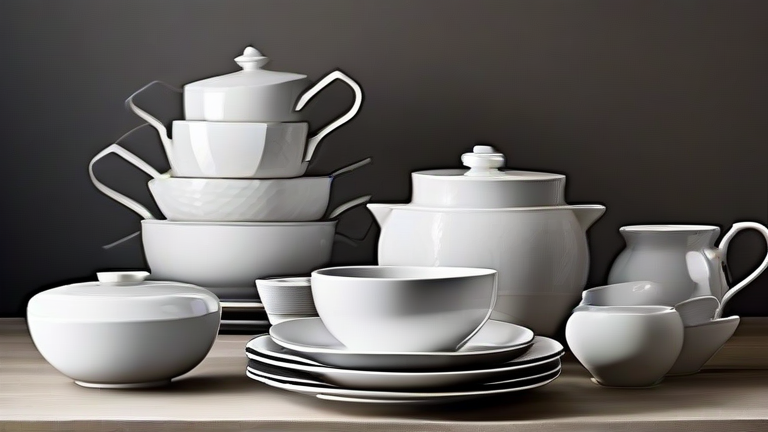
Porcelain Dinnerware Buying Guide: Expert Tips & Care
TL;DR: Choose high-quality porcelain by checking for a bright white ring when held up to the light and ensuring the ware is chip-resistant. Always hand wash your pieces and avoid thermal shock to maintain their pristine appearance and structural integrity for decades.
Understanding Porcelain Quality
Before purchasing, understand that not all “porcelain” is created equal. True porcelain is made from kaolin clay and fired at extremely high temperatures, resulting in a dense, non-porous surface. This distinguishes it from stoneware or earthenware, which are more porous and less durable. When shopping, look for pieces that feel heavy and solid. Lightweight porcelain often indicates thinner walls, which are more prone to chipping during daily use. Additionally, examine the glaze. High-quality porcelain features a smooth, glossy finish that is free from bubbles, cracks, or uneven spots. The glaze should flow seamlessly to the bottom of the piece, ensuring no unglazed clay is exposed where water or food might collect.
If you want to dig deeper, check out our guide on Elevate Your Table: 10 Ways Porcelain Dinnerware Redefines D.
Step-by-Step Selection Process
First, perform the “translucency test.” Hold a single plate up to a bright light source. Genuine porcelain will glow with a soft, bright white light, indicating its density and purity. If the light is dim or the plate appears grayish, it is likely a lower-grade material. Second, check the rim and edges. Look for any tiny cracks, crazing, or chips. Even minor imperfections can worsen over time, leading to complete breakage. Third, consider the design and functionality. Ensure the plates are microwave and dishwasher safe if that is your preference, though hand washing is always recommended for longevity. Verify that the set includes all necessary pieces, such as dinner plates, salad plates, bowls, and mugs, and that the patterns are consistent across all items. Mismatched patterns can indicate poor quality control during manufacturing.
Essential Care Instructions
Proper care is crucial to extending the life of your investment. Always hand wash your porcelain dinnerware using warm water and a mild, non-abrasive detergent. Avoid using steel wool or rough scouring pads, as these can scratch the glaze. When drying, use a soft, lint-free towel. Do not place hot dishes directly on cold surfaces or into a cold sink, as thermal shock can cause cracking. Similarly, avoid going from the freezer directly to a hot oven. If you must use a dishwasher, use a gentle cycle and ensure the racks are not overcrowded to prevent pieces from bumping into each other. Store your plates vertically in a cabinet with dividers, or stack them carefully with paper towels in between to prevent scratching. Regularly inspect your dinnerware for any new chips or cracks. If a piece is chipped, it is best to retire it from daily use to prevent bacterial growth in the damaged area and to avoid potential injury from sharp edges.
FAQ
Q: Is porcelain safe for microwaves and dishwashers?
A: Yes, most high-quality porcelain is safe for both, but hand washing is recommended to preserve the glaze and prevent chipping from collision with other dishes.
Q: How can I tell if my porcelain is genuine?
A: Genuine porcelain is translucent when held up to light, feels dense and heavy, and has a smooth, non-porous surface that does not absorb stains easily.
Q: What should I do if a plate develops a small chip?
A: You can use a food-safe epoxy to fill small chips, but it is best to stop using the item for eating to prevent further breakage and potential health risks from bacteria.
Leave a Reply