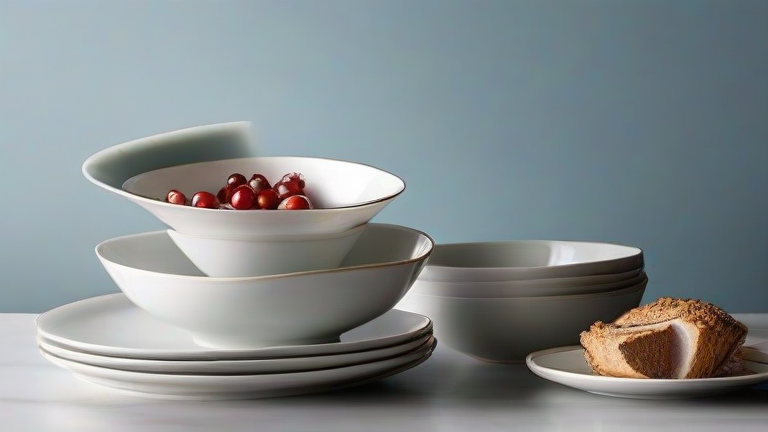
TL;DR: Porcelain dinnerware transforms everyday meals into a sensory ritual, blending durability with delicate artistry. Choosing quality porcelain elevates both the visual presentation and the mindful enjoyment of your food, turning a simple dinner into a cultural experience.
The Quiet Luxury of the Table
In a world of rushed takeout and disposable plates, the act of setting a table with porcelain is a quiet rebellion. It’s not just about eating; it’s about slowing down. Porcelain, fired at high temperatures, offers a unique combination of strength and translucency that stoneware cannot match. When you hold a fine porcelain bowl, you feel its cool, smooth surface—a tactile prelude to the meal. This is the art of elevation: choosing objects that demand presence.
From Kiln to Culture: A Traveler’s Lens
Think of porcelain as a travelogue for your palate. Originating in China over a thousand years ago, it traveled the Silk Road to Europe, where it became the “white gold” of royal courts. Each region—from Jingdezhen to Limoges to Denmark’s Royal Copenhagen—imprinted its own aesthetic: blue-and-white florals, minimalist Scandinavian lines, or hand-painted botanicals. By selecting a set that reflects a specific heritage, you’re not just buying plates; you’re inviting a piece of that culture onto your table. Pair a rustic Italian pasta with a hand-thrown porcelain bowl, and you’ve created a mini-journey without leaving your kitchen.
The Personal Growth of Mindful Dining
Using porcelain dinnerware daily is a practice in mindfulness. Unlike melamine or heavy ceramic, porcelain’s light weight forces you to handle it with intention. The gentle clink of a fork on a rim, the way a sauce pools in a shallow well—these micro-details anchor you to the moment. Studies in behavioral psychology suggest that the weight and texture of tableware affect perceived flavor; a thin, refined lip can make a simple soup taste more luxurious. This is personal growth through sensory awareness: you learn to savor not just the food, but the vessel that holds it.
Curating Your Collection
You don’t need a 12-piece set. Start with four dinner plates, four salad plates, and two serving bowls. Look for high-fired porcelain (over 1300°C) for chip resistance. Test the glaze: it should be glass-like, non-porous, and easy to clean. Mix vintage finds with modern pieces—a matte black plate beside a glossy white one creates depth. Remember: the goal is not perfection, but pleasure. Stack them visibly on open shelving; let their beauty remind you to cook more intentionally.
FAQ
Q: Is porcelain dinnerware safe for microwave and dishwasher use?
A: Yes, most high-quality porcelain is microwave-safe and dishwasher-safe, but avoid sudden temperature shocks (e.g., moving from freezer to oven). Check the manufacturer’s label; gold or metallic trims are not microwave-safe.
Q: How is porcelain different from bone china or stoneware?
A: Porcelain is fired hotter than stoneware, making it denser and more vitrified (glass-like). Bone china adds bone ash for extra whiteness and translucency, but it’s less chip-resistant. Porcelain offers the best balance of elegance and everyday durability.
Q: Can I mix porcelain patterns without looking messy?
A: Absolutely. Stick to a unifying element—same shape, same glaze sheen, or a shared color accent. For example, pair a white rimmed plate with a floral interior and a solid sage salad plate. The key is to limit to two patterns per table setting and keep the background neutral.
Leave a Reply