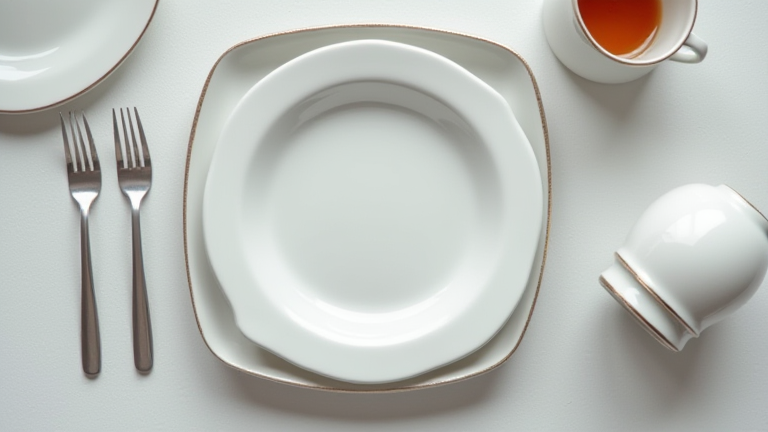
Is Porcelain Dinnerware Safe? 7 Health Facts You Need to Know
TL;DR: Yes, high-quality porcelain dinnerware is generally safe for daily use because it is made from non-toxic materials fired at high temperatures. However, you should always inspect plates for cracks and avoid using chipped items to prevent potential exposure to lead or cadmium from older, lower-quality glazes.
Porcelain has been a staple in dining settings for centuries, prized for its elegance, durability, and aesthetic appeal. Yet, concerns often arise regarding the safety of the materials used in its production, particularly concerning heavy metals. Understanding the science behind porcelain can help you make informed decisions about the dinnerware in your home. Here are seven critical health facts to consider.
If you want to dig deeper, check out our guide on Is Porcelain Dinnerware Safe? Health Benefits & Myths.
1. The Composition of True Porcelain
True porcelain is distinct from ceramic or stoneware. It is made from kaolin clay, feldspar, and quartz, fired at extremely high temperatures, typically above 2,300 degrees Fahrenheit. This process vitrifies the material, making it non-porous and highly durable. Because the structure is dense, it does not absorb liquids or food particles, which minimizes the risk of bacterial growth and chemical leaching compared to more porous alternatives.
2. Lead and Cadmium Concerns
The primary health concern with decorative porcelain is the presence of lead and cadmium, often used in vibrant glazes. Modern regulations in the United States, Europe, and Asia strictly limit the amount of these heavy metals allowed in food-contact surfaces. Reputable manufacturers adhere to these standards, ensuring that the glaze is stable and does not leach toxins into food. However, vintage or imported items from unknown sources may not meet these modern safety benchmarks.
3. Acidic Foods and Leaching
Even with safe glazes, the pH level of food can affect stability. Highly acidic foods, such as tomato sauce, citrus fruits, or vinegar-based dressings, can potentially increase the leaching of metals if the glaze is damaged or of poor quality. To mitigate this risk, it is best to avoid storing acidic foods in decorative porcelain bowls or plates for extended periods. For long-term storage, glass or stainless steel containers are safer alternatives.
4. Microwave Safety
Most modern porcelain is microwave-safe, but this depends on the presence of metallic accents. Gold, silver, or platinum rims can spark in a microwave, posing a fire hazard and potentially damaging the appliance. Always check the manufacturer’s instructions. If your porcelain lacks metallic decorations and is labeled microwave-safe, it can be used to heat food. However, avoid rapid temperature changes, as this can cause thermal shock and cracking.
5. Dishwasher Durability
Porcelain is generally dishwasher-safe, which is beneficial for hygiene. The high heat and detergent in dishwashers help sanitize the surface. However, the harsh detergents can sometimes dull the luster of the glaze over time. To maintain the integrity of the plate, use a gentle cycle and avoid placing delicate pieces directly against other hard items to prevent chipping.
6. Identifying Cracks and Chips
A chipped or cracked plate is a health hazard. Micro-fissures can harbor bacteria that are difficult to remove even with thorough washing. More importantly, cracks can expose the underlying clay body or lead to further degradation of the glaze. If you find a crack, discard the item immediately. Do not attempt to repair porcelain with epoxy or super glue, as these materials are not food-safe and can introduce harmful chemicals into your food.
7. Choosing Reputable Brands
When purchasing porcelain, look for brands that explicitly state compliance with local food safety regulations. Labels such as “lead-free” or “cadmium-free” are good indicators of quality. Additionally, buying from established retailers or directly from manufacturers with transparent supply chains reduces the risk of purchasing substandard products. Investing in high-quality porcelain ensures both longevity and safety for your household.
<h
Leave a Reply