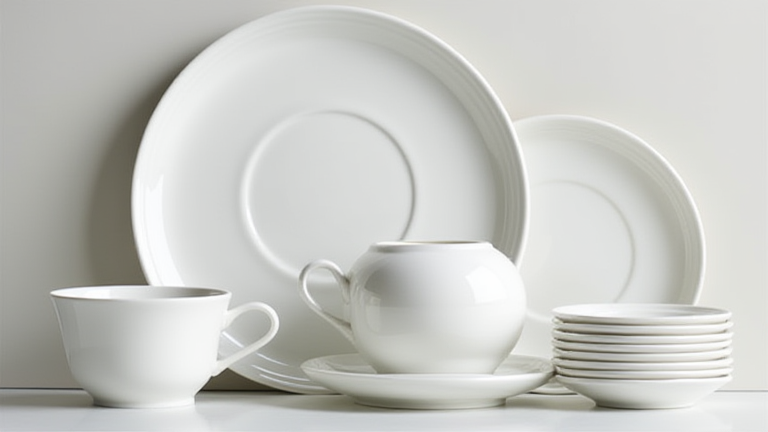
Beautiful Porcelain Dinnerware: A Beginner’s Care & Selection Guide
TL;DR: Choose high-quality, vitrified porcelain for durability and elegance, ensuring pieces are microwave and dishwasher safe for modern convenience. Care for your set by avoiding thermal shock, using gentle detergents, and stacking plates securely to prevent chipping over time.
Understanding Porcelain Quality
Before purchasing, understand that true porcelain is distinct from earthenware or stoneware. It is fired at extremely high temperatures, resulting in a dense, non-porous surface that is lighter and stronger. Look for brands that explicitly state their products are “vitrified.” This means the clay has been fully fused, making the plate resistant to staining and liquid absorption. High-end porcelain often has a translucent quality when held up to light, indicating superior firing precision. For beginners, starting with a core set of twelve place settings is ideal. This includes dinner plates, salad plates, and bowls. Avoid mixing patterns in your initial purchase to maintain a cohesive aesthetic. Solid white or neutral tones offer the most versatility, allowing you to change out napkins and table linens to create different moods without needing to buy new dishes.
If you want to dig deeper, check out our guide on Elevate Your Table: The Timeless Allure of Porcelain Dinnerw.
Selection Criteria for Beginners
When selecting a set, prioritize functionality alongside beauty. Check the manufacturer’s specifications regarding heat resistance. While most modern porcelains are microwave-safe, some with metallic gold or silver rims are not. If you plan to reheat food directly on your plates, ensure the rim is safe for microwave use. Additionally, verify dishwasher compatibility. Although porcelain is generally durable, delicate hand-painted designs or reactive glazes may degrade over time with harsh commercial detergents. Inspect the back of the plate; it should be smooth and free of sharp edges or uneven glazing. Uneven glazing can indicate poor manufacturing, which may lead to cracking later. Consider the weight of the plates as well. Lighter porcelain is easier to handle and store, but ensure it does not feel flimsy. A good balance provides a substantial feel without being cumbersome during serving.
Proper Care and Maintenance
Proper care extends the life of your investment. Never subject porcelain to thermal shock. Do not move a hot plate directly from the oven to a cold sink or refrigerator. Allow dishes to cool naturally to room temperature before washing. This prevents micro-cracks that can expand over time. When washing by hand, use a soft sponge and mild dish soap. Avoid abrasive scouring pads, which can scratch the glaze. If using a dishwasher, use a rack that provides adequate spacing to prevent plates from touching. Overcrowding can cause chips and scratches. Dry plates immediately after washing to prevent water spots, especially if your water is hard. Store your dinnerware vertically in a cabinet with dividers, or stack them with paper towels between the plates to protect the rims from friction. Inspect your set regularly for small chips. If you find one, address it immediately to prevent it from spreading, as a large chip can compromise the structural integrity of the piece.
FAQ
Q: Can I put porcelain in the oven?
A: Most unglazed or fully vitrified porcelain is oven-safe, but always check the manufacturer’s guidelines, especially if the piece has metallic accents or delicate paint jobs.
Q: Why does my white porcelain look yellow over time?
A: Yellowing is usually caused by trapped grease or old food residues. Scrub gently with a baking soda paste and warm water to restore the original brightness.
Q: How do I remove tea stains from porcelain cups?
A: Soak the cups in a solution of white vinegar and water for several hours, then wash as usual. The acid helps break down the tannin stains effectively.
Leave a Reply