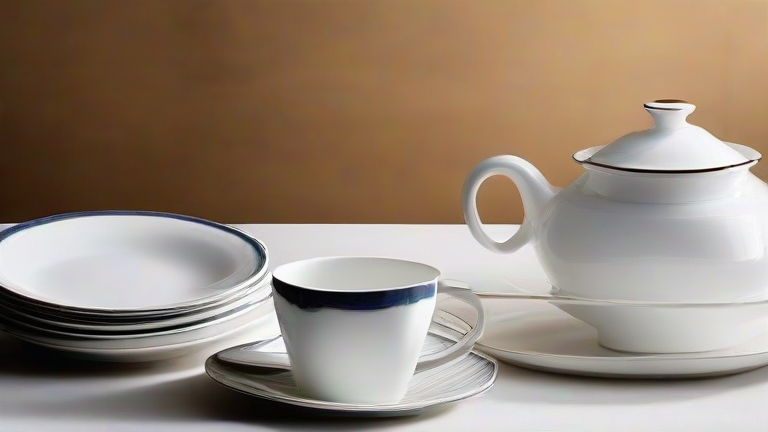
TL;DR: Yes, high-quality, properly glazed porcelain dinnerware is safe for everyday use, as it is non-porous, chip-resistant, and does not leach harmful chemicals when fired correctly. The main risks arise from cheap, low-fired, or hand-painted pieces that may contain lead or cadmium in the glaze, so choose certified, food-safe brands and avoid putting damaged items in the microwave.
What Makes Porcelain Different?
Porcelain is a type of ceramic fired at extremely high temperatures (1,200–1,400°C), which vitrifies the clay and glaze into a glass-like, non-porous surface. Unlike earthenware or stoneware, porcelain does not absorb water, bacteria, or odors. This structural density is the primary reason it is considered one of the safest dinnerware materials for daily meals. The glaze, when fully fused, acts as a physical barrier between your food and the clay body, preventing any metallic or mineral migration.
If you want to dig deeper, check out our guide on Why You Need a High-Quality Ergonomic Office Chair.
Health Benefits of Using Porcelain
First, porcelain is inert. Because it is non-reactive, it won’t alter the taste or pH of acidic foods like tomato sauce, citrus, or vinegar-based dressings. Second, it is hygienic. The smooth, non-porous surface is easy to clean thoroughly, reducing the risk of bacterial buildup that can occur in small cracks of lower-quality ceramics. Third, porcelain is highly durable—it resists scratching and chipping, which means fewer tiny fragments ending up in your food. Finally, unlike plastic or melamine, porcelain does not contain BPA, phthalates, or other endocrine disruptors, making it a safer choice for hot foods and microwave reheating.
Potential Risks: Lead & Cadmium
The primary safety concern with porcelain is not the material itself but the decorative glazes and paints used in some products. Lead and cadmium are sometimes added to bright-colored glazes (especially red, orange, yellow, or metallic finishes) to achieve vibrant hues. In properly fired industrial porcelain, these heavy metals are locked into the glass matrix. However, in low-cost imports or artisan pieces fired at lower temperatures, the glaze can degrade over time, especially when exposed to acidic foods, dishwashers, or microwaves. This can cause lead or cadmium to leach into your meal. A 2022 study by the FDA found that some imported ceramic dinnerware exceeded safe lead limits by 100-fold. Always check for a “lead-free” or “cadmium-free” label, and avoid hand-painted patterns on the inner eating surface.
Lifestyle Tips for Safe Use
Buy from reputable brands that comply with FDA or EU (CE) safety standards. Look for a stamp or certificate on the bottom. Do not use vintage porcelain for daily meals—pre-1970s pieces often contain lead-based glazes. Avoid putting cracked, crazed (fine surface cracks), or heavily scratched plates in the microwave or dishwasher; these imperfections expose the clay body to leaching. Instead, hand-wash delicate pieces with mild soap. For hot beverages, use porcelain mugs without metallic rims or gold leaf accents, as these can break down and release trace metals. If you’re unsure, perform a simple home test: soak a piece in lemon juice for 24 hours, then send the liquid to a certified lab for lead testing (costs ~$30).
Bottom Line for Your Kitchen
Porcelain remains one of the safest, most sustainable dinnerware choices—superior to plastic, melamine, and even some glass composites. The key is to prioritize quality over price. Opt for plain white or underglaze-decorated porcelain from established manufacturers (e.g., Noritake, Villeroy & Boch, or Japanese brands like Nikko). Replace any piece that shows signs of wear. With these precautions, you can enjoy the elegance and safety of porcelain for decades.
FAQ
Q: Can I microwave porcelain dinnerware safely?
A: Yes, but only if the piece is labeled “microwave-safe.” High-quality porcelain without metallic rims or decorative gold/silver accents
Leave a Reply