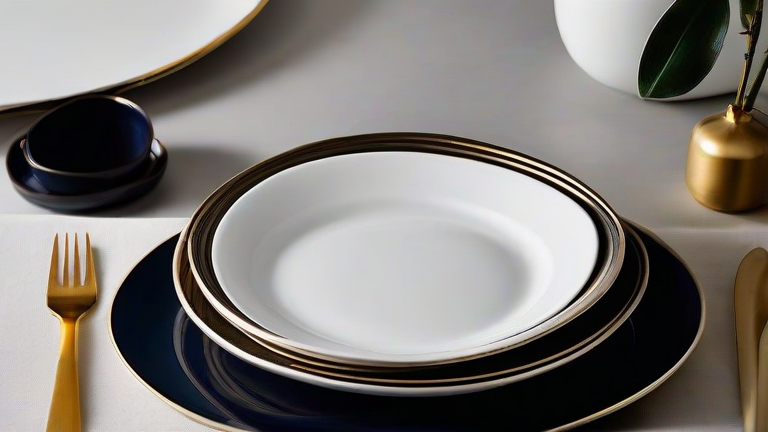
TL;DR: Elevate your dining experience by curating a cohesive porcelain collection that balances timeless elegance with modern functionality. Use high-quality porcelain to create visual interest through color coordination, layering textures, and incorporating unique shapes that reflect your personal style.
The Timeless Appeal of Porcelain
In the realm of home dining, few materials command respect quite like porcelain. Known for its durability, translucency, and ability to retain heat, porcelain is not merely a vessel for food; it is a canvas for culinary artistry. Unlike stoneware or earthenware, porcelain offers a sleek, refined aesthetic that can transform a simple meal into a memorable occasion. Whether you are hosting an intimate dinner party or enjoying a quiet breakfast in bed, the right dinnerware sets the tone for the entire experience. By focusing on quality over quantity and selecting pieces that resonate with your personal aesthetic, you can create a table setting that feels both luxurious and inviting. The key to mastering this art lies in understanding how different elements of porcelain interact with light, color, and food presentation.
If you want to dig deeper, check out our guide on Is Porcelain Dinnerware Safe? Health Benefits & Risks.
Curating a Cohesive Palette
The first step in elevating your table is to establish a color palette that complements your interior design and the mood of the meal. Neutral tones such as ivory, crisp white, and soft gray serve as versatile foundations, allowing the colors of the food to take center stage. However, do not shy away from bold hues. A deep cobalt blue or a vibrant terracotta can inject energy and personality into your setting. When selecting your pieces, consider the undertones of the porcelain. A true white plate pairs beautifully with silver cutlery, while a warm ivory tone might harmonize better with gold or brass accents. Consistency is crucial; aim for a collection where the base plates, side plates, and bowls share a similar glaze finish and rim style. This cohesion creates a visual rhythm that is pleasing to the eye and makes the table feel intentional rather than cluttered.
Mixing Textures and Shapes
While consistency in color is important, variation in shape and texture adds depth and interest to your table setting. Avoid the monotony of perfectly round plates by incorporating oval serving dishes or square bowls. Porcelain allows for intricate detailing, such as raised rims, fluted edges, or matte finishes that contrast with glossy surfaces. Layering these different textures creates a tactile experience that engages the senses. For example, pairing a smooth, glossy soup bowl with a matte-finished bread plate can add a sophisticated contrast. Additionally, consider using smaller, individual plates for appetizers or desserts to create a tiered effect. This approach not only maximizes vertical space but also adds a sense of abundance and care to the presentation. The interplay between different shapes encourages diners to engage more deeply with the meal, making each course a distinct visual event.
Intentional Plating Techniques
Porcelain’s smooth surface provides an ideal backdrop for creative plating. The purity of white porcelain highlights the natural colors of fresh ingredients, making salads and roasted vegetables pop. For more complex dishes, use the rim of the plate as a boundary to frame the food, leaving negative space to breathe. Negative space is a powerful tool in visual design; it prevents the plate from looking crowded and allows the diner to appreciate the composition. You can also use the weight and presence of heavy porcelain bowls to anchor the table setting. Place them strategically to balance the visual weight of lighter items like wine glasses or delicate serving spoons. Remember, the goal is to let the food speak, but to do so within a framework that enhances its beauty and appeal.
Seasonal Rotations
One of the most enjoyable aspects of a curated porcelain collection is the ability to rotate pieces according to the seasons or special occasions. Lighter, pastel-toned pieces might be perfect for spring brunches, while darker, richer tones could be reserved for winter holiday feasts. This practice keeps your table setting fresh and exciting, preventing the fatigue that comes from using the same set every day. It also allows you to experiment with different combinations without the pressure of perfection. Over time, you will develop an intuition for which pieces work best
Leave a Reply