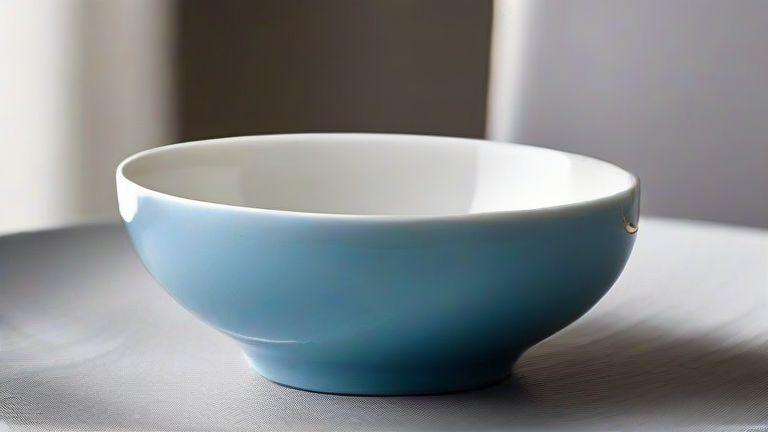
TL;DR: Porcelain dinnerware is safer than other ceramics because it is fired at extremely high temperatures, making it non-porous and resistant to bacterial growth. It is also free from lead and cadmium, ensuring no toxic heavy metals leach into your food during use.
The Science of Safety
When considering your kitchenware, material safety is paramount. Porcelain is not just a type of ceramic; it is a refined, high-end product created from kaolin clay, feldspar, and quartz, fired at temperatures exceeding 1,200 degrees Celsius. This intense heat vitrifies the material, meaning it becomes glass-like and non-porous. Unlike lower-quality earthenware or stoneware, which can retain microscopic pores, porcelain does not absorb liquids, odors, or stains. This non-porous nature is a critical health benefit because it prevents bacteria, mold, and food particles from becoming trapped within the plate’s surface. Consequently, porcelain is inherently more hygienic and easier to clean thoroughly, reducing the risk of cross-contamination and foodborne illnesses.
If you want to dig deeper, check out our guide on Trend Alert: The Return of Hand-Painted Porcelain Dinnerware.
Freedom from Toxic Metals
One of the most significant health concerns regarding ceramic dinnerware is the potential leaching of heavy metals, specifically lead and cadmium. These toxins are often found in the glazes of cheaper, imported ceramics. Lead exposure, even in small amounts over time, can lead to serious neurological issues, particularly in children and pregnant women. High-quality porcelain, however, is manufactured using lead-free glazes and strict quality control measures. Because the base material is so dense and the firing process is so rigorous, the glaze bonds permanently to the body of the dish. This creates a stable, inert surface that does not react with acidic foods like tomato sauce or citrus fruits. Choosing certified lead-free porcelain ensures that your meals remain chemically pure and safe for your entire family.
Lifestyle and Maintenance Tips
Investing in porcelain dinnerware is a long-term commitment to both style and health. To maintain its integrity, avoid extreme thermal shocks, such as placing a hot dish directly in cold water, which can cause cracking. While most modern porcelain is dishwasher safe, hand washing with mild soap is recommended for antique or hand-painted pieces to preserve the glaze. Inspect your dishes regularly for chips or cracks; if the glaze is damaged, the underlying clay may become exposed, potentially compromising the barrier against contaminants. By selecting durable, high-fired porcelain, you are choosing a sustainable option that lasts for generations, reducing waste and providing a safe, elegant dining experience.
FAQ
Q: Is porcelain safe for microwaving?
A: Yes, pure porcelain is generally microwave safe because it does not contain metallic components that spark. However, always check for manufacturer guidelines, especially if the item has decorative metallic accents.
Q: Can I use porcelain with acidic foods?
A: Yes, high-quality porcelain is chemically inert and will not react with acidic ingredients. This makes it ideal for serving tomatoes, wine, or lemon-based dishes without fear of chemical leaching.
Q: How do I verify if my porcelain is lead-free?
A: Look for certifications from recognized testing bodies or purchase from reputable brands that explicitly state their products are lead-free and compliant with FDA or EU safety standards.
Leave a Reply