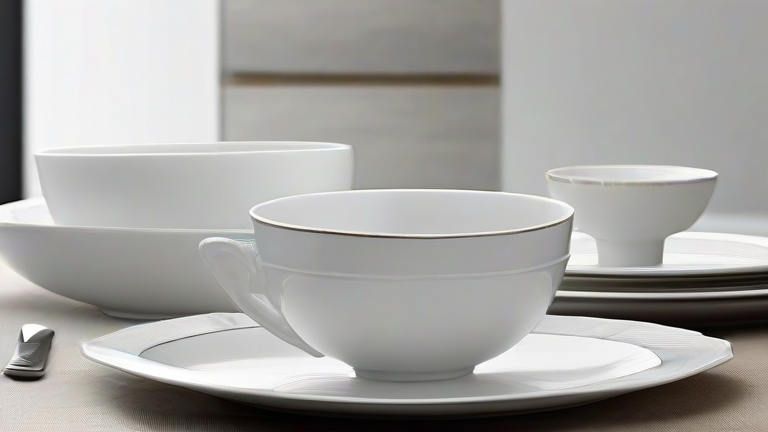
Porcelain Dinnerware Tutorial: How to Choose, Style & Care
TL;DR: Select durable, high-fired porcelain sets with neutral colors to ensure longevity and versatility. Care for your collection by avoiding thermal shock, using soft sponges, and hand-washing intricate pieces to preserve their pristine finish.
Step 1: Understanding Quality and Selection
When shopping for porcelain dinnerware, prioritize “fine china” or “hard-paste” porcelain over standard stoneware or earthenware. True porcelain is made from kaolin clay and fired at extremely high temperatures, resulting in a material that is thinner, lighter, and more translucent. To test quality, hold a plate up to the light; genuine high-quality porcelain will show a faint glow through the rim. Look for pieces that feel cool and smooth to the touch, indicating a dense, non-porous structure. Avoid sets with visible glaze crazing, which is a network of tiny cracks that can trap bacteria and food stains over time. Consider the weight as well; while porcelain is light, it should still have a substantial heft that conveys elegance without being cumbersome. Ensure the set includes all necessary pieces, such as dinner plates, salad plates, soup bowls, and side plates, to accommodate various meal types.
If you want to dig deeper, check out our guide on Why the Dyson V15 Detect Is the Best Cordless Vacuum.
Step 2: Styling Your Table Setting
Porcelain’s inherent elegance allows for both formal and casual styling. For a classic look, stick to solid white plates, which serve as a perfect canvas for colorful food presentations. If you prefer a contemporary aesthetic, opt for plates with subtle geometric patterns or modern rim colors like charcoal or navy. When setting the table, ensure there is adequate space between plates and glasses to avoid clutter. Use porcelain side plates for bread or appetizers to maintain visual harmony. Pair your porcelain with table linens that complement the plate color; white linens work universally, while bold fabrics can add personality to minimalist white sets. Remember that the translucency of fine porcelain catches light beautifully, so consider placing candles or ambient lighting on the table to enhance the reflective quality of the dinnerware during evening meals.
Step 3: Proper Care and Maintenance
Caring for porcelain requires attention to temperature changes and cleaning methods. Although most modern porcelain is dishwasher safe, hand washing is recommended for pieces with gold or silver rims, as harsh detergents can erode the metallic accents. Use a mild, non-abrasive detergent and a soft sponge or cloth to prevent scratching the glaze. Avoid exposing cold porcelain to hot liquids or placing hot plates on cold surfaces, as this thermal shock can cause cracking. If a chip occurs, address it immediately to prevent further damage. Store plates vertically in a cabinet with dividers to prevent them from leaning on one another, which can cause edges to chip over time. Regularly inspect your set for any signs of wear, and consider re-glazing minor chips if professional repair services are available in your area.
FAQ
Q: Is porcelain breakable?
A: While porcelain is more durable than stoneware, it is still a ceramic material and can shatter if dropped on a hard surface. Handle with care and use protective mats in cabinets.
Q: Can I microwave porcelain plates?
A: Yes, plain porcelain plates are generally microwave-safe. However, avoid using any pieces with metallic accents or gold rims, as these can cause sparking and damage both the plate and the microwave.
Q: How do I remove tough stains from porcelain?
A: For tea or coffee stains, soak the plate in a mixture of hot water and baking soda for several hours. For persistent marks, a paste of baking soda and water can be gently rubbed on the surface before rinsing thoroughly.
Leave a Reply