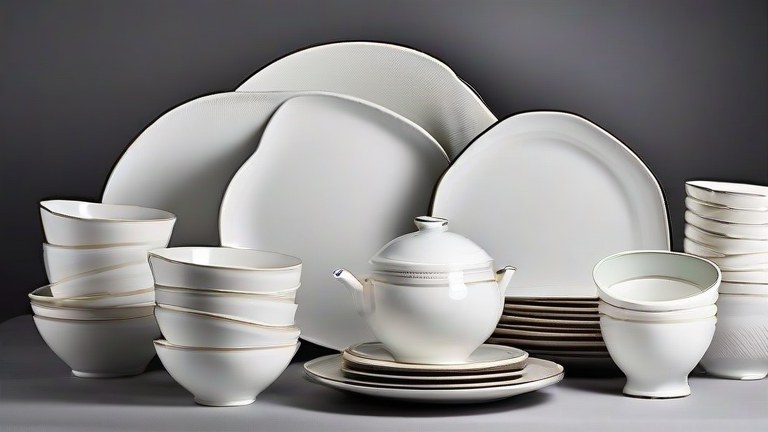
Porcelain Dinnerware Tutorial: Cleaning & Caring
TL;DR: Wash porcelain dinnerware by hand with warm water and mild detergent to preserve its glossy finish and prevent hairline cracks. Store pieces vertically or use felt dividers to prevent chipping, and avoid sudden temperature changes to ensure longevity.
Porcelain is a premium ceramic material known for its durability, elegance, and ability to retain color. However, its high density and vitrified surface require specific care to maintain its pristine appearance over time. Unlike stoneware or earthenware, porcelain is less porous, which makes it resistant to stains but susceptible to thermal shock if handled incorrectly. This guide provides essential steps to keep your collection looking new for decades.
If you want to dig deeper, check out our guide on Trending Porcelain Dinnerware Styles to Elevate Your Table.
Step-by-Step Cleaning Instructions
Begin by sorting your porcelain items. Separate heavily soiled pieces from lightly used ones. Rinse all plates and bowls under lukewarm running water to remove loose food particles. Avoid using hot water immediately after cooking, as the thermal shock can cause micro-fractures in the glaze. Use a soft sponge or a clean, non-abrasive cloth rather than steel wool or harsh scrubbers that can dull the surface.
Apply a small amount of mild, pH-neutral dish soap to the sponge. Gently wash each piece, paying close attention to the rims and bases where grime often accumulates. For stubborn stains, such as tea or coffee, create a paste of baking soda and water. Apply this paste to the affected area and let it sit for fifteen minutes before gently buffing it away with a damp cloth. Never use chlorine bleach or abrasive powders, as these can degrade the glaze and cause discoloration.
Rinse thoroughly to ensure no soap residue remains, which can cloud the clarity of clear or semi-opaque porcelain. Dry each piece immediately with a soft, lint-free microfiber towel. Air drying can sometimes lead to water spots, especially if your tap water is hard. If water spots do appear, a quick wipe with a diluted vinegar solution will restore the shine safely.
Essential Care Tips
While many modern porcelain pieces are labeled dishwasher safe, hand washing is always recommended for long-term preservation. Dishwasher detergents are highly alkaline and can etch the glaze over time. If you must use a dishwasher, place items securely on the top rack to minimize the risk of collision with other utensils. Avoid placing porcelain directly on a hot stove or in a microwave while it is still cold from the refrigerator, as rapid temperature shifts are the primary cause of breakage.
Storage is crucial for preventing accidental damage. Stack plates with felt or paper dividers between them to protect the rims. Alternatively, store items vertically in a drawer or cabinet with dividers. This method prevents the weight of stacked plates from creating pressure points that can lead to hairline cracks. Inspect your collection regularly for small chips or cracks. If you find any, use a food-safe ceramic repair adhesive to stabilize the damage before it worsens. By following these careful routines, you ensure that your porcelain dinnerware remains a beautiful and functional part of your dining experience for generations.
FAQ
Q: Can I put porcelain in the dishwasher?
A: It is generally safe if labeled as such, but hand washing is preferred to prevent glaze degradation and ensure maximum longevity.
Q: How do I remove tough tea stains from porcelain?
A: Create a paste using baking soda and water, apply it to the stain, let it sit for fifteen minutes, and then gently wipe it away with a damp cloth.
Q: What is the best way to store porcelain plates?
A: Store plates vertically with dividers or stack them horizontally with felt or paper sheets between each plate to prevent chipping.
Leave a Reply