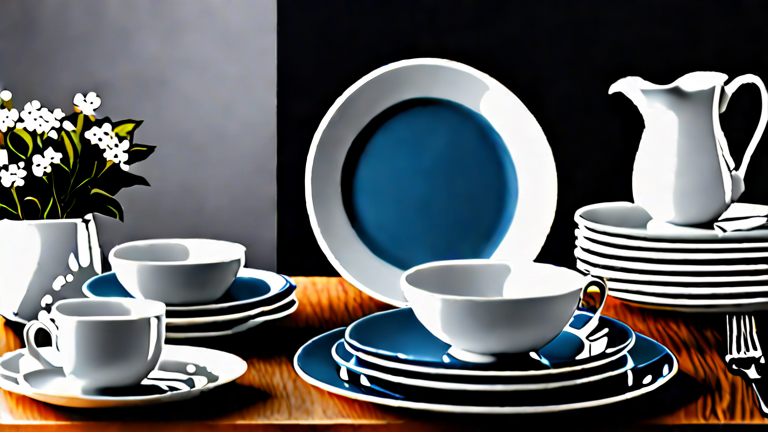
Porcelain Dinnerware Care: The Complete Tutorial
TL;DR: To maintain the pristine beauty and structural integrity of your porcelain dinnerware, always hand wash items with chipped edges or decorative gold rims using mild soap and lukewarm water. For everyday use, high-quality porcelain is generally safe for dishwasher cleaning, but stacking should be minimized to prevent micro-scratches and dulling the glossy finish over time.
Understanding Porcelain Durability
Porcelain is one of the most durable types of ceramic, known for its vitreous, non-porous surface. Unlike stoneware or earthenware, it does not absorb water or stains easily, which makes it highly resistant to odor retention. However, its hardness is not invulnerable. The glaze, while tough, can scratch if exposed to abrasive materials. Understanding this balance allows you to enjoy the elegance of porcelain without the constant anxiety of breakage.
If you want to dig deeper, check out our guide on The Rise of Quiet Luxury: Why Understated Bags Are Outsellin.
Step-by-Step Washing Instructions
When washing porcelain, the method depends on the specific characteristics of the piece. First, inspect the item for any existing chips or cracks. If you find damage, hand washing is mandatory. Dishwasher detergents are often harsh and can cause small chips to spread or create stress fractures. Fill a basin with lukewarm water and a few drops of gentle dish soap. Avoid hot water, as thermal shock can weaken the structure of already compromised porcelain. Use a soft sponge or cloth to gently clean the surface. Rinse thoroughly to remove all soap residue, which can cloud the glaze if left to dry.
For items without damage, the dishwasher is a convenient option. Place plates in the top rack to reduce the risk of impact from heavier pots and pans in the lower rack. Ensure they are not touching each other tightly. Use a gentle cycle and avoid high-heat drying settings, which can sometimes cause hairline cracks in sensitive pieces. If your porcelain features gold or platinum accents, hand washing is strictly required. Metal accents are not heat or chemical resistant and will tarnish or flake off in a dishwasher environment.
Drying and Storage Tips
After washing, air dry your porcelain on a rack or a clean, soft towel. Do not stack wet plates immediately, as moisture trapped between surfaces can lead to clouding or mineral deposits. When storing, use felt dividers or paper towels between plates to protect the glaze. Store them in a dedicated cupboard section rather than mixing with cutlery or heavy pots. Proper storage prevents accidental knocks and maintains the luster of your collection.
Handling Stains and Scratches
While porcelain resists stains, tough residues like turmeric or coffee can sometimes leave marks if not cleaned promptly. For stubborn stains, create a paste of baking soda and water, apply it to the area, and gently rub with a soft cloth. Avoid steel wool or abrasive scrubbers, as these will permanently scratch the surface. Light scratches can often be buffed out by applying a small amount of baking soda to a damp cloth and rubbing in circular motions, though deep scratches may remain visible.
FAQ
Q: Is porcelain safe for microwave use?
A: Yes, most modern porcelain is microwave safe, but avoid using pieces with metallic accents, as they can cause sparking. Always check the manufacturer’s guidelines for specific products.
Q: Can I use abrasive cleaners on porcelain?
A: No, abrasive cleaners and scrubbers will scratch the glaze, making the surface dull and more susceptible to staining. Use only soft cloths and mild detergents.
Q: How do I prevent chips from spreading?
A: If you notice a chip, avoid using that item for serving hot foods or placing it in the dishwasher. Hand wash gently and consider having the piece professionally repaired to prevent further damage.
Leave a Reply