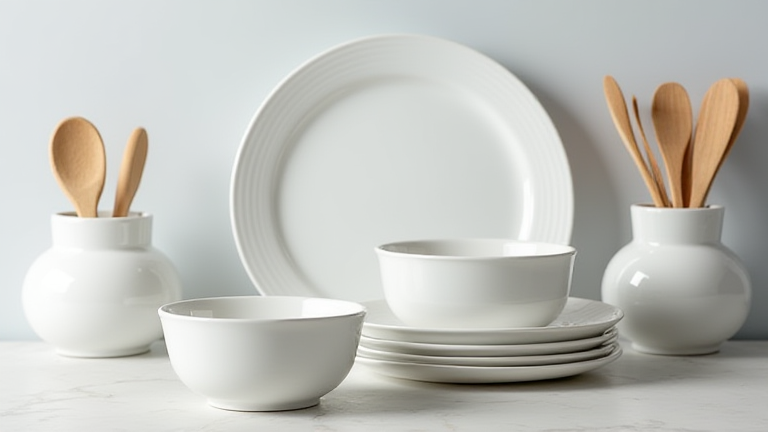
TL;DR: High-quality porcelain dinnerware is chemically inert and non-toxic, making it a safe choice for daily use that does not leach harmful substances into food. Its lead-free glaze and durable structure ensure long-term health safety for you and your family.
The Science of Safe Tableware
When considering the health implications of your daily dining habits, the material of your plates and bowls plays a critical role. Unlike some cheaper ceramics or glazed earthenware that may contain unstable lead or cadmium compounds, genuine porcelain is crafted from kaolin clay, feldspar, and quartz. These raw materials are fired at extremely high temperatures, typically exceeding 2,300 degrees Fahrenheit. This intense heat vitrifies the material, creating a glass-like surface that is non-porous and chemically stable. According to the Consumer Product Safety Commission (CPSC), lead-free porcelain is considered one of the safest options for food contact because it does not react with acidic foods, such as tomatoes or citrus fruits, which can sometimes cause leaching in lower-grade ceramics.
If you want to dig deeper, check out our guide on 10 Trending Nike Dunks to Cop Before They Sell Out.
Why Porcelain Outperforms Other Materials
One of the primary health benefits of porcelain is its lack of organic compounds. Plastic containers, even those labeled BPA-free, can harbor microscopic scratches where bacteria thrive, and they may release microplastics when heated. Glass, while chemically inert, is fragile and prone to shattering, posing a physical injury risk. Porcelain strikes a balance by offering the chemical safety of glass with superior durability. The glaze used on reputable porcelain is typically lead-free and cadmium-free. To ensure you are buying safe dinnerware, look for certifications from recognized bodies like the FDA or the California Proposition 65 standards. These regulations strictly limit the amount of heavy metals that can leach from ceramic products. If a piece of porcelain is labeled “dishwasher safe,” it usually indicates that the glaze is robust enough to withstand the high heat and harsh detergents of industrial and home dishwashers without degrading or releasing toxins.
Lifestyle Tips for Maintaining Health and Safety
To maximize the health benefits of your porcelain collection, follow these science-backed maintenance tips. First, always inspect your dishes for cracks or chips before use. While minor surface wear is common, deep cracks can trap food particles and bacteria, making them difficult to clean thoroughly. If a plate is severely chipped, it is best to retire it from the dining table and use it for decorative purposes only. Second, avoid sudden temperature shocks. Moving a hot dish from the oven directly into a cold dishwasher can cause thermal shock, leading to hairline fractures. Allow dishes to cool to room temperature before washing. Third, use non-abrasive sponges to clean your porcelain. Abrasive scrubbers can dull the glaze over time, potentially compromising its smooth, non-porous finish. By maintaining the integrity of the glaze, you ensure that the barrier between your food and the underlying clay remains intact.
Choosing the Right Porcelain for Your Household
Not all porcelain is created equal. “Soft-paste” porcelain, often used in fine china, is more delicate but still safe if properly glazed. “Hard-paste” porcelain is denser and more durable, making it ideal for high-traffic households with children. When shopping, prioritize brands that explicitly state their products are “lead-free” and “food safe.” Avoid purchasing unbranded or imported ceramics from unknown sources, as quality control standards may not be consistent. Investing in high-quality porcelain is an investment in your long-term health. It provides a beautiful, functional, and safe platform for your meals, free from the anxiety of chemical exposure. By choosing safe materials and maintaining them properly, you contribute to a healthier lifestyle that extends from the kitchen to the dining table.
FAQ
Q: Is all porcelain safe for microwaving?
A: Yes, high-quality porcelain is generally microwave-safe because it is non-metallic and does not contain reactive compounds, but always check the manufacturer’s guidelines for specific heat resistance limits.
Q: Can I use porcelain if I have
Leave a Reply