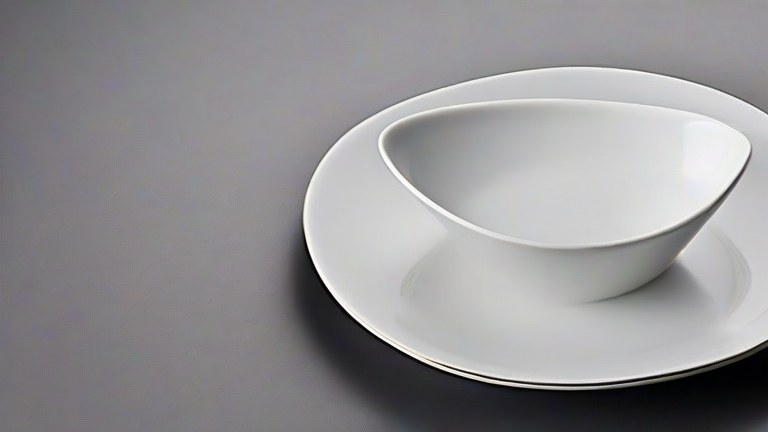
TL;DR: Porcelain dinnerware elevates your dining experience by combining timeless elegance with practical durability, making it a cornerstone of modern lifestyle aesthetics. It transforms everyday meals into mindful rituals, bridging the gap between functional utility and artistic expression in your home.
The Shift to Mindful Dining
In an era dominated by digital distractions and fast-paced living, the act of eating has become more than just fueling the body; it is a critical moment of connection and presence. Modern lifestyle trends increasingly favor quality over quantity, and nowhere is this more evident than in the curated selection of tableware. Porcelain, with its history spanning centuries, has evolved from a luxury commodity into an accessible staple for those seeking to refine their domestic environments. It is not merely about serving food; it is about setting the stage for a more deliberate and aesthetically pleasing existence.
If you want to dig deeper, check out our guide on Porcelain Dinnerware Care: Complete Cleaning & Maintenance T.
Five Ways Porcelain Defines Modern Living
First, porcelain offers unparalleled visual clarity. The translucency of high-quality porcelain plates allows light to pass through the rim, creating a subtle, luminous effect that brightens the table setting. This natural glow complements modern minimalist interiors, adding a layer of sophistication without overwhelming the space. Unlike ceramic or stoneware, which can appear heavy or opaque, porcelain feels light and airy, aligning perfectly with the clean lines of contemporary design.
Second, the material’s durability supports a sustainable lifestyle. Modern manufacturing techniques have made porcelain incredibly resistant to chipping and staining. This longevity means that a single set of high-end plates can last for decades, reducing waste and the environmental impact of frequent replacements. Owning durable porcelain is an investment in long-term value, encouraging consumers to buy less and keep things longer, a core tenet of the slow living movement.
Third, porcelain enhances the sensory experience of food. The smooth, non-porous surface of porcelain does not retain odors or flavors, ensuring that the taste of your dish remains pure. This neutrality allows the food to be the star, which is crucial for those who enjoy cooking elaborate meals or exploring diverse culinary cultures. It is the ideal canvas for both subtle home-cooked dishes and complex gourmet creations.
Fourth, the versatility of porcelain design caters to personal expression. From bold, artistic patterns to understated monochromatic sets, porcelain allows individuals to curate a table that reflects their unique personality. This customization extends to mixing and matching pieces, a popular trend in modern dining that encourages creativity and breaks the rigid rules of formal table settings. It turns the table into a dynamic space where aesthetics are constantly evolving.
Fifth, porcelain fosters social connection. In a world where virtual interactions are common, the physical act of gathering around a beautifully set table encourages deeper conversation and intimacy. The presence of fine dinnerware signals that a meal is a special occasion, worthy of attention and appreciation. It creates a psychological barrier against rushing, inviting guests to slow down, savor their food, and engage meaningfully with one another.
FAQ
Q: Is porcelain safe for microwave and dishwasher use?
A: Most modern porcelain dinnerware is both microwave and dishwasher safe, but you should always check the manufacturer’s specific guidelines to ensure your particular set is rated for these appliances.
Q: What is the main difference between porcelain and ceramic?
A: Porcelain is a type of ceramic that is fired at much higher temperatures, making it denser, more durable, and often translucent, whereas standard ceramics are generally heavier and more opaque.
Q: How should I store porcelain plates to prevent chipping?
A: You should store porcelain plates vertically in a cabinet with dividers or use plate guards between each piece to prevent them from rubbing against one another during storage.
Leave a Reply