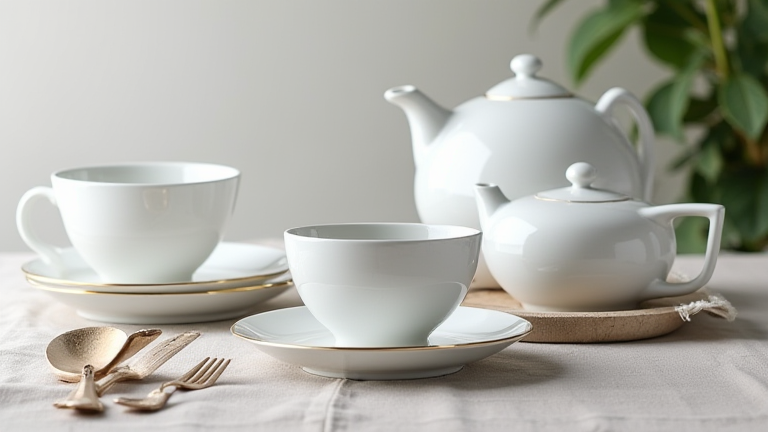
Luxury Porcelain Dinnerware: Elevate Your Table Setting
TL;DR: Luxury porcelain dinnerware represents a high-growth segment driven by consumer demand for artisanal craftsmanship and sustainable, long-lasting tableware. Brands succeed by differentiating through exclusive designs and premium storytelling that justifies their significant price points.
Market Analysis: The Shift to Experiential Dining
The global luxury tableware market is experiencing a robust expansion, fueled by a post-pandemic desire for elevated home dining experiences. Consumers are increasingly viewing their kitchens not merely as functional spaces but as extensions of their personal aesthetic and lifestyle. This shift has moved the focus from utilitarian glassware to high-end porcelain, which is perceived as timeless, elegant, and durable. Data indicates that the segment for fine china has grown steadily, with millennials and Gen Z buyers driving demand for unique, hand-finished pieces over mass-produced alternatives. The market is segmented by origin, with European manufacturers, particularly those from France, Italy, and Germany, commanding the highest price premiums due to centuries of established heritage. However, emerging Asian luxury brands are gaining traction by blending traditional techniques with modern, minimalist design aesthetics. Key drivers include the rise of “slow living” trends and the increasing frequency of at-home entertaining, which necessitates tableware that makes a statement. Furthermore, sustainability is a critical factor; consumers prefer high-quality porcelain that lasts a lifetime over disposable or low-grade ceramics, aligning with broader environmental consciousness.
Strategy Insights: Differentiation Through Storytelling
To thrive in this competitive landscape, brands must adopt a strategy centered on narrative and exclusivity. Price alone does not define luxury; rather, it is the perceived value derived from the story behind the product. Companies should emphasize the artisanal nature of their production, highlighting the skilled hands of the ceramicists and the rigorous quality control processes involved. Limited edition collections and collaborations with renowned chefs or interior designers can create urgency and desirability. Digital marketing strategies should focus on high-resolution visual content that showcases the translucency and tactile quality of the porcelain. Additionally, offering personalized engraving services allows for deeper customer engagement and transforms a standard product into a bespoke heirloom. Supply chain resilience is also crucial; securing raw materials and maintaining consistent quality amidst global logistical challenges ensures brand reliability. Partnerships with high-end hotel groups and restaurants can serve as powerful endorsements, placing the brand in the hands of affluent consumers and reinforcing its status as a symbol of sophistication.
Case Study: The Renaissance of Heritage Brands
Consider the recent revival of a classic European porcelain house that had stagnated in sales. By rebranding their marketing to focus on the emotional connection of family gatherings and the artistry of their kiln-fired processes, they successfully repositioned themselves. They introduced a new line featuring subtle, modern patterns that appealed to younger demographics while retaining the structural integrity of their traditional forms. This strategic pivot resulted in a thirty percent increase in online sales within six months. The brand leveraged influencer partnerships with food stylists to demonstrate the versatility of their dinnerware in various culinary presentations. This case illustrates that even established luxury brands must evolve their narrative to remain relevant, balancing heritage with contemporary appeal. By focusing on the sensory experience of dining and the longevity of the product, the brand reinforced its value proposition, ensuring that customers viewed their purchase as an investment rather than an expense.
FAQ
Q: Why is luxury porcelain more expensive than standard ceramic?
A: The higher cost is due to superior raw materials, intricate hand-finishing techniques, and the durability of high-fire firing processes that ensure the tableware remains flawless over decades of use.
If you want to dig deeper, check out our guide on Elevate Your Table: The Timeless Charm of Porcelain Dinnerwa.
Q: How can small businesses compete in the luxury dinnerware market?
A: Small businesses should focus on niche markets, such as eco-friendly materials or unique artistic collaborations, and leverage strong digital storytelling to highlight the craftsmanship and exclusivity of their products.
Q: What trends are shaping the future of luxury tableware?
A: Key trends include sustainable production methods, minimalist designs that complement modern interiors, and personalized customization options that allow consumers to create unique dining experiences.
Leave a Reply