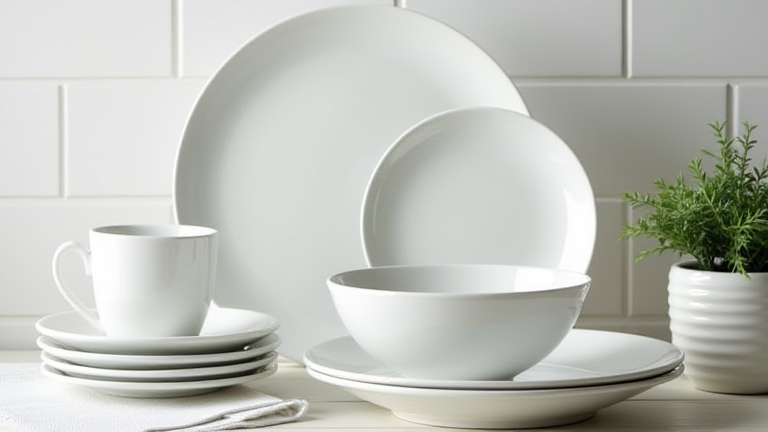
How to Care for Porcelain Dinnerware: The Ultimate Guide
TL;DR: Hand wash your porcelain with mild detergent and a soft sponge to prevent micro-scratches and preserve the glaze. Avoid thermal shock by not moving hot dishes into cold water or placing them directly on a hot stove.
Porcelain is prized for its elegance, durability, and translucence, but it requires specific maintenance to maintain its pristine appearance for decades. Unlike standard ceramic or stoneware, high-quality porcelain is fired at extremely high temperatures, making it vitreous and nearly non-porous. However, this does not mean it is indestructible. The glaze on the surface can be compromised by abrasive materials, and the body itself is susceptible to thermal shock. By adopting a consistent care routine, you can ensure your tableware remains as bright and intact as the day you purchased it.
If you want to dig deeper, check out our guide on Porcelain Dinnerware Tutorial: Care, Cleaning & Styling.
Washing Techniques
The most critical aspect of caring for porcelain is the washing method. While many modern porcelain pieces are labeled as dishwasher-safe, hand washing is always the superior choice for long-term preservation. Detergents in dishwashers are often highly alkaline and can slowly etch the glaze over time, causing it to lose its luster. When hand washing, use a mild, pH-neutral dish soap. Avoid bleach or harsh chemical cleaners, as these can damage the glaze and any decorative accents. Use a soft sponge or microfiber cloth; never use steel wool or abrasive scrubbers, which will create permanent scratches that trap food residue and bacteria.
Handling and Thermal Shock
Porcelain is sensitive to rapid temperature changes, known as thermal shock. If you take a plate directly from a hot oven and place it under cold running water, the differential in expansion can cause hairline cracks or even shattering. Always allow hot dishes to cool to room temperature before washing them. Similarly, do not place a cold plate directly onto a preheated stovetop or oven rack. If you must serve food hot, place a trivet or wooden board underneath the dish to insulate it from the hot surface.
Storage Best Practices
Proper storage prevents physical damage. While porcelain is hard, it is brittle. Stacking plates is acceptable, but you should separate them with soft felt pads or paper towels to prevent them from rubbing against each other. This friction can eventually wear down the rims. Keep your collection away from direct sunlight for prolonged periods, as UV rays can fade certain decorative pigments. Store your dinnerware in a dry place, as humidity can sometimes promote mold growth in any microscopic imperfections in the glaze.
Repairing Chips and Cracks
Small chips can sometimes be repaired with a porcelain repair kit, which typically includes a clear epoxy or a matching color filler. Apply a tiny amount to the chip and smooth it out. For cracks, if the piece is intact and the crack is minor, you can use a specialized ceramic glue. However, if the crack extends through the thickness of the plate, it is no longer safe for food use and should be repurposed for decorative use or disposed of.
FAQ
Q: Can I put porcelain in the dishwasher?
A: While many pieces are labeled dishwasher-safe, hand washing is recommended to preserve the glaze and prevent fading from high heat and harsh detergents.
Q: How do I remove stubborn stains from porcelain?
A: Soak the item in warm soapy water for an hour, then gently scrub with a soft sponge; for mineral deposits, use a diluted vinegar solution.
Q: Is it safe to use cracked porcelain for eating?
A: No, cracked porcelain can harbor bacteria in the fissures and may shatter under pressure, posing a safety risk to diners.
Leave a Reply