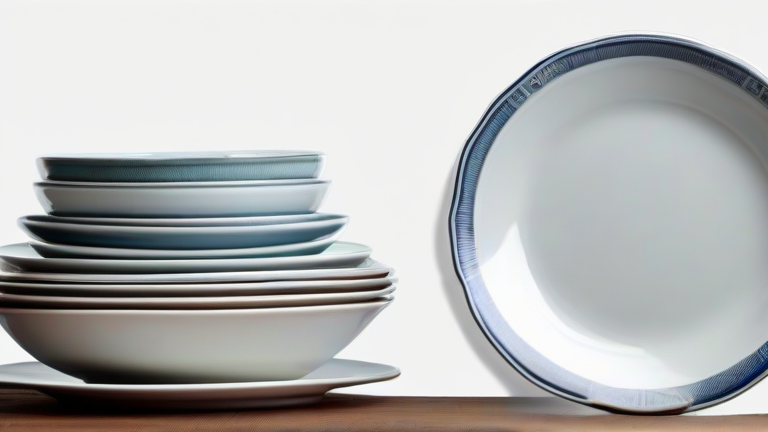
TL;DR: Yes, high-quality, properly glazed porcelain dinnerware is safe for everyday use, as it is non-porous, chip-resistant, and does not leach harmful chemicals when fired correctly. The real risk comes from low-cost, poorly fired or decorated pieces with metallic paints that may contain lead or cadmium.
The Science of Porcelain: What’s Actually in Your Plate?
Porcelain is a ceramic material fired at extremely high temperatures (1,200–1,400°C), which causes the clay to vitrify—essentially turning into a glass-like, non-porous surface. This vitrification is the key to its safety. Unlike earthenware or stoneware, a fully vitrified porcelain body absorbs less than 0.5% of water, meaning it does not harbor bacteria, mold, or food residue. From a health perspective, this inert surface is ideal for people with sensitivities, as it does not react with acidic foods like tomato sauce or citrus, unlike some metal or unglazed options.
If you want to dig deeper, check out our guide on Porcelain Dinnerware Care: A Complete Cleaning & Repair Tuto.
Myth Busting: Lead, Cadmium, and “Toxic Glazes”
The most persistent myth is that all porcelain contains lead. In modern, reputable manufacturing, the glaze is a feldspathic silica compound that, when fired correctly, becomes chemically bonded to the ceramic body. Independent lab tests (e.g., FDA Prop 65 compliance) show that food-safe porcelain leaches zero or undetectable levels of lead and cadmium. However, the danger lies in *decorative* overglaze—gold, platinum, or bright colored rims—that is applied *on top* of the glaze and fired at lower temperatures. These are the pieces that can leach metals over time, especially if you microwave them or put them in a dishwasher. The safe choice: buy from brands that explicitly state “lead-free” and “cadmium-free,” and avoid vintage or handmade pieces with metallic trim for daily use.
Lifestyle Tips for Maximum Safety & Longevity
To preserve your porcelain’s integrity, never use metal utensils on it—scratches can create micro-abrasions where bacteria could hide. Handwashing is gentler, but if you use a dishwasher, choose a gentle cycle and avoid harsh alkaline detergents that can erode the glaze over years. Also, avoid thermal shock: don’t place a cold plate directly into a hot oven. Most porcelain is microwave-safe, but skip it if the piece has metallic decoration. For everyday meals, opt for plain white or underglaze-decorated porcelain—these are the most inert and safe. Finally, if you inherit antique porcelain, do not use it for food; treat it as decorative art, as pre-1970s glazes often contain lead.
FAQ
Q: Can porcelain dinnerware leach chemicals into hot or acidic food?
A: Only if the piece is chipped, cracked, or has improperly fired decorative overglaze. A high-quality, fully vitrified porcelain with a food-safe glaze is chemically inert—even with boiling soup or lemon juice—and will not leach measurable amounts of lead, cadmium, or other toxins.
Q: Is it safe to use porcelain in the microwave and dishwasher daily?
A: Yes, for plain porcelain without metallic trim. Microwave-safe porcelain heats evenly without releasing chemicals. In the dishwasher, use a non-citrus, mild detergent and avoid “heated dry” cycles, as extreme heat over years can degrade the glaze. Handwashing is always safest for longevity.
Q: How do I know if my porcelain is truly food-safe?
A: Look for labels like “Lead-free,” “Cadmium-free,” or “Food Safe” on the packaging, and check for the California Prop 65 compliance statement. For imported pieces, verify the manufacturer follows FDA or EU ceramic directives (e.g., 84/500/EEC). A simple home test: rub a cotton swab with vinegar over a colored rim—if color transfers, do not use for food.
Leave a Reply