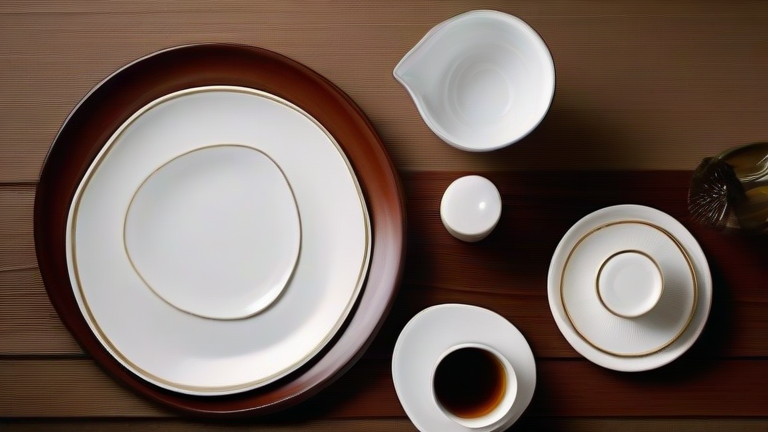
TL;DR: Porcelain dinnerware is durable but not indestructible—always hand-wash high-value pieces, avoid thermal shock, and use felt pads between stacked plates. Style it by mixing matte and glossy finishes, and clean with pH-neutral soap and a soft sponge to preserve the glaze.
Step 1: Understand Your Porcelain’s Limits
Porcelain is fired at high temperatures, making it denser than stoneware, but it can chip or crack if knocked against hard surfaces. Check the manufacturer’s label: “fine porcelain” often has a translucent rim, while “stoneware porcelain” is thicker. Never put cold porcelain directly into a hot oven—thermal shock is the #1 killer. Always preheat the oven before placing porcelain inside, and avoid moving it from fridge to microwave.
If you want to dig deeper, check out our guide on 7 Best Budget Wireless Earbuds for Daily Commutes.
Step 2: Daily Cleaning – The Gentle Way
Rinse plates and cups immediately after use to prevent staining from tea, coffee, or tomato sauce. Use a soft sponge or microfiber cloth with warm water and a drop of pH-neutral dish soap. Avoid abrasive scrubbers (steel wool, scouring pads) as they micro-scratch the glaze, making it dull over time. For stubborn residue, soak in warm water for 10 minutes—never use bleach or chlorine-based cleaners, which can erode the surface.
Step 3: Dishwasher Rules (If You Must)
Many modern porcelains are dishwasher-safe, but the “fine” ones are not. If you use a dishwasher, place plates vertically in the rack so they don’t knock together. Use the “gentle” or “china” cycle with a mild detergent—avoid citrus or high-alkaline pods. Remove pieces before the drying cycle (open the door and let them air-dry) to prevent heat stress and water spots. Hand-washing is always safer for hand-painted or metallic-trimmed items.
Step 4: Styling Your Table Like a Pro
Mix textures for depth: pair a glossy white dinner plate with a matte charcoal salad plate and a ribbed porcelain bowl. Use odd numbers—three plates, five bowls—for a curated look. Layer: place a charger (porcelain or wood) underneath, then a dinner plate, then a smaller appetizer plate. For casual meals, stack two contrasting colors; for formal dinners, keep all pieces in the same collection. Don’t overcrowd the table—leave 2 inches between each place setting.
Step 5: Proper Storage & Handling
Stack plates with a felt or paper liner between each one to prevent scratching and micro-chips. Cups and mugs should hang on hooks or sit separately—never stack them, as handles are fragile. Store heavy serving platters on the bottom of a cabinet, never on top of delicate teacups. When lifting, grip the base or rim with two hands—avoid squeezing the center, which can cause hairline cracks.
Step 6: Removing Stains & Scuffs
For tea or coffee stains, make a paste of baking soda and water, apply gently with a soft cloth, and rinse. For metal marks (from silverware), rub with a damp microfiber cloth and a tiny bit of non-gel toothpaste, then rinse. Never use lemon juice or vinegar—acids can dull the glaze. If a piece has a gold or platinum rim, only hand-wash and never scrub the metallic edge.
Step 7: Repairing Minor Chips
Small chips on the foot ring (bottom edge) are cosmetic—sand them lightly with fine-grit (400+) wet sandpaper to smooth the sharp edge. For visible rim chips, use a porcelain repair epoxy (food-safe after curing) and apply with a toothpick. If a piece cracks, stop using it immediately—cracks can harbor bacteria and worsen with heat. Retire broken pieces; they’re not safe for food service.
FAQ
Q: Can I microwave fine porcelain dinnerware?
A: Only
Leave a Reply