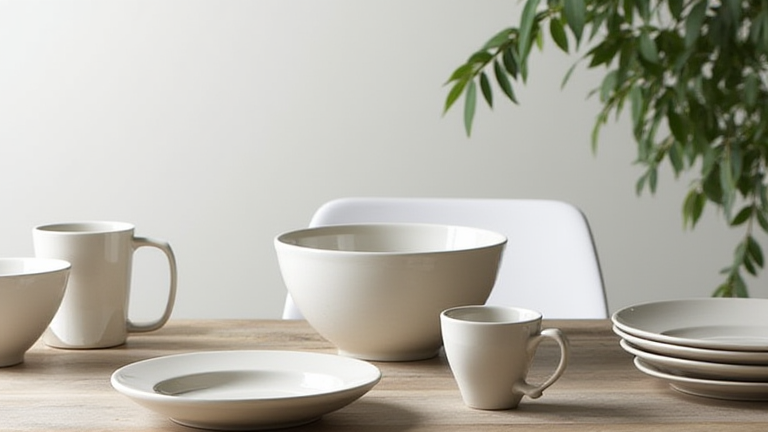
TL;DR: Modern porcelain dinnerware has moved beyond plain white, embracing organic textures, bold glaze gradients, and multi-cultural fusion shapes. To elevate your table, focus on tactile finishes, sculptural rims, and mix-and-match sets that reflect personal travel memories or culinary adventures.
1. The Wabi-Sabi Rim
Inspired by Japanese kintsugi and Korean moon jars, today’s porcelain features irregular, hand-pinched rims. These imperfect edges catch light differently, making each plate feel like a one-off artisan piece. Pair them with rustic linen napkins and low ceramic vases for a serene, travel-inspired tablescape.
If you want to dig deeper, check out our guide on 10 Best Camping Tents for Rainy Weather: Tested & Reviewed.
2. Reactive Glaze Gradients
Instead of flat color, designers now use reactive glazes that pool and shift from deep indigo to pale celadon within a single plate. This effect mimics ocean depths or desert sunsets—perfect for a globetrotting host who wants their dinnerware to evoke a specific place without saying a word.
3. Terrazzo and Speckled Clays
Porcelain is no longer purely pristine. Flecked clays with tiny dark or rust-colored inclusions add visual depth, echoing natural stone. These speckled surfaces hide utensil scratches better than glossy white, making them ideal for daily use while still feeling elevated for dinner parties.
4. Stackable Sculptural Coupes
Forget flat dinner plates. Coupe-style bowls with a gentle foot and curved walls stack beautifully and highlight sauces, grains, or braised meats. The sculptural profile turns a simple pasta night into a chef’s tasting menu moment, encouraging slower, more mindful eating.
5. Fusion Chopstick Rest Plates
Asian-inspired porcelain now includes integrated chopstick rests or shallow crescent grooves on the rim. These pieces bridge cultures—use them for dumplings, mezze, or tapas. They invite guests to graze and share, fostering a personal growth angle of openness to new dining rituals.
6. Matte Black and Charcoal Accents
Matte black porcelain with a subtle, unglazed foot provides dramatic contrast for colorful dishes—think saffron rice, roasted beets, or grilled fish. This trend borrows from Scandinavian minimalism and Mediterranean taverna style, proving that dark plates make food pop without stealing the show.
7. Modular Multi-Piece Sets
The new trend is a single set with plates, shallow bowls, and small lidded pots that all share a common glaze but vary in silhouette. This modular approach lets you mix courses freely—soup in a bowl, salad on a wide rim, dessert in a mini coupe—reducing clutter while expanding creative plating options.
FAQ
Q: How do I choose porcelain that won’t chip easily?
A: Look for high-fired porcelain (above 1,200°C) with a fully vitrified body; it is denser and more chip-resistant. Avoid thin, translucent bone china for daily use—opt for a medium thickness with a reinforced foot.
Q: Can I mix these trends with my existing white dinnerware?
A: Yes. Start with one reactive glaze charger or two speckled coupe bowls as accent pieces. Keep your neutral white plates as the base, then layer the trendy items as color and texture anchors at each place setting.
Q: Are these porcelain styles safe for microwave and dishwasher?
A: Most modern porcelain is microwave and dishwasher safe, but check for metallic or hand-painted gold accents—those are not microwave safe. Reactive glazes are usually fine, but hand-wash speckled matte pieces to preserve their matte finish.
Leave a Reply