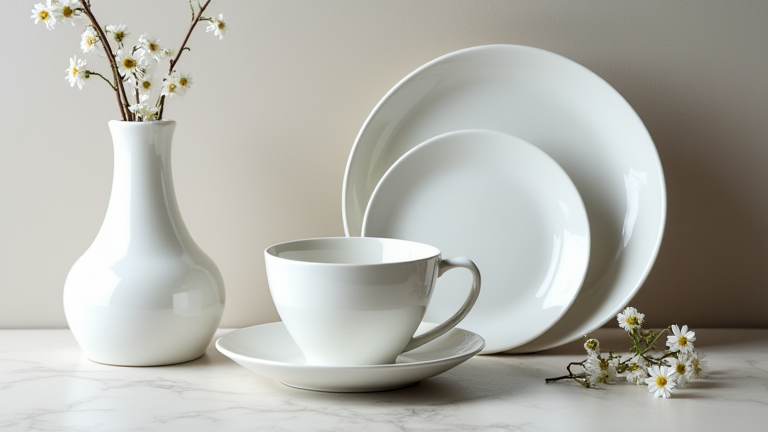
TL;DR: The global porcelain dinnerware market is experiencing robust growth driven by the premiumization of home dining and rising disposable incomes in emerging economies. Success in this sector requires a strategic focus on sustainable production methods and strong brand storytelling that highlights artisanal heritage and durability.
Market Analysis: The Premium Dining Shift
The porcelain dinnerware industry is currently navigating a complex landscape characterized by a distinct bifurcation between mass-market utility and high-end luxury. According to recent industry reports, the global market for fine china is projected to expand at a compound annual growth rate of 4.5% through 2030. This growth is not uniform, however. The entry-level segment faces intense price competition from low-cost manufacturers in Southeast Asia, squeezing margins for mid-tier brands. Conversely, the luxury segment is thriving, fueled by consumers who view tableware as a form of self-expression and home decor rather than mere functionality. Key drivers include the normalization of remote work, which has elevated the importance of home aesthetics, and a post-pandemic desire for quality-of-life enhancements. Furthermore, there is a noticeable shift toward “quiet luxury,” where consumers prefer understated elegance, neutral color palettes, and minimalist designs over ostentatious patterns. This trend benefits manufacturers who can demonstrate superior craftsmanship and material integrity, as buyers are increasingly willing to pay a premium for products that promise longevity and timeless design. Regional analysis shows that North America and Western Europe remain the largest revenue contributors, but Asia-Pacific is the fastest-growing region, driven by urbanization and a burgeoning middle class in China and India that is beginning to emulate Western dining customs.
If you want to dig deeper, check out our guide on Top 10 Porcelain Dinnerware Brands for Your Business.
Strategy Insights: Sustainability and Storytelling
To capitalize on these market dynamics, brands must adopt a dual-pronged strategy focusing on sustainability and narrative depth. First, environmental responsibility has moved from a nice-to-have to a mandatory credential. Consumers, particularly Millennials and Gen Z, scrutinize supply chains and manufacturing footprints. Companies that utilize eco-friendly glazes, reduce kiln energy consumption, and offer plastic-free packaging are gaining significant market share. Transparency is key; publishing detailed sustainability reports and obtaining certifications such as B Corp can differentiate a brand in a crowded marketplace. Second, storytelling is crucial for justifying premium pricing. In an era of digital abundance, physical objects must carry emotional weight. Brands are successfully leveraging the provenance of their clay, the skill of their artisans, and the historical significance of their designs to create an emotional connection with buyers. This approach transforms a simple plate into a heirloom, encouraging customers to view their purchase as an investment rather than an expense. Additionally, direct-to-consumer (D2C) channels are gaining traction, allowing brands to capture higher margins and build direct relationships with customers, providing valuable data for future product development. Collaborations with renowned interior designers or celebrity chefs can also amplify brand visibility and lend an air of exclusivity, further reinforcing the luxury positioning.
Case Studies: Success Stories
Consider the case of a mid-sized European porcelain manufacturer that pivoted its strategy to focus on limited-edition collections. By partnering with contemporary artists to create unique glaze patterns, they created a sense of scarcity and exclusivity. This strategy resulted in a 20% increase in average order value and a significant boost in social media engagement. Another example involves a North American brand that invested heavily in biodegradable packaging and transparent supply chain mapping. Their marketing campaign highlighted the journey of the clay from mine to table, resonating strongly with environmentally conscious consumers. This initiative not only improved their brand reputation but also reduced waste costs by 15%. Both cases illustrate that differentiation in the porcelain dinnerware market comes not from competing on price, but from competing on values, aesthetics, and trust. The brands that will dominate the next decade are those that can seamlessly blend traditional craftsmanship with modern ethical standards, creating products that are both beautiful and responsible. By focusing on these core pillars, companies can build resilient brands that withstand economic fluctuations and evolving consumer preferences, ensuring long-term profitability and relevance in the fine dining market.
FAQ
Q: What is the primary challenge for porcelain dinnerware brands today?
A: The main challenge is balancing the need for competitive pricing with
Leave a Reply