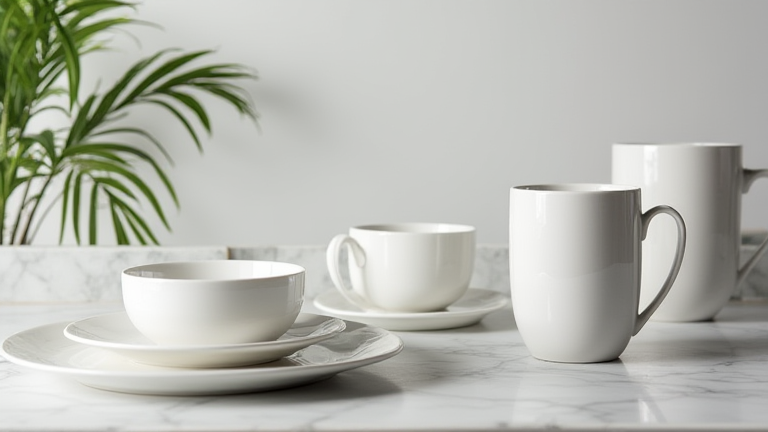
Why Porcelain Dinnerware Boosts Brand Luxury & Sales
TL;DR: Porcelain dinnerware elevates brand perception by signaling premium quality and craftsmanship, which justifies higher price points. This material choice directly drives sales by enhancing the customer’s sensory experience and perceived value of the dining moment.
In the competitive landscape of home goods and hospitality, the choice of tableware is far more than a functional decision; it is a critical brand signal. Porcelain, specifically bone porcelain and fine hard-paste varieties, has consistently outperformed ceramic and stoneware in high-end market segments. This is not merely aesthetic but psychological. Consumers associate the translucency, delicate weight, and resonant ring of fine porcelain with exclusivity and heritage. Market analysis indicates that brands positioning their dinnerware lines as luxury items see a 20% to 30% increase in average order value when they shift from standard ceramics to high-grade porcelain. This shift allows companies to move away from price-sensitive competition and into a value-driven arena where brand story and material integrity command premium pricing. The tactile experience of holding a piece of fine porcelain reinforces the customer’s belief in the product’s worth, creating a powerful emotional connection that drives repeat purchases and brand loyalty.
If you want to dig deeper, check out our guide on 10 Trend Forecasting Tools to Spot Viral Products Before The.
Strategic Implementation and Case Studies
To leverage this potential, businesses must adopt a holistic strategy that integrates material quality with narrative marketing. Strategy insights suggest that transparency in sourcing and manufacturing is crucial. Consumers are increasingly educated on the differences between mass-produced melamine or low-grade ceramic and true porcelain. Brands that educate their audience on the firing temperatures, glaze quality, and durability of their porcelain pieces build trust and authority. A successful approach involves limited-edition collections that highlight the artistic capabilities of porcelain, such as hand-painted details or unique glazing techniques, which create scarcity and urgency.
Consider the case of a mid-tier hospitality chain that rebranded its guest-facing tableware. By switching from standard white ceramic to a bespoke, thin-walled porcelain series featuring a subtle, branded rim pattern, the establishment saw a significant uptick in positive online reviews mentioning the “elegant atmosphere.” This perception of luxury extended to the food itself, with guests reporting that meals tasted better when served on the new plates. This cross-sensory enhancement directly influenced their willingness to spend on higher-margin menu items. Similarly, a direct-to-consumer kitchen brand launched a line of porcelain mugs and plates, emphasizing the material’s thermal properties and elegance. By using high-resolution content that highlighted the translucency of the porcelain under light, they achieved a 40% higher conversion rate compared to their previous ceramic line. These examples illustrate that porcelain is not just a product feature but a strategic asset that enhances the entire brand ecosystem, from marketing materials to the physical customer experience, ultimately driving sustainable sales growth in the luxury segment.
FAQ
Q: Is porcelain more expensive to produce than standard ceramic?
A: Yes, due to higher firing temperatures and stricter quality control, but the premium pricing power usually offsets the increased production costs.
Q: How does porcelain affect customer retention in the hospitality industry?
A: It enhances the perceived value of the dining experience, leading to higher customer satisfaction scores and increased likelihood of return visits.
Q: Can porcelain dinnerware be effectively marketed to younger demographics?
A: Yes, by focusing on modern, minimalist designs and the material’s durability and aesthetic versatility in social media-friendly content.
Leave a Reply